1. Sweet Tea Being the Default Beverage

In much of the South, ordering “tea” automatically means sweet tea unless you specify otherwise. It usually arrives cold, very sweet, and already mixed, not customizable at the table. This isn’t a restaurant quirk but a cultural baseline learned early. Unsweet tea exists, but it has to be requested clearly.
Visitors often expect hot or unsweetened tea and are startled by the sugar content. Southerners are equally baffled when sweet tea isn’t available elsewhere. The custom comes from historical access to ice and sugar in warm climates. It remains a strong regional marker that shows up everywhere from diners to fast-food chains.
2. Calling It “Pop” Instead of Soda
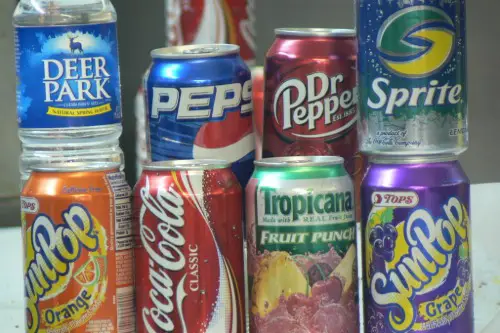
If you grow up in much of the Midwest, “pop” is the default word, not a quirky alternative. People will ask what kind of pop you want and genuinely look confused if you say “soda.” This isn’t about brand loyalty or age, but regional vocabulary passed down for generations. Linguists can map it pretty cleanly across states like Michigan, Ohio, and Minnesota.
The confusion happens when Midwesterners travel and order a pop in places where the word barely exists. Servers sometimes assume you’re talking about a generic term or even a joke. Locals don’t think they’re being folksy; they think they’re being precise. That disconnect is why this tiny word swap still trips people up.
3. Using “Y’all” for One Person or Ten
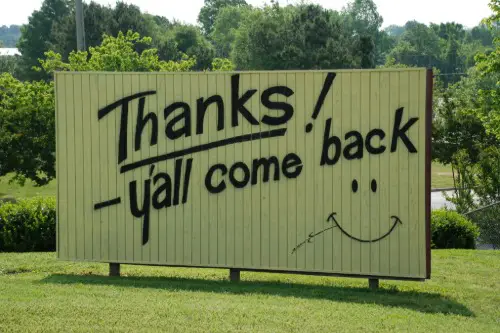
“Y’all” is both singular and plural in Southern American English. Someone might say it to one person at a checkout counter or to an entire room. This isn’t sloppy grammar within the region; it’s a fully functional second-person pronoun. Many speakers rely on it to avoid the ambiguity of “you.”
Outside the South, people often assume it only refers to groups. That leads to awkward moments where someone feels mistakenly included or excluded. Linguists note that “y’all” fills a gap that standard English never resolved. The confusion comes from outsiders hearing it through stereotypes instead of everyday usage.
4. Asking “What School Did You Go To?” Meaning High School
In places like St. Louis and parts of the Midwest, “What school did you go to?” almost always means high school. The question is shorthand for neighborhood, social circles, and even family background. It’s not about education level so much as local identity. People expect an immediate, specific answer.
Outsiders often respond with their college, which creates a brief but noticeable pause. Locals may then have to clarify, which feels awkward on both sides. The custom dates back to tight-knit city neighborhoods and parochial school systems. Even today, it acts as a subtle social shorthand.
5. Treating Chili as a Topping, Not a Soup
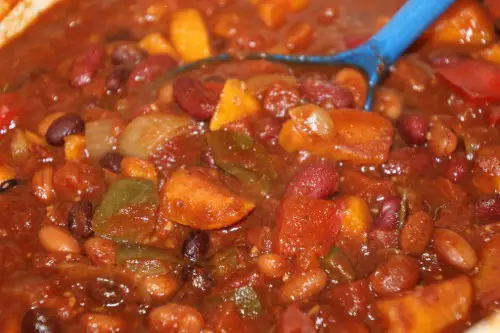
In Cincinnati, chili is rarely eaten on its own in a bowl. Instead, it’s poured over spaghetti or hot dogs and layered with cheese, onions, and beans in a specific order. This style has Greek immigrant roots and is very standardized locally. Ordering it any other way feels incomplete to residents.
Visitors are often confused by the sweetness and spice blend. They may not understand why spaghetti is involved at all. Locals, meanwhile, don’t think of it as odd because it’s how they grew up eating it. The regional loyalty to this format makes it especially puzzling to outsiders.
6. Taking Shoes Off Immediately in the House
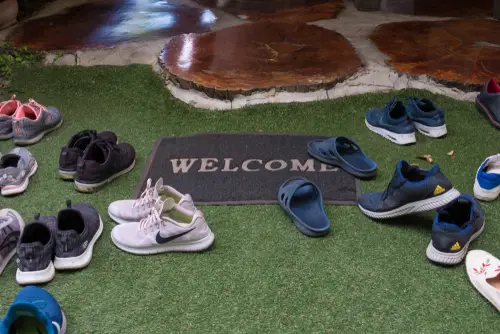
In many parts of the Upper Midwest and Pacific Northwest, removing shoes indoors is expected. This is especially true in places with snow, rain, or mud for much of the year. Leaving shoes on can feel rude or careless. The habit is learned early and rarely questioned.
Visitors from other regions may not realize they’re supposed to take shoes off. Hosts might not say anything, but they’ll notice. The practice is tied to climate as well as cultural influence from immigrant communities. That unspoken expectation can make first visits slightly uncomfortable.
7. Saying “The Freeway” With a “The”
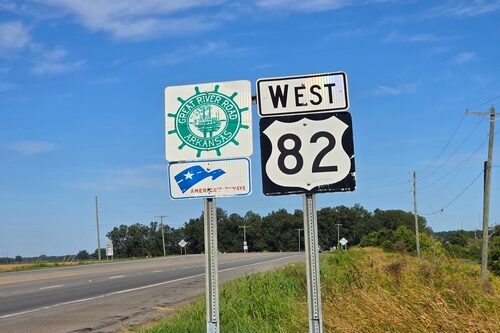
In Southern California, highways are almost always referred to with “the” in front of the number. People say “the 405” or “the 10” as part of everyday speech. This isn’t just casual phrasing but a consistent regional pattern. It even carries over into traffic reports and directions.
Elsewhere in the country, the article sounds unnecessary or strange. Visitors may notice it immediately and associate it with California culture. Locals don’t hear it as distinctive at all. The habit likely developed alongside early named freeways before numbers became dominant.
8. Measuring Distance in Time, Not Miles

In sprawling regions like Texas and the Mountain West, people often describe distance by how long it takes to drive. Someone might say a place is “about 45 minutes away” instead of giving mileage. This reflects daily experience with long drives. Time feels more relevant than exact distance.
Visitors may misjudge how far something really is. Traffic, speed limits, and road type all affect these estimates. Locals instinctively adjust for those factors. The custom can confuse people used to compact cities or public transit.
9. Treating Football as a Community Event
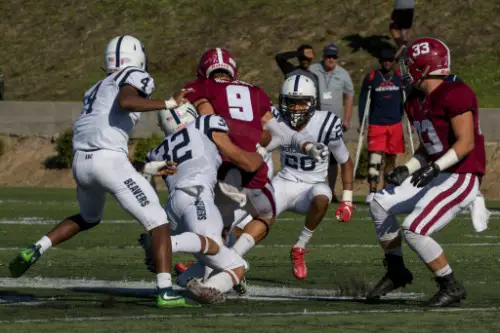
In much of the South and Midwest, high school football games are major social gatherings. Entire towns turn out on Friday nights regardless of whether they have kids on the team. The event is about community pride as much as sports. Attendance is expected, not optional.
Visitors are often surprised by the scale and intensity. Stadiums can be large, and emotions run high. Locals see it as normal civic life. The tradition dates back decades and still shapes local calendars.
10. Saying “You Guys” Regardless of Gender

In the Midwest and Northeast, “you guys” is commonly used to address any group. It’s generally considered gender-neutral by speakers. People use it in professional, casual, and family settings. The phrase is automatic rather than intentional.
Outside those regions, it can sound informal or exclusionary. Some people expect a different collective term. Locals are often surprised that anyone objects. The confusion comes from differing interpretations of gendered language.
11. Calling All Sneakers “Tennis Shoes”
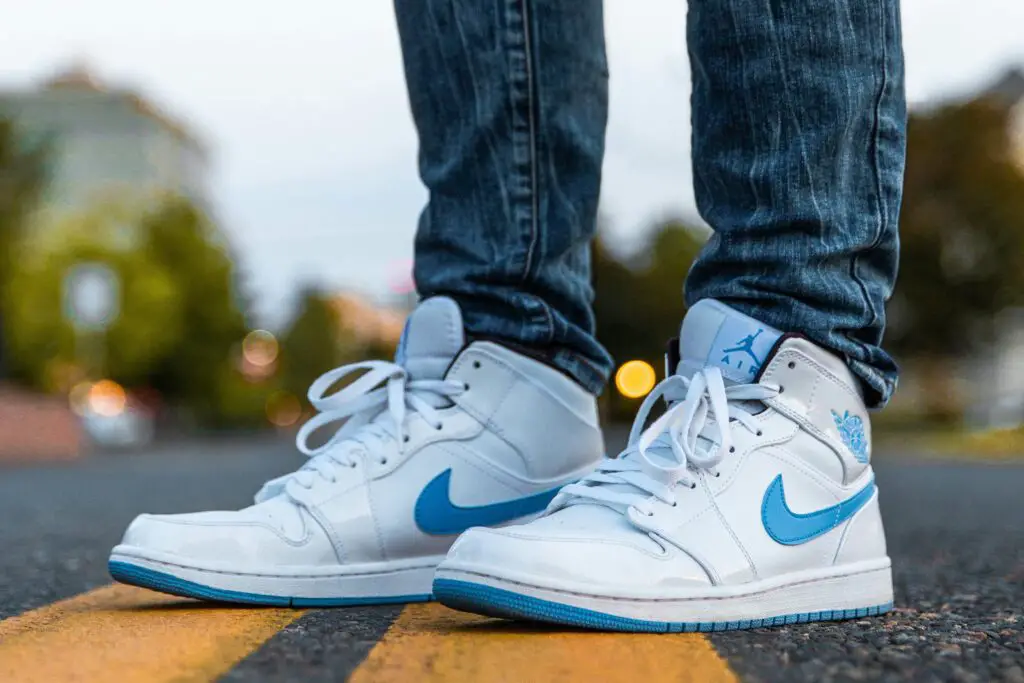
In many parts of the Midwest and South, athletic shoes of all kinds are called tennis shoes. This applies even if they’re used for running, walking, or everyday wear. The term stuck long after tennis-specific footwear faded from daily life. It’s used across generations.
Visitors may assume the speaker means actual tennis gear. Locals rarely notice the mismatch. The phrase is a linguistic holdover that never updated. That persistence makes it especially puzzling to outsiders.
12. Expecting Small Talk With Strangers
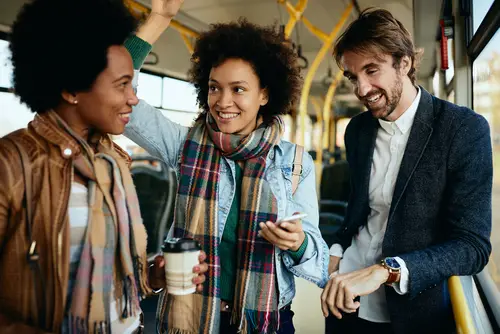
In regions like the South and parts of the Midwest, chatting with strangers is normal. People talk in grocery lines, elevators, and waiting rooms. Silence can feel awkward or unfriendly. Politeness is often expressed through conversation.
Visitors from more reserved regions may find this intrusive. They might not realize small talk is a social courtesy, not a demand. Locals interpret short answers as cold or dismissive. The mismatch in expectations can lead to quiet misunderstandings.
This post These 12 Regional Customs Confuse Even Other Americans was first published on American Charm.