
1. Lititz
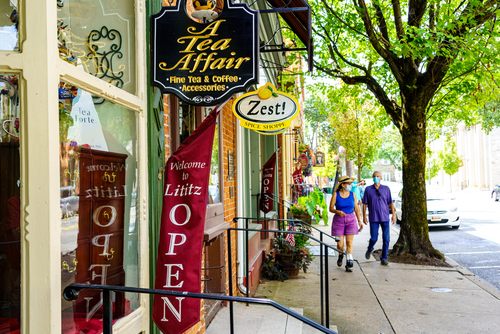
Lititz carries the charm of an early American small town. A preserved main street features brick sidewalks and historic facades. The community dates back to the 18th century and honors that legacy. It consistently ranks as one of the nation’s most charming small towns.
Family-owned bakeries and shops continue long local traditions. The central park hosts concerts and gatherings like it has for generations. Preservation efforts keep the architectural character consistent. Daily life feels rooted in continuity rather than rapid change.
2. Galena
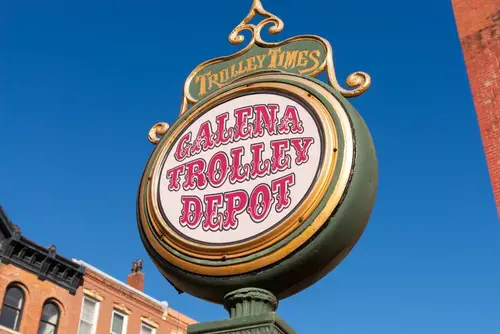
Galena looks like a river town that simply pressed pause sometime in the 1800s. More than 80 percent of its buildings sit inside a nationally recognized historic district. Brick sidewalks and wrought-iron details frame rows of Italianate storefronts. You half expect a steamboat whistle to echo from the Mississippi.
The town carefully protects its architectural character through preservation rules. Antique shops and locally owned cafés fill buildings that once housed 19th-century businesses. Even the surrounding rolling hills remain largely undeveloped. It’s easy to picture life here before highways reshaped travel.
3. Eureka Springs
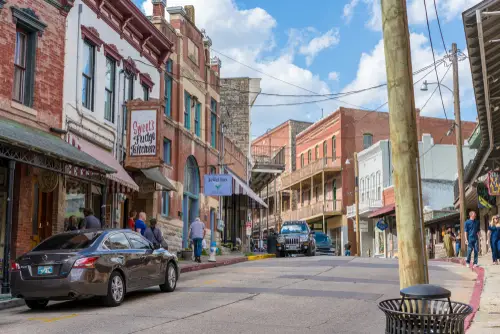
This Ozark Mountain town refuses to follow the modern grid. Streets curve with the hillsides, and nearly every building dates to the Victorian era. There are no traffic lights in the historic core. The entire downtown feels like an open-air museum you can actually live in.
Stone staircases connect neighborhoods instead of wide modern roads. Old bathhouses recall the town’s 19th-century resort heyday. Independent shops occupy preserved heritage buildings rather than new construction. Even chain stores are notably absent from the center.
4. Cape May
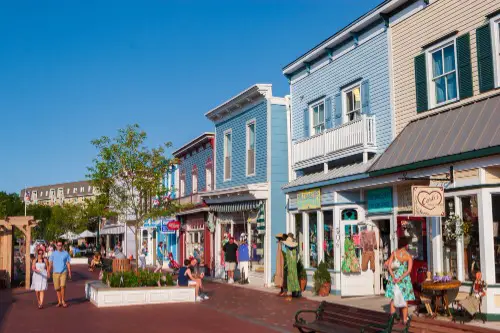
Cape May feels like a preserved seaside resort from another century. It’s widely known for one of the country’s largest collections of Victorian homes. Painted “gingerbread” trim and wraparound porches line entire streets. A horse-drawn carriage passing by doesn’t feel out of place.
Strict preservation efforts keep modern high-rises out of the historic district. Family-run inns operate inside restored 19th-century houses. The beachfront still hosts old-fashioned promenades and quiet sunrise walks. Even summer tourism feels more classic than commercial.
5. St. Augustine
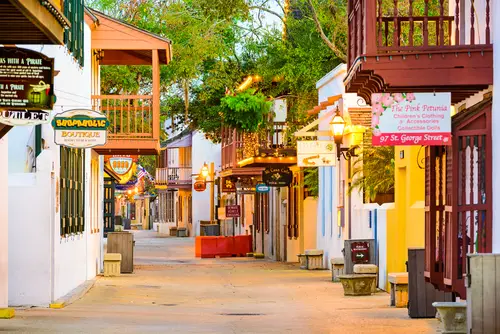
As the oldest continuously inhabited European-established city in the continental U.S., history is unavoidable here. Spanish colonial architecture defines much of the historic district. Narrow brick streets wind past centuries-old landmarks. You can sense layers of time in every block.
Horse-drawn carriages still roll through the old town regularly. Independent museums and historic homes outnumber flashy attractions. Preservation laws protect the city’s distinctive architectural identity. Sunset over the old fort feels unchanged for generations.
6. Bisbee
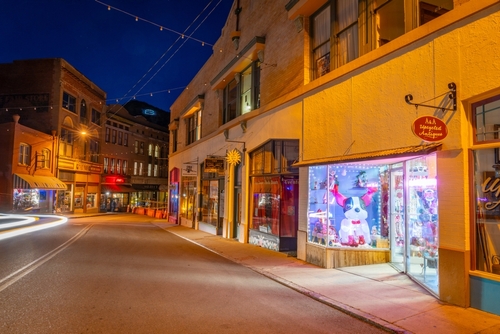
Bisbee began as a late-1800s mining town and still looks the part. Colorful historic buildings cling to steep canyon walls. Staircases lace through neighborhoods where cars can’t easily go. The terrain alone keeps development from feeling modern.
Old saloons, art spaces, and boarding houses fill preserved structures. The downtown district keeps its vintage storefronts intact. There’s a proudly offbeat, small-town rhythm to daily life. It feels like a preserved pocket of the Old West with personality.
7. Harpers Ferry
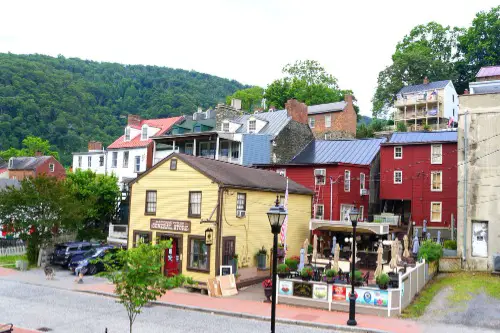
This small town sits at the meeting point of two rivers and several eras of American history. Much of it is preserved as a national historical park. Cobblestone streets and 19th-century buildings dominate the lower town. Modern development stays mostly outside the historic core.
Living history demonstrations are part of everyday life here. Historic storefronts operate inside restored period buildings. Scenic rail lines and footpaths replace multilane roads. The setting encourages you to slow down and look around.
8. Jim Thorpe
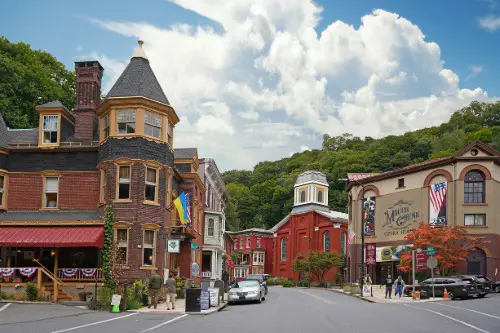
Nestled in a mountain valley, this town feels like a Victorian storybook. Ornate architecture reflects its coal-era prosperity. Narrow streets and preserved facades maintain a 19th-century atmosphere. The surrounding landscape keeps things quiet and contained.
Historic inns and train excursions lean into the town’s heritage. Local shops occupy buildings that have stood for well over a century. Strict preservation keeps modern design from clashing. Even seasonal festivals celebrate traditional crafts and history.
9. Virginia City
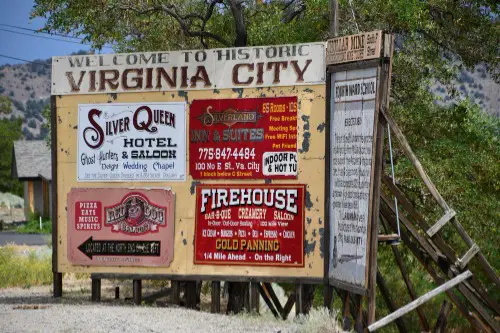
Virginia City still wears its silver-rush history proudly. Wooden boardwalks line the main street like an Old West film set. Many original 19th-century buildings remain standing and in use. The desert surroundings add to the feeling of isolation in time.
Historic saloons and museums occupy preserved frontier structures. Vintage-style signage replaces modern commercial branding. The town actively interprets its mining past for visitors. It’s easy to imagine prospectors walking these same streets.
10. Natchitoches
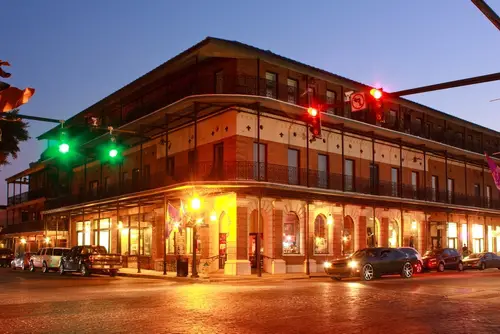
Founded in 1714, this riverside town blends French Creole heritage with Southern charm. Wrought-iron balconies and brick streets define the historic district. The pace of life feels unhurried and community-centered. Front porches still function as social spaces.
Preserved townhouses and churches anchor the skyline. Family-owned shops and cafés dominate downtown commerce. Festivals highlight traditions that span generations. Even the riverfront promenade feels timeless at dusk.
11. Woodstock
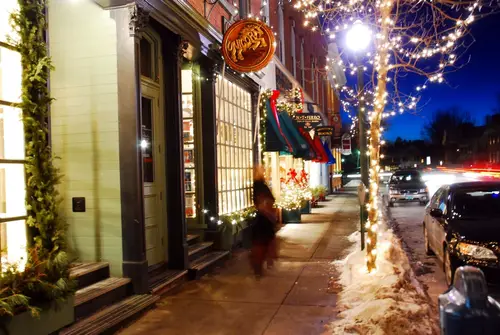
Woodstock looks like a classic New England postcard year-round. White clapboard houses and a central village green set the tone. Strict zoning keeps modern sprawl at bay. The result is a cohesive, historic streetscape.
Covered bridges and working farms surround the village. Locally owned general stores outnumber chain retailers. Seasonal traditions bring the community together repeatedly. It feels rooted in heritage rather than trends.
12. Port Townsend
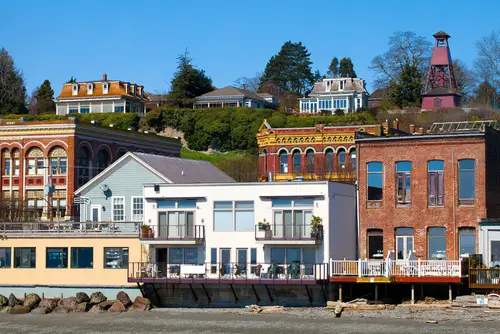
Port Townsend preserves its Victorian seaport character beautifully. Ornate brick buildings overlook a still-working waterfront. Maritime heritage shapes the town’s identity and economy. The skyline remains free of modern high-rise development.
Historic theaters and hotels continue operating in restored buildings. Wooden boats and classic vessels dot the harbor. Independent bookstores and cafés fill heritage storefronts. The sea air and architecture create a lingering old-world mood.
13. Hermann
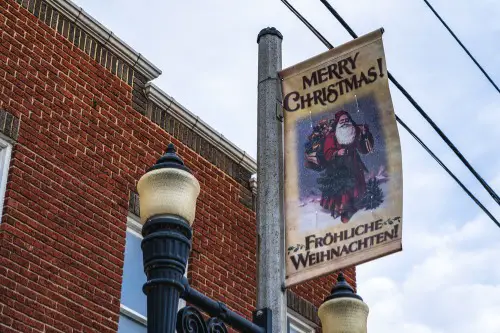
Hermann reflects its deep German immigrant roots in both design and culture. Brick buildings and steep-roof architecture define the town center. Vineyards and farmland surround the community much like they did in the 1800s. The setting feels distinctly Old World.
Historic wineries still operate using long-standing traditions. Locally owned shops emphasize craft and heritage goods. Annual festivals celebrate customs brought by early settlers. The town’s scale keeps everything walkable and familiar.
14. Mackinac Island
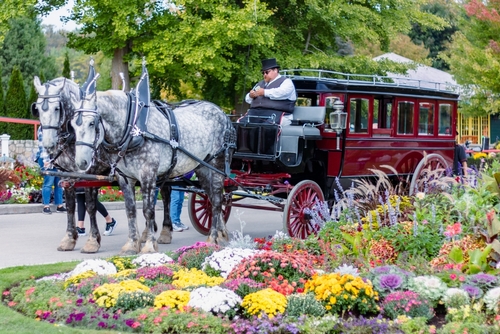
If you want to feel time slow down instantly, this is the place. Cars have been banned here since 1898, so people get around by bicycle or horse-drawn carriage. The quiet clip-clop of hooves replaces traffic noise throughout town. It feels like stepping into an early 20th-century postcard.
Downtown is lined with preserved Victorian buildings and old-fashioned storefronts. Historic grand hotels still host guests much like they did generations ago. Fudge shops pull sweets in open windows using long-practiced techniques. Even the pace of conversation seems softer and more neighborly.
This post These Quiet American Towns Still Live Like It’s Decades Ago was first published on American Charm.

