1. Galveston, Texas
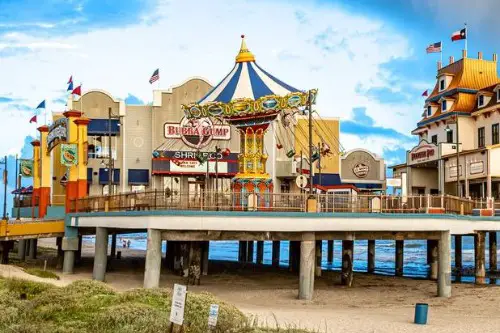
Before Houston rose to prominence, Galveston was Texas’s leading port and commercial gateway. Cotton exports, shipping, and finance made it one of the wealthiest cities in the state. Rail lines and maritime trade connected the region to global markets. For the Gulf Coast, Galveston was the center of opportunity.
The devastating hurricane of 1900 changed everything in a single night. Thousands died, and investors shifted resources inland to safer locations. Houston’s port development accelerated while Galveston struggled to recover its former stature. The city remains historically significant as a reminder of how geography can reshape regional power.
2. Pittsburgh, Pennsylvania
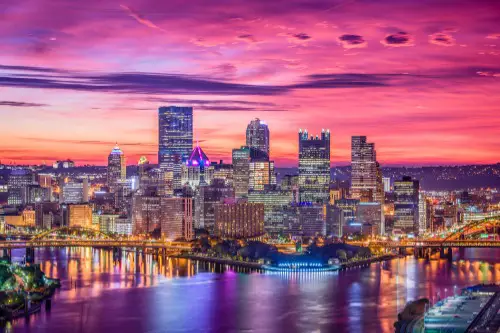
Pittsburgh once carried the weighty nickname “Steel City” with absolute authority. Its mills produced so much steel that the region helped build America’s skyscrapers, railroads, and warships. Generations of families planned their futures around mill schedules and union contracts. The glow of furnaces at night was both literal light and economic security.
The city shaped regional identity across western Pennsylvania and beyond. Entire towns depended on its industrial supply chains, from coal mines to river transport. When the steel industry declined in the late 20th century, it felt like the ground shifted under the whole region. Pittsburgh’s reinvention into tech and education makes its earlier dominance even more striking.
3. Goldfield, Nevada
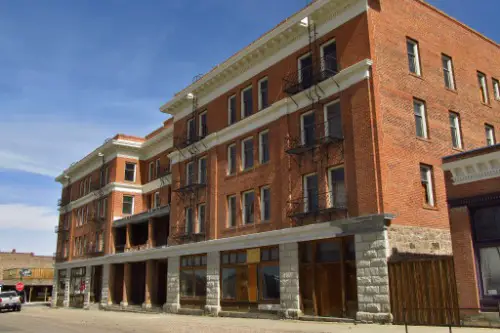
At the height of the early 1900s gold rush, Goldfield was Nevada’s largest city and its economic heartbeat. Prospectors, investors, and dreamers flooded in, chasing fortunes pulled from the desert floor. The town had grand hotels, newspapers, and a surprisingly lively cultural scene. For a moment, it felt like the future of the state lived there.
But boomtown energy can fade as fast as it flares. When gold production dropped, businesses shuttered and residents moved on. The region that once revolved around Goldfield had to reorient itself almost overnight. Today, its quiet streets still echo with that brief, blazing importance.
4. Deadwood, South Dakota
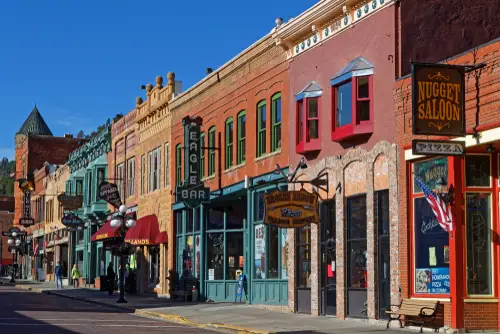
Deadwood exploded into prominence during the Black Hills Gold Rush of the 1870s. It became a lawless but vital hub for miners, merchants, and frontier figures trying to stake a claim. The town’s economy pulsed with gold money and constant motion. For the surrounding territory, Deadwood was where fortunes were made and news traveled fast.
Its reputation drew larger-than-life personalities and endless attention. Saloons, gambling halls, and rough-and-tumble politics defined its character. When mining slowed, so did the frenzy that sustained it. Still, Deadwood’s legend keeps its historical importance alive in regional memory.
5. Centralia, Pennsylvania
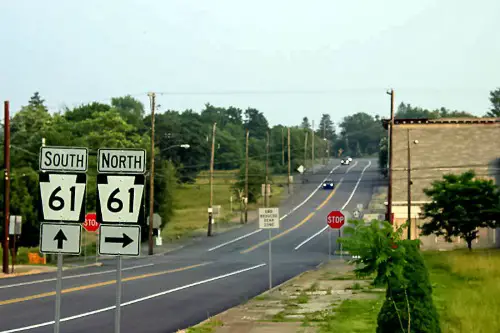
Centralia was once a tight-knit coal town that powered homes and industries across the region. Mining jobs supported families for generations, and daily life revolved around shifts underground. Churches, schools, and local businesses thrived because the coal economy was steady. It was the kind of place where everyone knew everyone.
Everything changed after an underground coal fire ignited in 1962 and never stopped burning. Toxic gases and sinkholes slowly forced residents to leave. What had been a community anchor became a near-ghost town. The region still treats Centralia as a cautionary tale about industrial risk.
6. Gary, Indiana
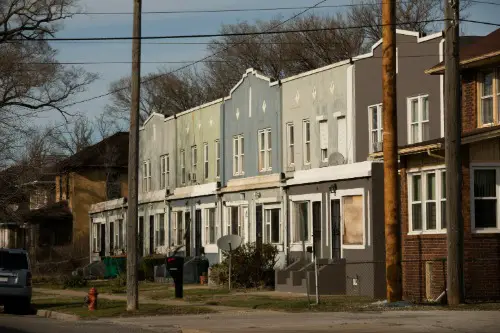
Gary rose quickly in the early 1900s as a company town built around U.S. Steel’s massive operations. Its mills supplied critical materials that fueled national growth and wartime production. Workers streamed in from across the country and overseas, shaping a diverse and industrious population. Northwest Indiana’s economy revolved around Gary’s output.
The city’s influence was both economic and cultural. It produced artists, athletes, and one of the most famous musical families in pop history. When steel jobs declined, unemployment and population loss hit hard. Gary’s trajectory mirrors the broader story of Rust Belt industrial centers.
7. Bodie, California
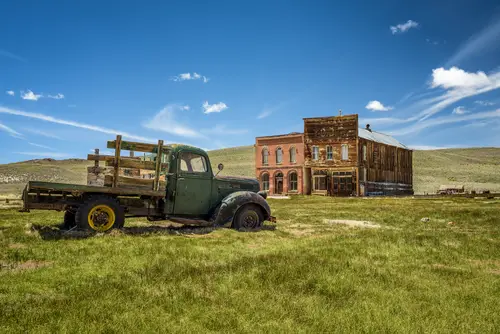
Bodie boomed in the late 1800s after a major gold discovery turned it into a bustling mining town. Thousands of residents filled its streets, supporting hotels, shops, and newspapers. For eastern California, it became a vital commercial and supply hub. Its remote location didn’t stop it from feeling like the center of everything.
Like many mining towns, its prosperity depended on finite resources. As ore quality declined, people packed up and chased the next strike. Businesses closed, schools emptied, and the town rapidly thinned out. Bodie now stands preserved as a stark reminder of boom-and-bust regional economies.
8. Lowell, Massachusetts
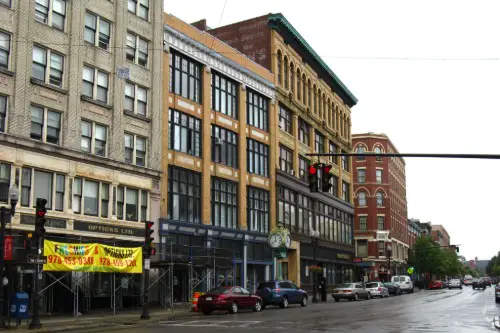
Lowell was one of the birthplaces of the American Industrial Revolution. Its textile mills harnessed waterpower from the Merrimack River and turned raw cotton into finished cloth at unprecedented scale. Young women known as “mill girls” came from across New England to work there, reshaping local labor culture. For decades, the region’s economy and identity revolved around those brick mill complexes.
The city became a model for planned industrial communities. Housing, churches, and cultural institutions grew alongside factory floors. When textile manufacturing moved south and overseas, Lowell’s dominance faded quickly. Its preserved mills now tell the story of how deeply it once mattered.
9. Pullman, Illinois
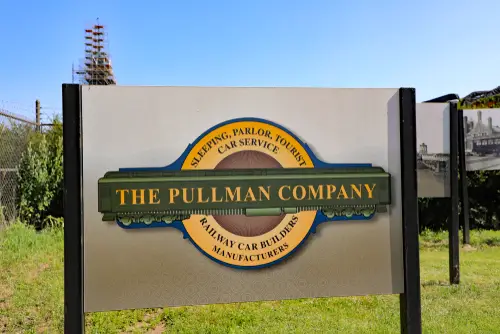
Pullman began as a meticulously planned company town built for workers who made luxury railroad sleeping cars. Everything from the homes to the market square was designed by the Pullman Palace Car Company. It was held up as a national example of industrial order and corporate paternalism. The surrounding region depended on its factories and rail connections.
Tensions over wages and living costs erupted into the Pullman Strike of 1894. That labor conflict disrupted rail traffic nationwide and became a turning point in American labor history. Pullman’s name became synonymous with both industrial ambition and worker unrest. Its legacy still shapes conversations about labor and corporate power.
10. Tombstone, Arizona
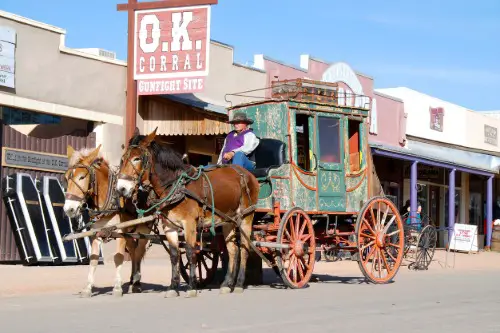
Tombstone surged to life after rich silver deposits were discovered in the late 1870s. Prospectors and entrepreneurs flooded in, building theaters, newspapers, and grand hotels in the desert. For southeastern Arizona, it quickly became an economic and cultural anchor. Money from the mines financed development across the territory.
Its larger-than-life reputation came from frontier lawmen and outlaws. The famous gunfight near the O.K. Corral cemented its place in Western lore. When silver prices fell and mines flooded, the boom collapsed. Tombstone’s legend endures as a symbol of the Wild West economy.
11. Butte, Montana
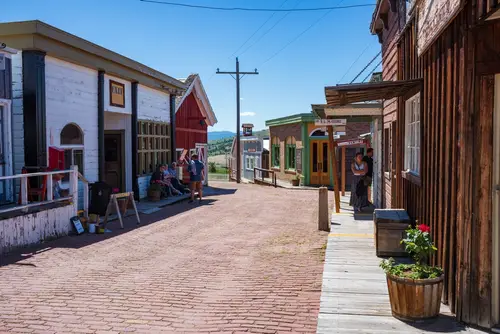
Butte once called itself “The Richest Hill on Earth,” and it wasn’t exaggerating much. Its copper mines supplied the wiring that electrified American cities and powered industrial expansion. Immigrant workers from around the world built tight-knit neighborhoods around the mines. Montana’s economy leaned heavily on Butte’s output for decades.
The city also became a powerhouse of labor organizing. Mining unions there influenced national conversations about worker safety and rights. As ore bodies declined and companies consolidated, jobs disappeared and population fell. Butte’s towering mine headframes still mark its former regional dominance.
12. Detroit, Michigan
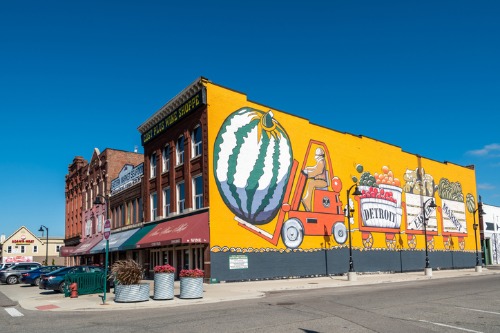
For much of the 20th century, Detroit wasn’t just a big city—it was the engine of America’s industrial heartbeat. Automakers like Ford, General Motors, and Chrysler turned it into the global center of car manufacturing, and entire communities rose around factory shifts and assembly lines. Middle-class livelihoods, union power, and the promise of stable work were woven into everyday life. If you lived anywhere in the Midwest, Detroit’s fortunes felt personal.
The city’s influence stretched beyond economics into culture and identity. Motown Records helped define the sound of a generation, giving the region a creative swagger that matched its industrial muscle. When the auto industry contracted and jobs vanished, the ripple effects hit families across multiple states. Detroit’s rise and struggle still symbolize the arc of American manufacturing towns.
This post These Places Once Meant Everything to Their Regions was first published on American Charm.