1. Atlantic City, New Jersey
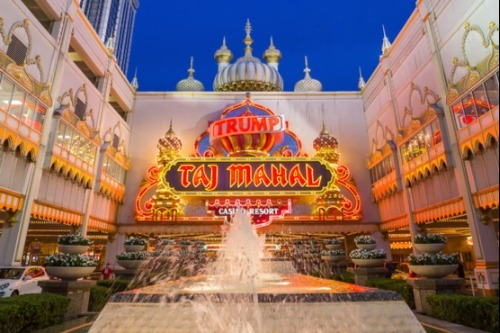
Atlantic City is often dismissed as a failed casino town past its prime. That reputation solidified after several casinos closed between 2014 and 2016. What gets overlooked is that Atlantic City has stabilized its casino industry and diversified slightly into entertainment and conventions. New casinos have opened, and existing ones have reinvested.
The city still struggles with poverty and governance issues, so the criticism isn’t entirely outdated. However, it’s no longer in free fall, and tourism remains a major economic driver. Events, beaches, and non-gambling attractions now play a bigger role. The old image of total collapse doesn’t reflect its current reality.
2. Detroit, Michigan
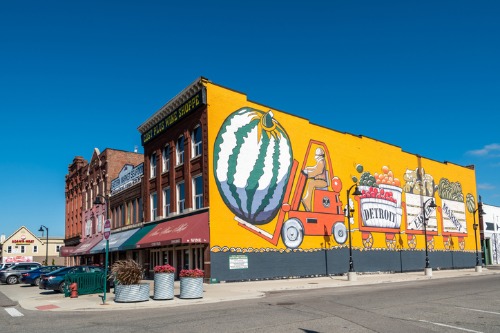
Detroit is still widely described as a bankrupt, abandoned city, even though that chapter closed years ago. The city exited bankruptcy in 2014, and entire neighborhoods like Downtown and Midtown have seen sustained investment since then. Major employers, sports arenas, and new residential developments have reshaped the core. The old reputation persists largely because national media hasn’t updated its mental picture.
That said, Detroit’s challenges haven’t disappeared, which is why the outdated narrative sticks. Some neighborhoods still struggle with population loss and infrastructure gaps. But reducing the city to its lowest point ignores real progress and ongoing complexity. Detroit today is neither a miracle comeback nor a ruin, just a city still rebuilding.
3. Cleveland, Ohio
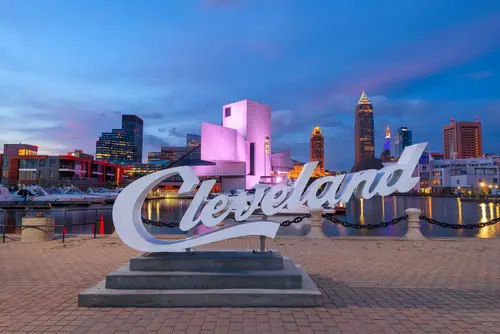
Cleveland can’t seem to shake jokes about pollution, decline, and being generally undesirable. Those jokes date back to the mid-20th century, including the infamous 1969 Cuyahoga River fire. What gets missed is that the river hasn’t caught fire in decades and has been significantly cleaned up. Cleveland now has a strong healthcare sector anchored by the Cleveland Clinic.
The city has also invested heavily in its downtown, lakefront, and cultural institutions. Neighborhoods like Ohio City and Tremont have become popular places to live. While Cleveland still faces economic inequality, it’s far from the punchline it once was. The reputation lingers mostly because the jokes were memorable and easy.
4. Gary, Indiana
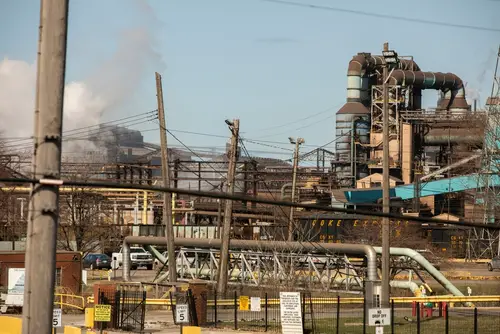
Gary is almost always cited as a textbook example of urban decay. That image comes from decades of population loss tied to the decline of the steel industry. While the city is much smaller than it once was, the steel mills never fully disappeared. U.S. Steel still operates major facilities there today.
Gary’s biggest issue is that its decline was slow and highly visible. Efforts to redevelop have been uneven but ongoing, particularly near the lakefront. The city is no longer the industrial powerhouse it once was, but it’s also not abandoned. Its reputation froze at its lowest point and never moved forward.
5. Camden, New Jersey
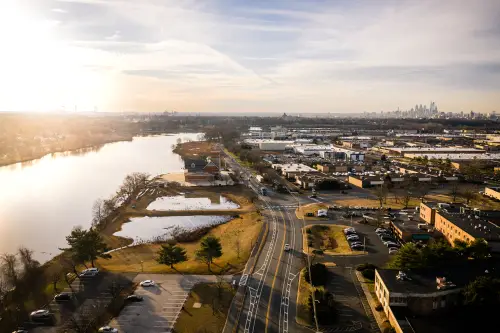
Camden is often described as one of the most dangerous cities in America, based on crime statistics from the early 2000s. Since then, violent crime has dropped significantly following policing reforms implemented in 2013. The city also gained new institutional anchors like Rutgers University–Camden and the Cooper Medical School. Those changes don’t erase hardship, but they matter.
Camden remains poor, and many residents still face serious challenges. But the city is no longer defined by unchecked crime alone. Its waterfront development and educational presence have reshaped parts of the city. The reputation lingers because improvement doesn’t travel as fast as fear.
6. St. Louis, Missouri
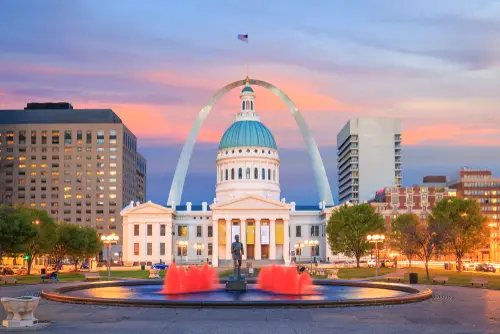
St. Louis is frequently labeled as one of the most dangerous cities in the U.S. That ranking comes from how city boundaries are drawn, excluding surrounding suburbs. Crime statistics apply to a very small geographic area compared to the metro population. This technicality rarely gets mentioned when the reputation spreads.
The broader St. Louis region includes stable and thriving communities. The city itself has vibrant neighborhoods like Central West End and Soulard. Crime is a real issue, but the simplified narrative distorts reality. St. Louis suffers more from statistical framing than lived experience.
7. Fresno, California
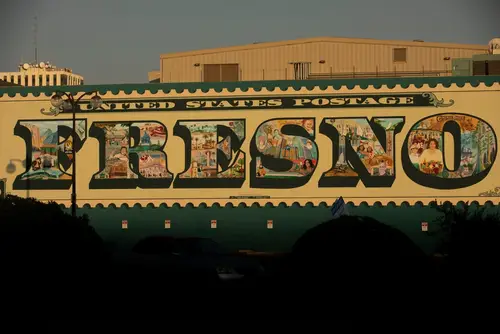
Fresno is often portrayed as a dull, struggling agricultural city with nothing going for it. That image ignores its role as a gateway to Yosemite, Kings Canyon, and Sequoia National Parks. Fresno’s economy is closely tied to agriculture, which brings both wealth and inequality. The city’s cultural and food scenes have grown alongside that base.
The city does face air quality issues and sprawl, which feed its negative image. But Fresno has added revitalized downtown areas and new housing developments. Its reputation suffers from being compared to coastal California cities. Fresno isn’t glamorous, but it’s not stagnant either.
8. New Orleans, Louisiana
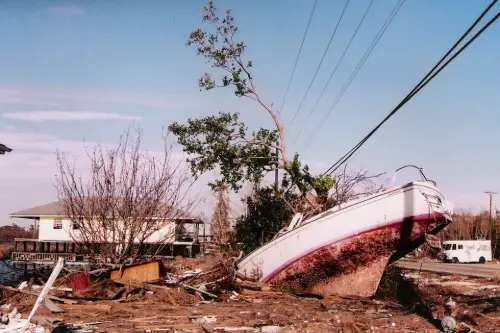
New Orleans is still often framed as a city that never recovered from Hurricane Katrina. That disaster happened in 2005, and rebuilding has been uneven but extensive. Population levels have rebounded significantly, though not completely. Tourism, port activity, and the service economy have long since returned.
The city still struggles with infrastructure, housing affordability, and climate vulnerability. Those issues keep the Katrina narrative alive. But defining New Orleans solely by that tragedy erases two decades of change. The city today is shaped by recovery, not frozen in it.
9. Las Vegas, Nevada
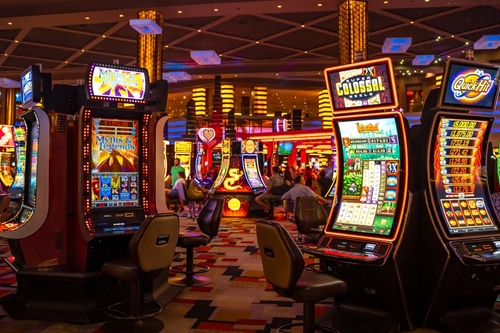
Las Vegas still gets dismissed as a hollow, fake city built only for tourists. That reputation overlooks the fact that more than two million people live in the metro area. The city has diversified into professional sports, logistics, and tech-adjacent industries. Major league teams now call Las Vegas home.
Tourism remains central, but it’s no longer the entire story. The city has established suburbs, schools, and long-term residents. The caricature persists because visitors only see the Strip. Las Vegas is more normal than its reputation allows.
10. Baltimore, Maryland
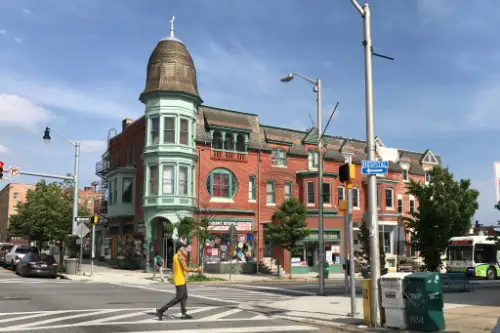
Baltimore is often defined by images of crime and unrest, especially after 2015. Those events were real and significant, but they’re not the full picture. Baltimore has major economic anchors like Johns Hopkins University and its medical system. Neighborhoods such as Federal Hill and Hampden have remained stable and active.
The city’s problems are serious and ongoing, particularly around inequality and public safety. But the idea that Baltimore is uniformly unsafe is inaccurate. Its reputation compresses a complex city into a single narrative. Like many older cities, Baltimore contains multitudes.
11. Branson, Missouri
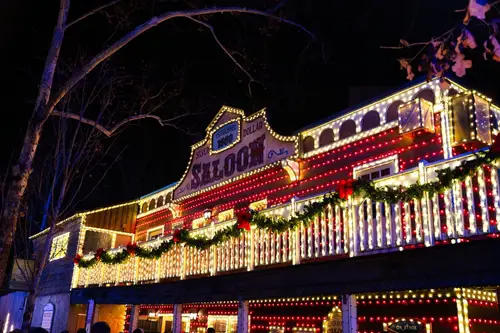
Branson is widely seen as a washed-up tourist trap for retirees. That image dates back to its peak as a live entertainment hub in the 1990s. While some theaters have closed, tourism remains strong. Branson has leaned into outdoor recreation and family attractions.
The city continues to draw millions of visitors annually. Its economy never collapsed, it simply evolved. The reputation stuck because cultural tastes changed. Branson is quieter than it once was, not obsolete.
12. Reno, Nevada
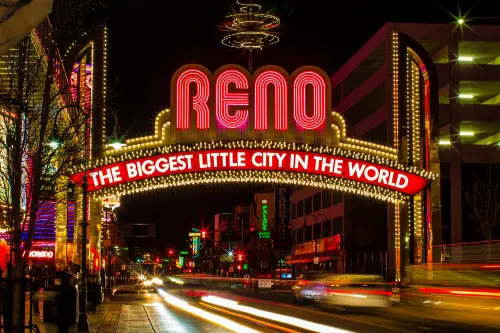
Reno still lives under the shadow of its old slogan, “The Biggest Little City in the World,” and its casino-heavy past. For decades, it was viewed as a lesser version of Las Vegas. What’s changed is Reno’s growing role as a logistics and tech-adjacent hub. Companies like Tesla established major operations nearby.
Housing growth and population increases have reshaped the city. Reno still has casinos, but they no longer define everything. The outdated reputation ignores how much the local economy has shifted. Reno is no longer just a gambling stopover.
13. Pittsburgh, Pennsylvania
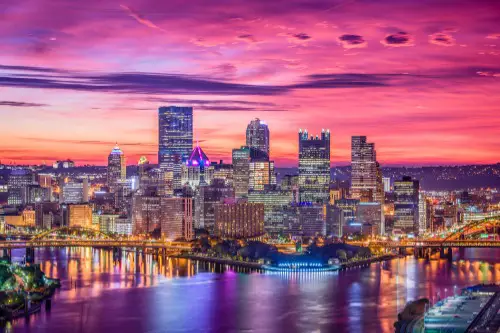
Pittsburgh is still commonly associated with steel mills and industrial decline. That reputation comes from the collapse of the steel industry in the 1970s and 1980s. What followed was a long transition toward healthcare, education, and technology. Today, universities and hospitals are the region’s largest employers.
The city has also gained attention for robotics and autonomous vehicle research. While Pittsburgh remains smaller than it once was, it’s economically more diverse. The steel-town image persists because it was so dominant for so long. Pittsburgh has changed, even if its nickname hasn’t.
This post These 13 Places Are Still Living Off Old Reputations was first published on American Charm.