1. Mauna Loa Observatory
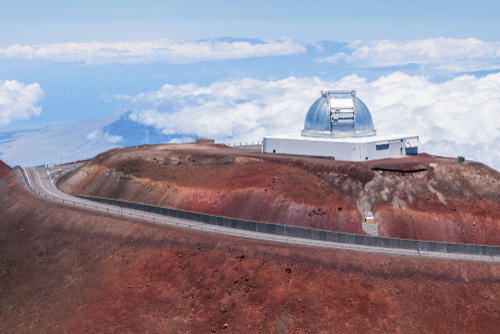
High on a volcanic slope in Hawaii, the Mauna Loa Observatory blends into stark lava landscapes. Scientists there have measured atmospheric carbon dioxide continuously since 1958. The data produced the famous Keeling Curve, a cornerstone of climate science. Its remote location ensures cleaner, more reliable measurements.
Those long-term records shape climate policy and environmental planning. They inform models used by governments, researchers, and industry. The observatory’s data influences everything from emissions standards to coastal planning. Quiet measurements there echo loudly in national decisions.
2. Strategic Petroleum Reserve Sites
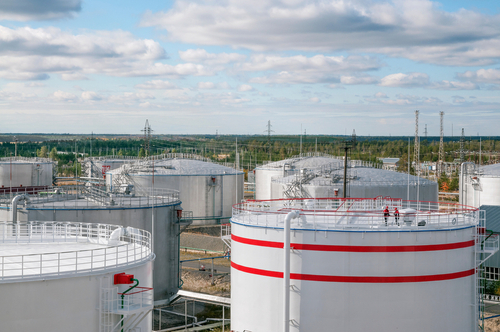
Scattered across salt caverns along the Gulf Coast, the Strategic Petroleum Reserve operates far from public view. These underground storage sites hold hundreds of millions of barrels of crude oil. They were created after the 1970s energy crisis to cushion the country against supply shocks. The locations are mostly in Texas and Louisiana, hidden beneath otherwise ordinary landscapes.
When global supply is disrupted, oil can be released to stabilize fuel markets. That affects gas prices, airline costs, shipping, and the broader economy. Presidents from both parties have tapped the reserve during emergencies. It’s an invisible lever that helps steady everyday expenses.
3. The National Interagency Fire Center
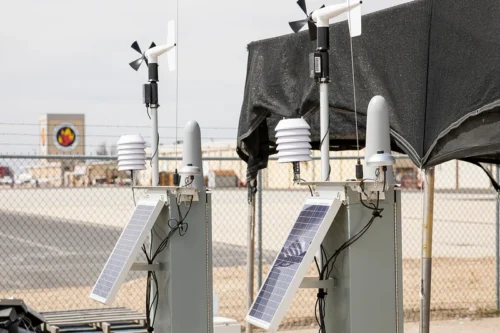
From the outside, the National Interagency Fire Center looks like a typical office campus in Boise. Inside, it coordinates wildfire response across federal, state, and local agencies. Specialists track fire behavior, deploy crews, and manage aircraft assignments nationwide. It’s essentially mission control for large-scale wildfire operations.
That coordination determines how fast help arrives when fires threaten communities. Resource sharing prevents duplication and fills dangerous gaps. The center also manages national preparedness levels that influence funding and staffing. If you’ve seen wildfire response ramp up quickly, this quiet hub is a big reason why.
4. Plum Island Animal Disease Center
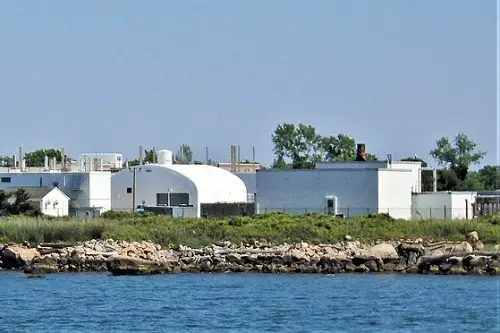
Off the tip of New York sits Plum Island Animal Disease Center, largely out of public sight. The federal research lab studies serious livestock diseases that could devastate agriculture. Scientists work in high-containment facilities to prevent outbreaks. Its mission focuses on protecting the food supply and farm economy.
Healthy livestock means stable meat and dairy production nationwide. Research there supports vaccines, diagnostics, and outbreak response plans. Preventing animal disease also limits price spikes and trade disruptions. Most shoppers never hear of it, but it quietly safeguards grocery shelves.
5. Raven Rock Mountain Complex
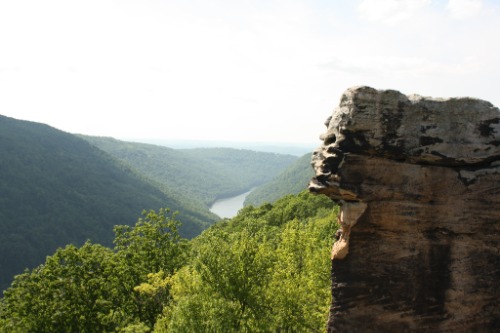
Buried inside a mountain near the Pennsylvania–Maryland border, the Raven Rock Mountain Complex rarely makes headlines. It’s a secure military installation designed to ensure continuity of government operations. The site includes extensive underground facilities built during the Cold War. Access is tightly controlled and daily activity is mostly invisible.
Continuity planning matters more than people realize. If a national emergency disrupts Washington, leadership can still function. That stability supports defense coordination and civil order. It’s insurance for worst-case scenarios that most of us hope never happen.
6. The National Radio Quiet Zone
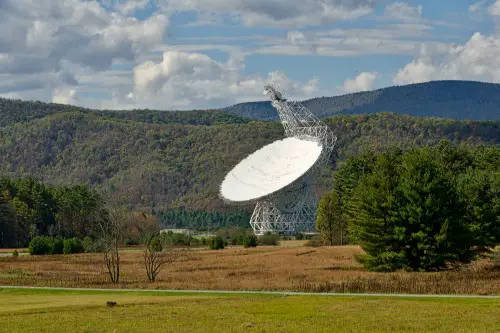
Spanning parts of West Virginia and Virginia, the National Radio Quiet Zone limits radio transmissions across thousands of square miles. The restrictions protect sensitive scientific instruments from interference. Cell signals and certain transmitters are tightly regulated. It feels like stepping into a different technological era.
The zone shields the massive Green Bank Telescope, one of the world’s most powerful radio observatories. Astronomers use it to study pulsars, galaxies, and cosmic signals. Discoveries there expand scientific knowledge and inspire new technologies. A quieter sky leads to louder breakthroughs.
7. Cheyenne Mountain Complex
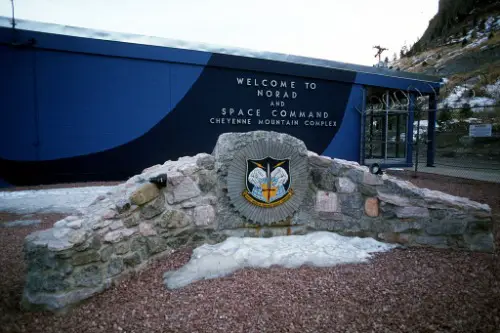
Tucked inside a granite peak near Colorado Springs, the Cheyenne Mountain Complex is easy to forget because you can’t really see it. It’s a hardened military installation engineered to withstand blasts, electromagnetic pulses, and other extreme threats. Behind massive blast doors, personnel monitor North American airspace around the clock. The facility is operated by North American Aerospace Defense Command, which tracks missiles, aircraft, and space objects.
That constant watch has real consequences for daily life, even if it feels distant. Early-warning systems help prevent accidental escalations and keep civilian aviation safer. Space tracking also protects satellites that power GPS, weather forecasts, and communications. It’s a quiet backbone of national security that most people never think about.
8. Fort Detrick
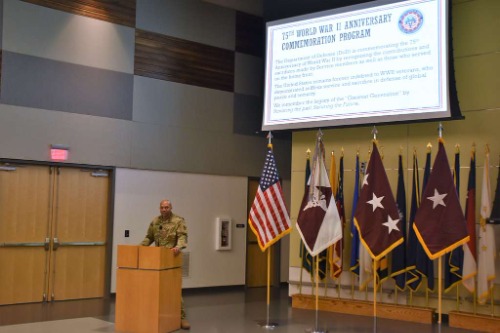
At first glance, Fort Detrick looks like a typical military base in Frederick. Behind secure labs, it houses major biomedical research programs. Agencies there study infectious diseases and biodefense. High-containment facilities allow safe work on dangerous pathogens.
Research from the base supports public health preparedness. Scientists develop countermeasures, diagnostics, and response strategies. The work strengthens readiness for outbreaks and biological threats. It’s a low-profile hub with high-stakes responsibilities.
9. The Denver Federal Center
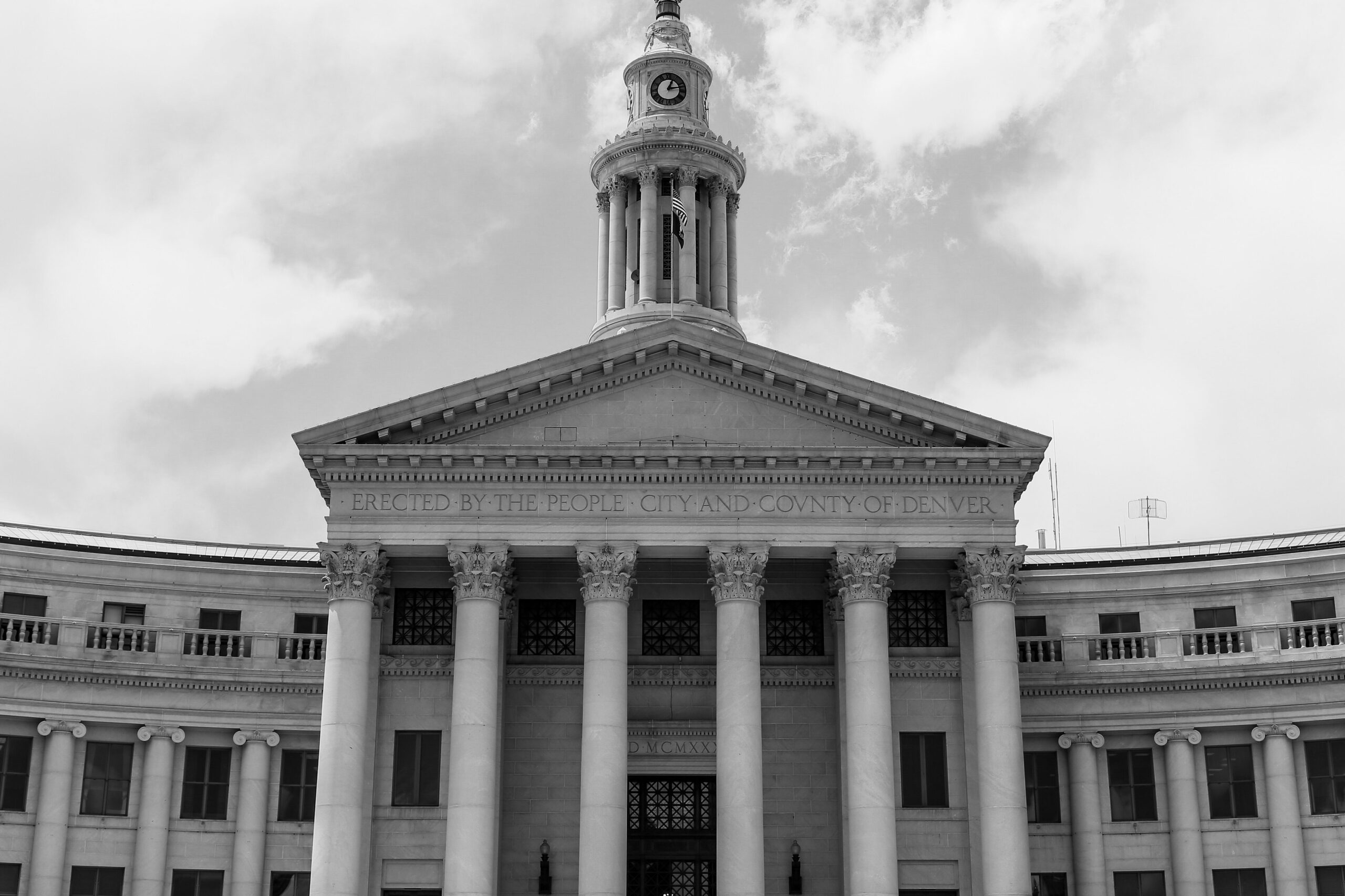
In Lakewood, the Denver Federal Center stretches across a massive but low-key campus. Dozens of federal agencies operate there outside Washington, D.C. Offices handle land management, geological research, and administrative services. It’s one of the largest federal complexes in the country.
Policies affecting public lands and natural resources often pass through here. Scientific teams support mapping, mineral assessments, and hazard monitoring. Administrative operations keep national programs running smoothly. It’s a reminder that federal work happens far beyond the capital.
10. Wallops Flight Facility
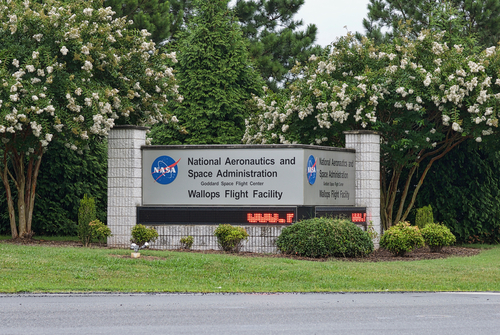
On the Eastern Shore of Virginia, NASA operates the Wallops Flight Facility. The coastal site launches sounding rockets and scientific missions. It also supports aerospace testing and technology development. Most launches happen with little national attention.
Data gathered there supports weather research and atmospheric science. The facility also helps test systems used in larger space missions. Commercial partners use the site for satellite launches. Quiet liftoffs there feed innovations people rely on daily.
11. Federal Reserve Bank Data Centers
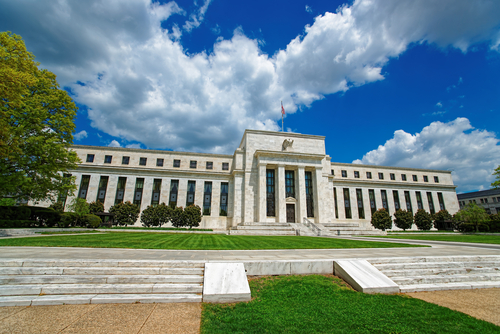
The Federal Reserve quietly runs massive data centers in places like Culpeper and Richmond that most Americans never hear about. These facilities process and store the financial data that keeps the U.S. banking system humming day in and day out. Behind secure walls, they handle payment systems, economic records, and critical infrastructure for money movement. Without them, electronic transactions and interbank coordination would be far more fragile.
Those data centers ensure your direct deposits, bill payments, and ATM withdrawals all work smoothly. They also house backup systems that protect against outages and cyberattacks. Central bank functions like monetary oversight and financial stability depend on this quiet backbone. It’s an unseen part of the economic system that shapes everyday life for millions of Americans.
This post These Nearly Invisible Places Still Shape American Life was first published on American Charm.