
1. Remote Work Bleeding Into Everyday Places

You can tell it’s a weekday at a coffee shop now because half the room is quietly on laptops with headphones in. Video calls happen at kitchen tables, spare bedrooms, and sometimes parked cars between errands. This moment belongs here because work is no longer tied to a single place for millions of Americans. The boundaries between professional and personal space have visibly softened.
This shift matters because it changed daily rhythms in cities and suburbs alike. Lunch rushes start earlier, gyms fill mid-morning, and school pickup doesn’t always mean leaving an office. It’s not a temporary workaround anymore, but a lasting reorganization of time. You see it whenever a Zoom meeting pauses so someone can sign for a package.
2. QR Codes as the Default Interface
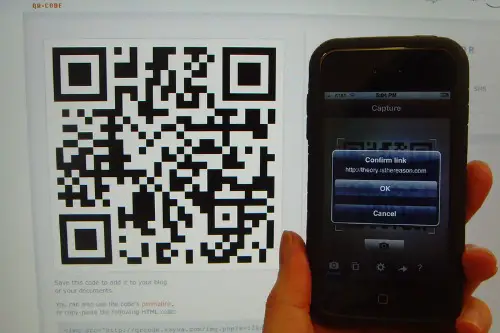
Sitting down at a restaurant and being handed a laminated QR code now feels routine. Menus, payment, and even tipping are often handled through your phone. This makes the list because it shows how quickly Americans accepted digital shortcuts in physical spaces. What once felt impersonal is now normal.
The reason this stuck is convenience for both diners and staff. Restaurants save on printing, and customers get faster checkout. It also reflects a comfort with phones mediating everyday interactions. The moment you scan before you speak, you’re living in the new normal.
3. Self-Checkout as the Main Checkout
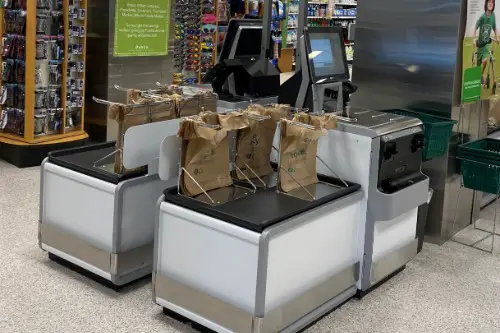
At many grocery and big-box stores, self-checkout lanes outnumber traditional ones. Shoppers scan, bag, and pay with minimal staff interaction. This moment matters because it shows how labor, technology, and consumer expectations have shifted together. Waiting for a cashier now feels like the slower option.
The change is specific and visible every time you shop. Stores restructured layouts, and customers learned the systems quickly. It’s a quiet example of Americans taking on tasks that used to be jobs. The beep of a scanner has become background noise.
4. Wildfire Smoke as a Nationwide Weather Story

Air quality alerts from distant wildfires now appear on phones far from the flames. Cities that never worried about smoke now track AQI alongside temperature. This belongs here because climate effects are no longer regional abstractions. They show up in daily health decisions.
People cancel outdoor plans or wear masks again, but for different reasons than before. Schools keep kids inside for recess, and runners switch to treadmills. The moment is specific when the sky turns hazy at noon. It’s a shared experience reshaping how Americans think about air and safety.
5. Video Doorbells as Neighborhood Norms
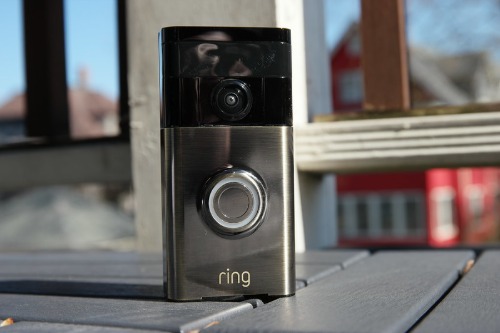
Front doors now double as cameras, speakers, and notification centers. Packages, visitors, and even passing cars are logged automatically. This moment earns its place because it reflects how security and convenience merged in everyday life. Watching your doorstep from work is no longer unusual.
The shift affects how neighbors interact and how deliveries work. People wave at doorbells and speak to empty porches. It’s a subtle change in trust and visibility. The normal American home now includes a digital lookout.
6. Electric Vehicle Chargers in Ordinary Parking Lots
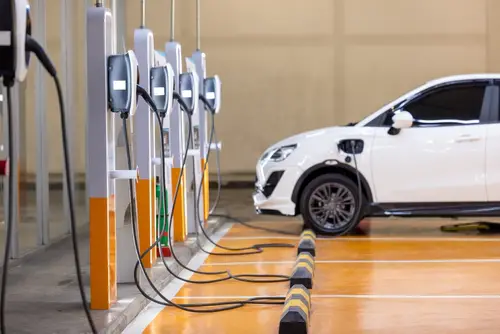
EV chargers show up at grocery stores, apartment complexes, and highway rest stops. They’re not novelty installations anymore. This matters because it signals transportation change becoming practical, not aspirational. Infrastructure always marks real adoption.
You see it when someone plugs in during a routine errand. Charging time overlaps with shopping time, changing how people plan trips. It’s a concrete sign of transition rather than prediction. The new normal hums quietly in parking spaces.
7. Telehealth as a First Option
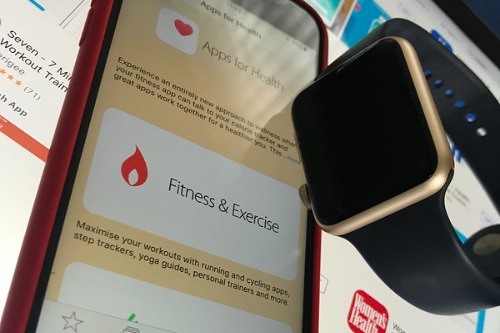
Booking a doctor’s visit now often starts with a video appointment. Prescriptions, follow-ups, and mental health sessions happen from home. This moment belongs here because healthcare access changed in form, not just speed. Seeing a provider no longer requires a waiting room.
The normalization is evident in insurance coverage and scheduling systems. Patients expect remote options for many needs. It doesn’t replace in-person care, but it reshapes expectations. Healthcare entered the same hybrid world as work.
8. Student Loan Payments Resuming as a Household Reality

After a long pause, federal student loan payments restarted in late 2023. Families adjusted budgets, spending, and savings plans accordingly. This moment captures the new normal because financial policy shifts now ripple immediately through daily life. The pause itself changed habits, and the restart changed them again.
People talk about payment dates alongside rent and groceries. Employers added benefits and counselors responded to renewed demand. It’s a specific reminder of how policy meets personal finance. The normal now includes planning for uncertainty.
9. Tipping Screens Asking for More, Everywhere
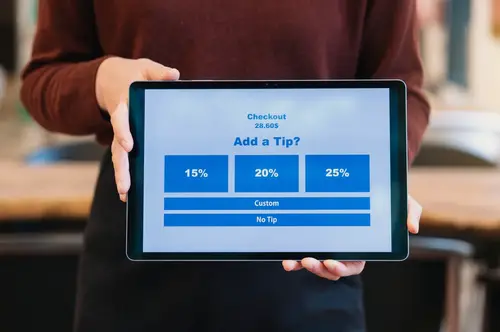
Digital payment screens now prompt tips at coffee counters, bakeries, and food trucks. Suggested percentages often start higher than they once did. This makes the list because it shows evolving norms around service, wages, and consumer pressure. The moment happens in seconds but leaves an impression.
Customers pause, hesitate, or feel judged by a screen. Workers rely on those prompts as part of income. It’s a negotiation happening silently at checkout. The new normal includes rethinking what a tip means.
10. Pickleball Courts Replacing Old Spaces
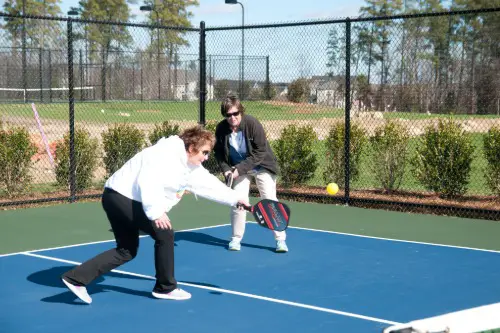
Pickleball lines appear on former tennis courts and gym floors nationwide. The sport spread quickly across age groups and regions. This belongs here because it shows how communal recreation can change fast. Americans adopt what’s social, accessible, and easy to learn.
The evidence is in packed courts and municipal schedules. Cities reallocate space to meet demand. It’s not just a fad when infrastructure follows. The sound of paddles marks a shift in how people gather.
11. Weekday Mornings Feeling Like Weekends

Errands, workouts, and appointments now happen at all hours. The traditional Monday-to-Friday rhythm softened. This moment captures the new American normal because time itself feels more flexible. The crowd patterns tell the story.
You see parents shopping after school drop-off and professionals at noon yoga. Businesses adjust staffing to unpredictable flows. It’s not leisure replacing work, but work rearranging life. The calendar still exists, but it no longer rules everything.
This post These Moments Capture the New American Normal was first published on American Charm.

