
1. Jackson, Mississippi
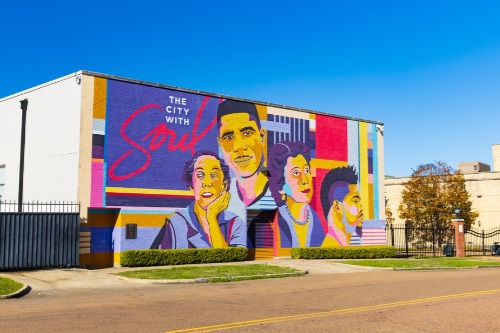
Living in Jackson has meant years of uncertainty around basic services, especially drinking water. Repeated system failures, boil-water notices, and emergency repairs have turned something simple into a daily concern. People plan errands and school mornings around whether the tap is safe. That kind of constant low-level stress adds up fast.
Beyond water, the city continues to struggle with aging infrastructure and limited economic momentum. Residents often feel they have to fight for attention from state leaders just to maintain normal life. Many describe a sense of being stuck in crisis-management mode. It’s hard to recharge when the problems feel structural rather than temporary.
2. Lahaina, Hawaii
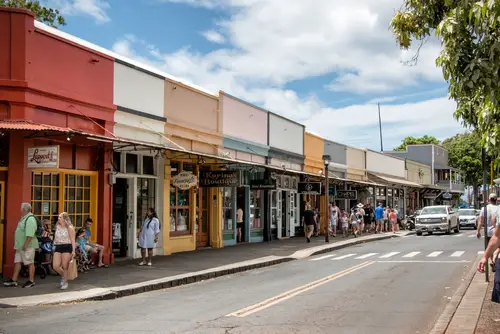
Lahaina is still reeling from the devastating 2023 wildfire that destroyed much of the town. Entire neighborhoods were lost, along with schools, businesses, and historic sites that anchored daily life. Recovery has been slow and emotionally draining for families trying to rebuild or relocate. Grief and logistics are intertwined in exhausting ways.
Housing shortages across Maui have made recovery even harder. Many former residents are displaced, commuting long distances or leaving the island altogether. There’s also tension between rebuilding, honoring cultural history, and managing tourism. For locals, it can feel like healing is constantly competing with outside pressures.
3. East Palestine, Ohio
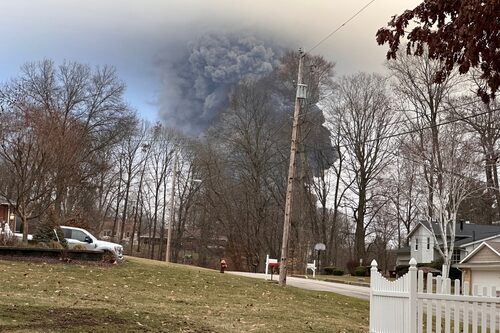
East Palestine has been under intense strain since the 2023 train derailment and chemical spill. Even after cleanup efforts, residents remain concerned about air, water, and long-term health effects. Daily life now includes monitoring updates and second-guessing what feels safe. That vigilance wears people down over time.
The town has also faced national attention that faded faster than local worries did. Some residents feel forgotten as headlines moved on. Trust in institutions has been shaken, and rebuilding that confidence is slow work. Emotional fatigue lingers long after the physical cleanup ends.
4. Flint, Michigan
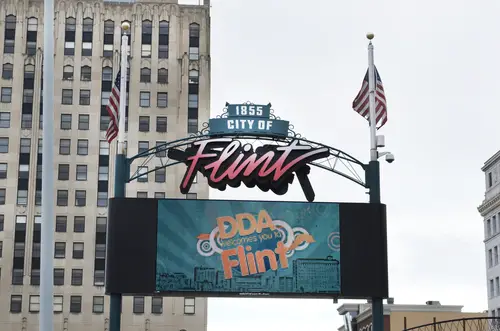
Flint’s water crisis may no longer dominate the news, but the exhaustion hasn’t disappeared. Residents spent years being told their concerns weren’t valid, and that distrust doesn’t vanish easily. Many still rely on bottled water or filters out of habit. The psychological toll of betrayal runs deep.
Economic hardship compounds that fatigue. Flint has dealt with population loss, limited job opportunities, and underfunded public services. Community groups remain active, but burnout is real among people who have been advocating for years. Resilience exists here, but it’s hard-earned and costly.
5. San Bernardino, California
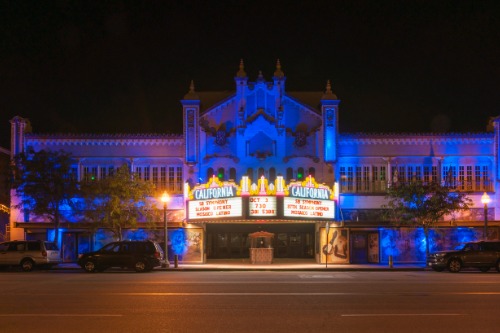
San Bernardino residents face a mix of high living costs and persistent economic insecurity. The city has one of the lowest median household incomes in the region while rents continue to rise. Long commutes are common for people working elsewhere to make ends meet. That daily grind leaves little room for rest.
The city has also struggled with public safety concerns and limited municipal resources. Residents often feel they’re paying big-city prices without big-city support. Over time, that mismatch breeds frustration and fatigue. People love their neighborhoods, but they’re tired of feeling overlooked.
6. Pine Ridge, South Dakota
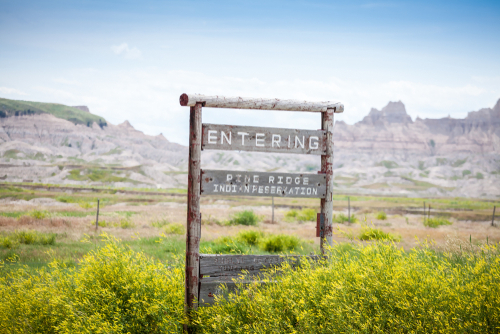
Pine Ridge Reservation deals with chronic underinvestment that affects nearly every aspect of life. Housing shortages, limited access to healthcare, and high unemployment are everyday realities. Many families juggle long travel times just to access basic services. That constant effort drains energy across generations.
Community members also carry historical trauma that hasn’t been adequately addressed. Efforts to improve conditions often rely on local leaders doing more with less. Burnout among teachers, healthcare workers, and advocates is common. The exhaustion here is both personal and deeply systemic.
7. New Orleans, Louisiana
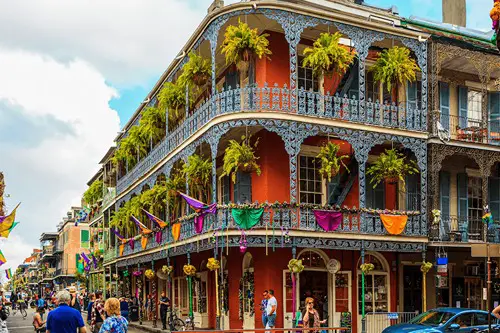
New Orleans residents are no strangers to crisis, but that familiarity comes at a cost. Hurricanes, flooding, and extreme heat have made uncertainty a regular feature of life. Each evacuation or power outage takes something out of people. Recovery cycles don’t always allow time to fully reset.
Infrastructure issues, from unreliable power to strained drainage systems, add to the strain. Many residents feel they’re constantly preparing for the next disruption. Tourism rebounds quickly, but neighborhoods often recover more slowly. That imbalance leaves locals feeling tired and taken for granted.
8. El Paso, Texas
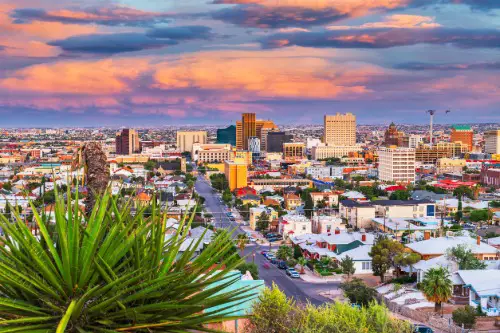
El Paso has been stretched thin by its role in responding to migrant arrivals in recent years. Shelters, nonprofits, and city services have worked nonstop to meet humanitarian needs. Residents have shown generosity, but the pace has been relentless. Compassion fatigue is a real concern.
At the same time, El Paso faces broader challenges like rising housing costs and limited healthcare access. The city’s location means federal policy shifts have immediate local impact. People feel proud of how the community responds, yet worn down by the constant pressure. Exhaustion here often hides behind resilience.
9. Paradise, California
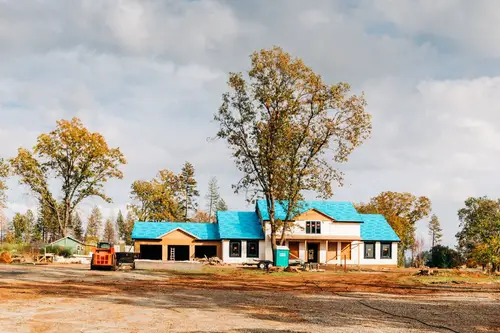
Paradise is still rebuilding after the 2018 Camp Fire destroyed most of the town. Many residents returned to lots where their homes once stood, facing years-long reconstruction. Insurance disputes and rising building costs have slowed progress. Living in limbo takes an emotional toll.
Even as structures return, the sense of loss remains. Familiar landmarks and neighbors are gone, changing how the town feels day to day. Fire risk is an ongoing worry, not a distant memory. Recovery is happening, but it’s exhausting to live inside it.
10. Baltimore, Maryland
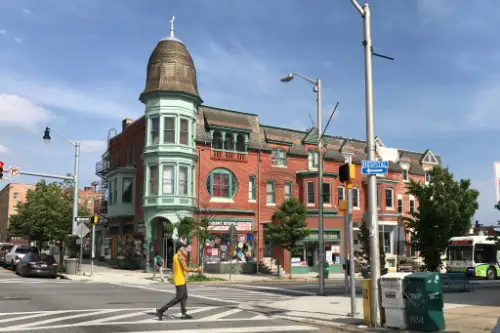
Baltimore residents navigate sharp inequalities that can make daily life feel heavy. Some neighborhoods thrive while others struggle with underfunded schools and limited access to services. Longstanding issues with policing and public trust add to the stress. It’s mentally taxing to feel your zip code shapes your future so strongly.
The city also deals with aging infrastructure and public health challenges. Community organizations do a lot of heavy lifting, often with limited resources. Residents care deeply about their neighborhoods, but advocacy fatigue is common. Progress feels incremental when needs are immediate.
11. Bakersfield, California
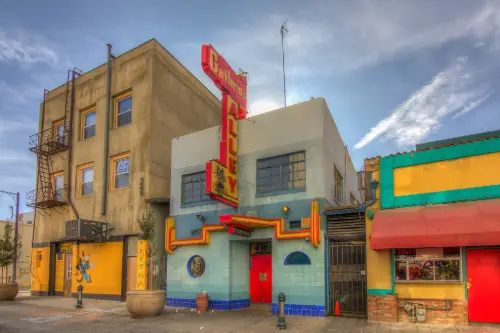
Bakersfield sits at the center of California’s agricultural economy, but many residents struggle financially. Air quality issues from farming and oil production affect daily health. Extreme heat makes outdoor work especially draining during long summers. Physical exhaustion is part of the environment.
Housing costs have risen as people move inland from coastal cities. That growth hasn’t always come with expanded services or infrastructure. Residents feel squeezed between low wages and rising expenses. Over time, that pressure wears on both bodies and morale.
12. Harlan, Kentucky
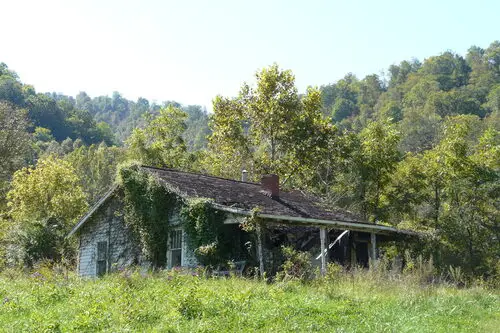
Harlan has been shaped by the long decline of the coal industry. Job losses hit hard, and replacement industries haven’t fully filled the gap. Many families face tough choices about staying or leaving. That uncertainty hangs over everyday conversations.
Healthcare access and economic opportunity remain limited in the region. Community pride is strong, but so is fatigue from trying to adapt with few resources. People are tired of being defined by decline narratives. What they want most is a chance to breathe and rebuild on their own terms.
This post These Communities Are Exhausted—and It’s Starting to Show was first published on American Charm.

