
1. Orlando
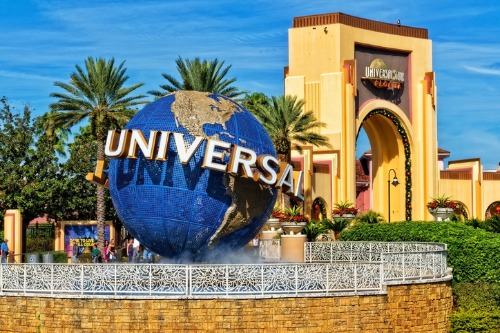
Orlando’s economy leans heavily on tourism and hospitality. Visitor-driven growth creates abundant jobs and steady construction. Yet many positions are seasonal or lower wage. Workers may juggle multiple roles without clear advancement paths.
Housing and living costs have risen alongside demand. Rent increases strain households dependent on hourly pay. Transportation adds another layer of expense for suburban commuters. The city’s expansion feels energetic, but upward mobility can be elusive.
2. Austin

Austin sells a story of nonstop tech growth, and to be fair, the cranes downtown make it feel believable. Major employers and startups continue to pour in, promising high-paying jobs and a creative lifestyle. But many residents discover that breaking into those opportunities isn’t as easy as the headlines suggest. Competition is fierce, and salaries don’t always keep pace with soaring living costs.
Housing is where the optimism often crashes into reality. Rents and home prices have climbed faster than many mid-career salaries. Longtime residents frequently report being priced out of neighborhoods they helped build. The result is a city that looks prosperous on paper while many locals feel stuck financially.
3. Denver
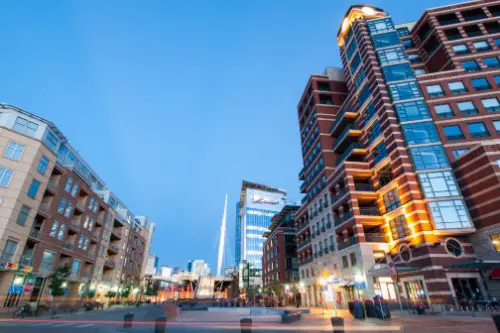
Denver attracts newcomers with its outdoor lifestyle and reputation for steady economic expansion. Industries like aerospace, healthcare, and tech provide a diverse employment base. However, mid-level workers often find that career ladders are crowded. Promotions and raises don’t always materialize as quickly as expected.
Meanwhile, housing demand has consistently outpaced supply. First-time buyers face steep entry prices compared to local median incomes. Renters report frequent increases that outstrip annual raises. That mismatch can leave residents feeling like they’re running in place financially.
4. Nashville
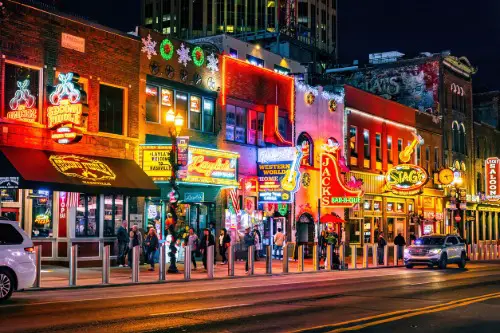
Nashville promotes itself as a booming cultural and business destination. Healthcare management, tourism, and music-related industries fuel visible growth. Still, many jobs in hospitality and entertainment offer limited long-term security. Workers can find it hard to translate hustle into stable advancement.
Rapid development has reshaped neighborhoods and budgets. Property values have surged, pushing up rents and taxes. Longtime residents often struggle to remain near their workplaces. Growth is undeniable, but it doesn’t always translate into personal financial progress.
5. Phoenix
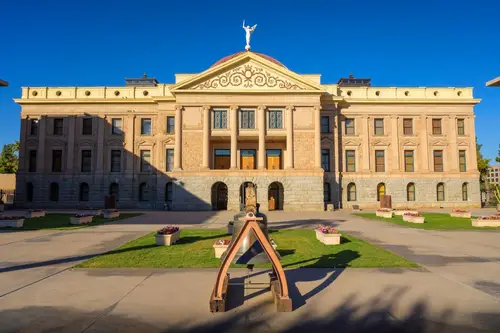
Phoenix continues to draw companies and residents with its pro-growth reputation. Manufacturing, logistics, and tech investments have expanded the job market. Yet many positions cluster in lower or mid-wage brackets. Workers can feel boxed into roles with limited upward pathways.
Heat-related infrastructure costs and suburban sprawl add financial strain. Long commutes increase transportation expenses. Housing affordability has tightened as population growth accelerates. For some residents, the city’s expansion hasn’t equaled meaningful income mobility.
6. Dallas
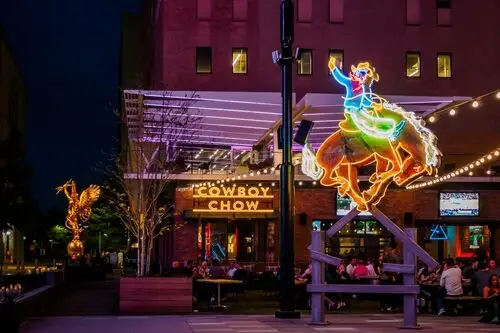
Dallas is frequently cited as a corporate relocation magnet. Finance, telecom, and logistics firms continue to scale operations there. Even so, wage polarization is a persistent issue. High earners thrive while many middle-income workers experience slower growth.
Housing used to be Dallas’s big advantage, but that gap has narrowed. Prices have risen significantly in desirable districts. Transportation costs climb as residents move farther out. The city grows wealthier overall, yet many households feel their margins shrinking.
7. Atlanta

Atlanta markets itself as a rising business capital with a diverse economy. Film production, fintech, and logistics create visible job pipelines. However, income inequality remains pronounced across neighborhoods. Advancement opportunities can feel geographically and socially uneven.
Traffic and housing pressures intensify that divide. Longer commutes eat into both time and earnings. Rent increases have outpaced wage growth in many areas. Residents often sense that opportunity exists, but access is inconsistent.
8. Charlotte
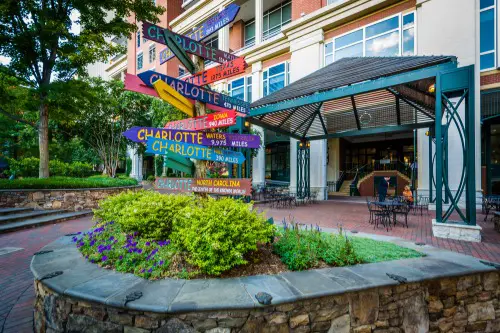
Charlotte’s banking sector anchors its image as a growth city. Financial services and energy companies offer stable employment tracks. Yet many roles outside core finance pay comparatively modest wages. Workers can struggle to transition into higher-paying tiers.
Housing demand has surged alongside population growth. Entry-level buyers face stiffer competition and rising prices. Infrastructure expansion hasn’t fully kept pace with new residents. The result is optimism mixed with everyday financial friction.
9. Salt Lake City
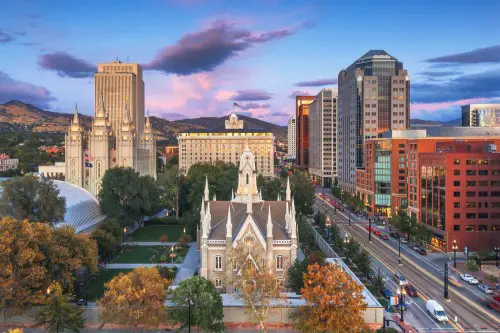
Salt Lake City boasts a fast-growing tech corridor and strong startup culture. The area attracts young professionals chasing innovation-driven careers. Still, not every newcomer lands a high-growth role. Many find themselves in support positions with slower advancement.
Housing affordability has tightened sharply in recent years. Inventory shortages push prices beyond what local wages easily support. Commuting from outer suburbs adds recurring costs. Growth is real, but personal progress can feel constrained.
10. Raleigh

Raleigh benefits from research institutions and a steady tech presence. The job market appears dynamic, especially in biotech and software. Yet entry-level and mid-tier roles often come with intense competition. Career progression can be slower than recruitment messaging suggests.
Population growth has strained the housing market. Rising rents challenge younger professionals and families alike. Infrastructure upgrades lag behind expansion in some corridors. Residents may feel the city is thriving while their budgets remain tight.
11. Tampa
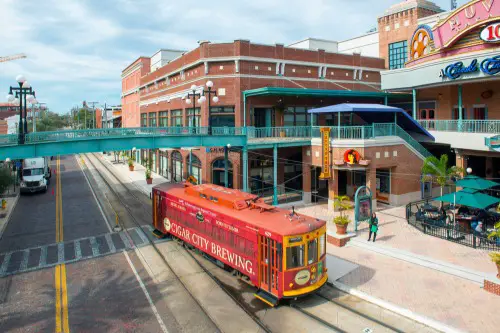
Tampa’s population boom reflects its appeal to remote workers and retirees. Finance, healthcare, and tourism drive much of the economy. However, many service-sector roles offer limited wage growth. Workers can feel stuck despite a busy job market.
Insurance costs and housing prices have risen notably. Climate-related risks influence long-term expenses. Renters frequently report sharp annual increases. The sunshine economy doesn’t always translate into upward mobility.
12. Boise
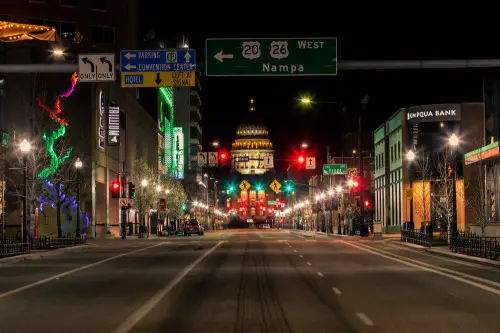
Boise transformed from a quiet regional center into a high-growth destination. Tech expansions and in-migration reshaped its labor market. Still, local wages haven’t always kept pace with the influx. Longtime residents often feel squeezed by newcomers’ buying power.
Housing affordability is a central concern. Rapid price appreciation outstripped income growth for several years. Many workers commute farther to find attainable rents. The city grows quickly, but financial comfort can lag behind.
13. Seattle
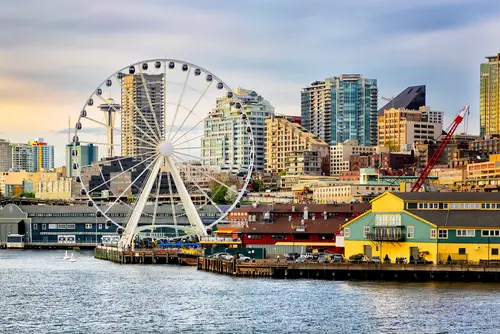
Seattle’s skyline reflects its status as a global tech hub, anchored by massive employers and a steady stream of venture funding. The city markets itself as a land of opportunity for engineers and creatives alike. Yet outside top-tier tech roles, many workers face limited upward mobility. Service and support sectors often lag behind in wage growth.
Cost pressures compound that gap. Everyday expenses, from childcare to groceries, trend well above national averages. Commutes remain long and expensive for those pushed farther from the core. For many residents, the promise of tech-driven prosperity feels unevenly distributed.
14. San Antonio

San Antonio highlights steady population growth and military-linked employment. Healthcare and logistics provide additional job stability. However, wage growth in many sectors trails national averages. Workers often report slow climbs up the income ladder.
Affordable housing has been a selling point, but pressures are mounting. Property values and rents have trended upward in key areas. Infrastructure expansion struggles to match population gains. Residents see growth around them while personal finances remain tight.
This post These 14 Cities Promise Growth—but Residents Hit Dead Ends was first published on American Charm.

