
1. San Francisco, CA

On paper, San Francisco has plenty of homes sitting on the market, especially condos downtown and in SoMa. In reality, owners are reluctant to sell at prices below their pandemic-era peaks. At the same time, buyers are cautious because tech hiring hasn’t fully rebounded and mortgage rates make already-high prices feel even steeper. The result is a city full of listings that just linger.
There’s also a strong lock-in effect at play here. Many homeowners refinanced at ultra-low interest rates and don’t want to give that up. Add in high HOA fees and concerns about downtown recovery, and movement slows even more. Homes exist, but motivation on both sides is thin.
2. Chicago, IL
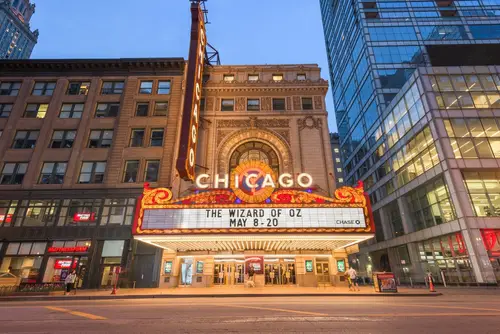
Chicago has a massive housing stock, from lakefront high-rises to long stretches of brick two-flats. Sales activity has lagged because property taxes remain a major concern for both buyers and long-time owners. Even when prices look reasonable compared to coastal cities, the monthly carrying costs can surprise people. That hesitation keeps many residents in place.
Population growth has been flat in recent years, which reduces pressure on the housing market. Without strong in-migration, there’s less urgency for homes to change hands. Some sellers list briefly, then withdraw when offers don’t meet expectations. The homes are there, but turnover isn’t.
3. Detroit, MI
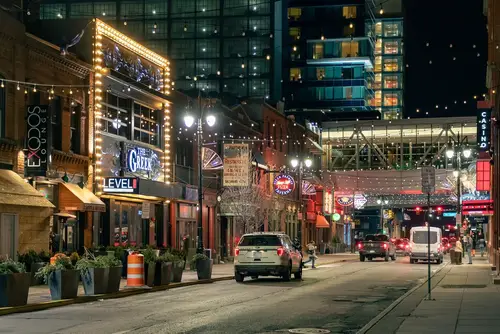
Detroit still has far more housing units than active demand in many neighborhoods. While certain downtown and midtown areas have rebounded, large parts of the city remain oversupplied. Buyers tend to focus on a small number of revitalized pockets, leaving other homes untouched. That imbalance keeps overall movement low.
Many longtime residents also own their homes outright. With low or no mortgage payments, there’s little financial incentive to sell. Renovation costs and uncertainty about resale value add another layer of hesitation. As a result, homes sit while owners stay put.
4. Cleveland, OH
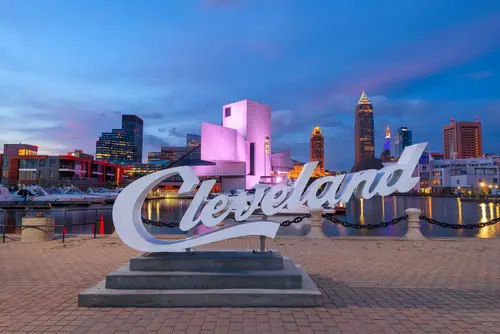
Cleveland has a deep inventory of older single-family homes built for a larger population than it has today. Prices remain relatively affordable, but demand hasn’t caught up to supply. Job growth has been steady rather than explosive, which limits incoming buyers. That keeps sales activity modest.
Aging homeowners play a big role here. Many have lived in the same house for decades and see no urgency to move. Downsizing options are limited, which further reduces turnover. The housing stock exists, but mobility doesn’t.
5. St. Louis, MO
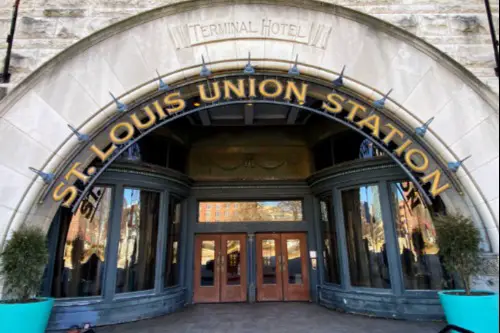
St. Louis is another city with a housing footprint designed for more people than currently live there. Brick homes line entire neighborhoods with minimal buyer competition. While prices are affordable, population growth has been slow. That lack of pressure keeps homes from changing hands quickly.
Mortgage lock-in matters here as well. Owners who refinanced before rates rose are hesitant to trade up or relocate. Some sellers list experimentally and then pull back. The market feels full, yet static.
6. Baltimore, MD
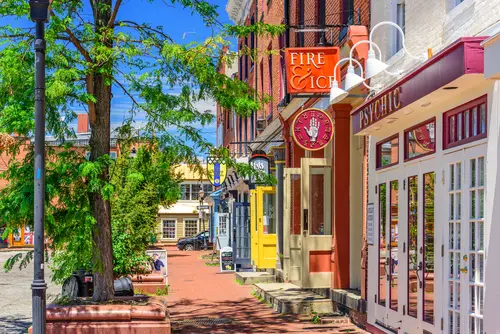
Baltimore has thousands of rowhouses spread across neighborhoods with very different demand levels. Strong interest in a few areas contrasts with weak demand elsewhere. That unevenness creates the impression of plenty of housing with little movement. Buyers cluster, leaving other listings untouched.
Longstanding issues like vacancy rates and neighborhood disinvestment weigh on decisions. Some owners hold properties waiting for conditions to improve. Others can’t sell for enough to justify moving. The result is inventory without velocity.
7. Pittsburgh, PA

Pittsburgh’s housing stock grew during its industrial peak and never fully adjusted downward. Many homes remain occupied by aging residents who bought decades ago. With prices still relatively low, there’s little urgency to cash out. That keeps turnover muted.
Job growth has been stable but not rapid. Without large inflows of new residents, demand stays contained. Renovation costs also deter buyers from older properties. Homes exist, but transitions are slow.
8. Memphis, TN
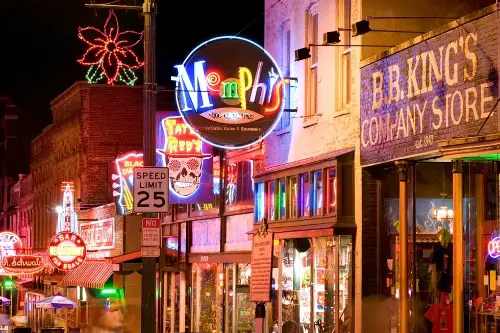
Memphis has added housing steadily while population growth has been uneven. Certain neighborhoods see strong interest, but others lag significantly. Investors hold a sizable portion of the housing stock, especially single-family rentals. That reduces traditional owner-occupied turnover.
Many homeowners are locked into low mortgage payments. Rising insurance and maintenance costs discourage selling and rebuying. Buyers remain selective, focusing on limited areas. The city ends up with plenty of homes and limited movement.
9. Birmingham, AL

Birmingham has a large supply of older homes relative to its population size. Demand hasn’t kept pace, particularly outside a few revitalized districts. Prices are affordable, but economic growth remains gradual. That tempers buyer urgency.
Longtime homeowners dominate many neighborhoods. With little pressure to relocate, listings appear sporadically and linger. New construction is modest, adding to the sense of stasis. Homes are available, but momentum is lacking.
10. Jackson, MS

Jackson’s housing stock reflects decades of population decline. Many homes remain occupied, but turnover is minimal. Limited job growth and infrastructure challenges suppress buyer demand. That keeps listings from moving quickly.
Owners often stay because selling wouldn’t significantly improve their financial situation. Investors focus selectively, leaving many homes untouched. The market feels full but frozen. Movement is the exception, not the rule.
11. New Orleans, LA
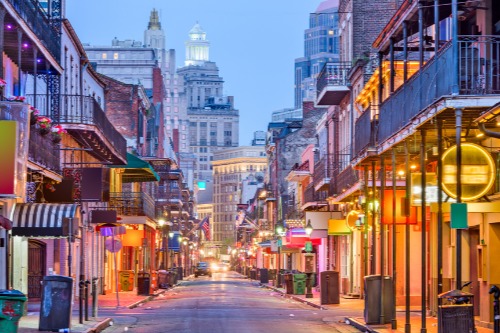
New Orleans has a surprising amount of housing inventory when short-term rentals are excluded. Insurance costs and hurricane risk weigh heavily on buyer decisions. That slows transactions even when homes are available. Sellers often wait longer for serious offers.
Many residents have deep roots in their neighborhoods. Emotional attachment and rising replacement costs discourage moving. Seasonal demand adds inconsistency to the market. Homes exist, but churn is limited.
12. New York City, NY

New York City has tens of thousands of apartments for sale, particularly condos. Yet high prices combined with elevated mortgage rates keep buyers cautious. Many owners are holding out for better market conditions. That creates visible inventory with muted activity.
Renting remains competitive, reducing pressure to buy. Co-op rules and high monthly fees add friction to transactions. Owners with low-rate mortgages are especially reluctant to sell. The result is availability without urgency.
13. Philadelphia, PA

Philadelphia has a broad housing supply, especially in rowhouse-heavy neighborhoods. Demand varies sharply by area, leaving many homes sitting longer than expected. Property taxes and school quality concerns influence buyer decisions. That slows turnover citywide.
Longtime ownership is common, particularly outside the urban core. Sellers often test the market cautiously. Buyers move selectively rather than broadly. Homes are plentiful, but movement is measured.
This post These Cities Are Packed With Homes—but No One’s Moving was first published on American Charm.

