
1. Portland
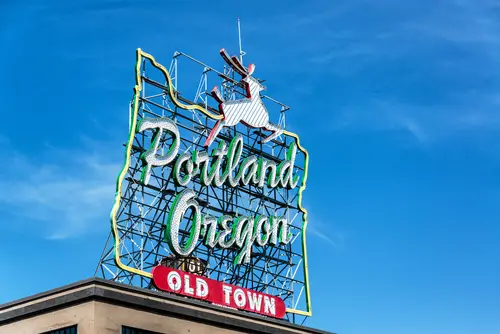
Portland’s struggles have been both economic and existential. Downtown foot traffic and small businesses were hit hard by pandemic closures and prolonged protests. Many locals feel the city lost its sense of optimism and cohesion over the last few years. A reset in 2026 represents a chance to reclaim Portland’s identity.
The city is also navigating a transition in governance, with recent changes to its form of government reshaping how decisions get made. That restructuring has created uncertainty but also opportunity. Supporters believe clearer accountability could lead to more effective responses to homelessness and public safety. If 2026 brings smoother implementation, Portland could finally turn a corner.
2. San Francisco
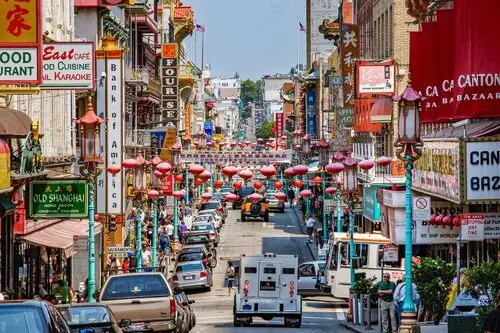
San Francisco is still trying to climb out of a post-pandemic funk that hit its downtown especially hard. Office vacancy remains high, and the city’s tax base has been strained by remote work and tech layoffs. Residents and leaders alike are hoping 2026 brings a clearer path to reviving the Financial District and Market Street. There’s a sense that the city needs a psychological reset as much as an economic one.
Public safety and visible street conditions have also weighed on San Francisco’s reputation. While some crime categories have improved, concerns about retail theft and homelessness continue to dominate local conversation. Voters have shown a willingness to rethink leadership and policy approaches in recent elections. A calmer, more stable 2026 could help rebuild confidence among businesses and residents who are on the fence about staying.
3. Los Angeles
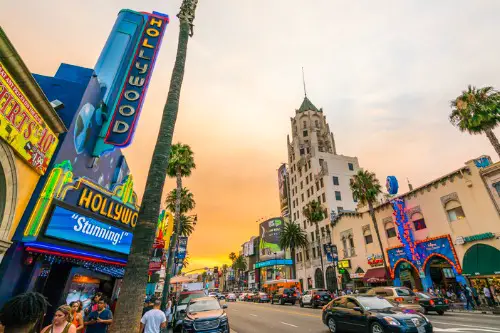
Los Angeles is grappling with a scale problem that feels overwhelming even by its own standards. Homelessness remains the most visible crisis, despite massive spending and new housing initiatives. The city is hoping that by 2026, more projects currently in the pipeline will finally come online. Angelenos want proof that the system can deliver results, not just plans.
At the same time, LA is preparing for global attention with the 2026 World Cup and the 2028 Olympics on the horizon. Infrastructure upgrades, transit improvements, and public safety coordination are under intense scrutiny. A reset year would give the city momentum heading into that spotlight. The hope is that 2026 marks a turning point where progress becomes tangible and widely felt.
4. Seattle
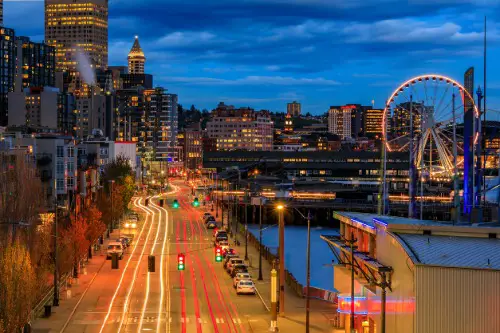
Seattle is feeling the aftershocks of the tech industry’s slowdown. Major employers have cut jobs or paused expansion, which has rippled through the local economy. Downtown Seattle, once buoyed by daily office workers, is still finding its footing. A reset year would ideally stabilize both employment and commercial real estate.
The city is also balancing growth with livability concerns. Housing affordability, encampments, and transit reliability are constant topics at City Hall meetings. Voters have sent mixed signals, asking for compassion alongside more order. Seattle is hoping 2026 delivers clearer results from policies that are already in motion.
5. Oakland
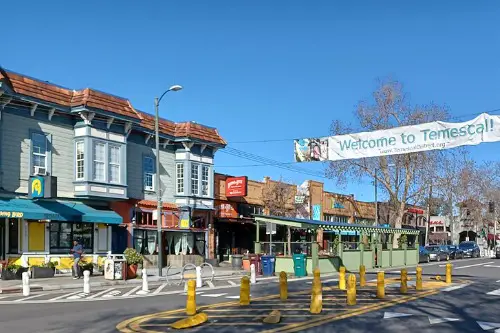
Oakland’s challenges are deeply tied to finances and public trust. The city has faced budget shortfalls that forced painful cuts and tough negotiations with unions. High-profile business closures and departures have fueled anxiety about the local economy. A reset is badly needed to restore confidence in city leadership.
Public safety has been another flashpoint. Residents have voiced frustration with response times and crime trends, especially property crime. At the same time, there’s strong community engagement and activism pushing for smarter solutions. Many in Oakland see 2026 as a make-or-break year for proving the city can stabilize and plan for the future.
6. Chicago
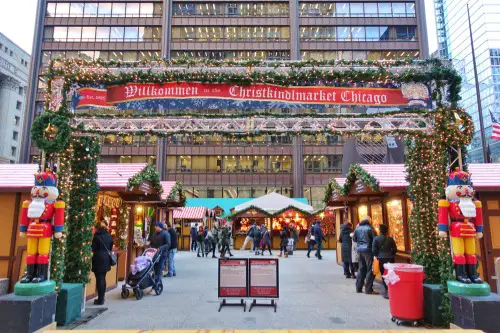
Chicago is managing big-city problems with uniquely big-city stakes. The city’s finances are under constant scrutiny due to pension obligations and long-term debt. While recent budgets have avoided worst-case scenarios, there’s little room for complacency. A 2026 reset would ideally mean more sustainable fiscal footing.
Crime and public safety remain central concerns for many neighborhoods. Progress has been uneven, with some areas seeing improvements and others still struggling. Chicagoans are pragmatic and used to tough headlines, but patience isn’t unlimited. A calmer, more predictable year could help shift the narrative in a positive direction.
7. New York City
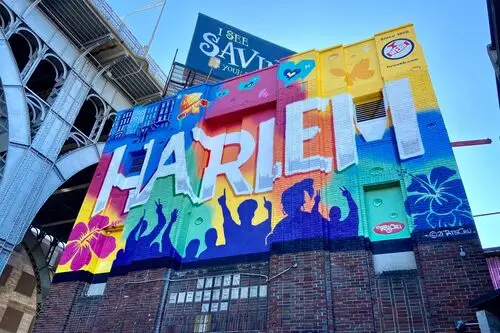
New York City is still recalibrating after the pandemic reshaped how people live and work. Office attendance is improving but remains below pre-2020 levels in many sectors. The city’s budget has also been strained by new demands, including housing and services for migrants. Leaders are hoping 2026 brings a more balanced equation.
Quality-of-life issues are again front and center for New Yorkers. Subway safety, housing costs, and street conditions dominate local debates. The city thrives on momentum, and recent years have felt halting. A reset year would help reestablish the sense that New York is confidently moving forward again.
8. Detroit
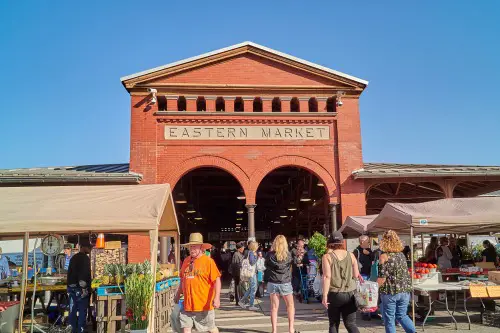
Detroit’s story has long been one of comeback and caution. The city has made real progress since bankruptcy, including downtown investment and population stabilization in some neighborhoods. Still, challenges around services, schools, and infrastructure persist. A 2026 reset could solidify gains that still feel fragile.
The auto industry’s transition to electric vehicles adds another layer of uncertainty. Detroit is central to that shift, but the economic benefits are uneven and evolving. Residents want assurance that new investment translates into broad opportunity. A steadier year could help align growth with everyday realities.
9. St. Louis
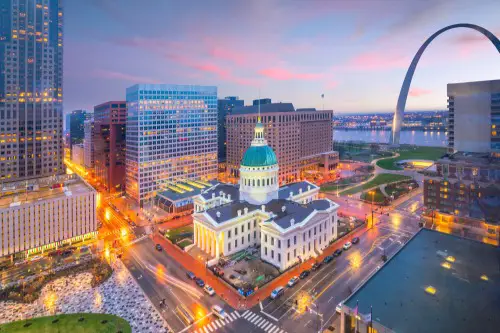
St. Louis continues to wrestle with population loss and regional fragmentation. The divide between the city and surrounding counties complicates everything from tax revenue to public services. Efforts to revitalize downtown have faced setbacks in recent years. A reset in 2026 could renew focus on long-term cooperation.
Public safety perceptions have also hurt St. Louis’s national image. While crime trends fluctuate, reputation lags behind reality in many cases. Local leaders are pushing redevelopment projects tied to sports, research, and healthcare. The hope is that 2026 brings measurable progress people can point to with pride.
10. New Orleans
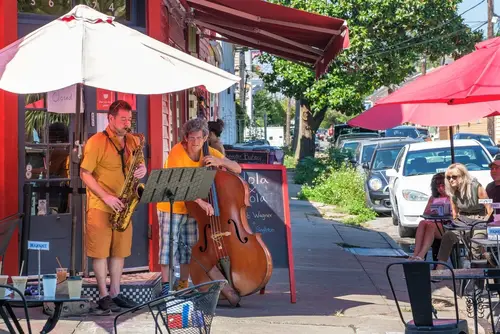
New Orleans is under constant pressure from forces both human and natural. Infrastructure issues, from power reliability to road conditions, have tested residents’ patience. Hurricane risk and rising insurance costs add to the stress of daily life. A reset year would feel like a rare exhale.
The city’s economy depends heavily on tourism and hospitality. While visitors have returned, staffing shortages and affordability issues remain. Locals want to see benefits spread beyond the French Quarter. A stronger, more stable 2026 could help New Orleans feel less precarious.
11. Baltimore
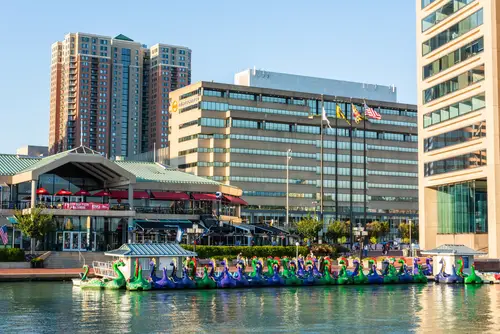
Baltimore is searching for sustained momentum after years of fits and starts. Investment has flowed into certain areas, particularly around the waterfront and biotech hubs. Yet many neighborhoods still feel left out of the recovery. A reset would mean closing that gap.
Public safety and trust in institutions remain sensitive topics. Reform efforts are ongoing, but results take time to show. Residents are deeply invested in the city’s future, even when frustration runs high. 2026 represents a chance for Baltimore to show consistency instead of churn.
12. Austin

Austin’s rapid growth has created as many problems as opportunities. Housing costs have surged, pushing many longtime residents to the edges or out entirely. Traffic and infrastructure are struggling to keep up with population gains. A reset year could help recalibrate growth at a more livable pace.
The tech sector’s cooling has also changed the city’s mood. Austin is still a hub, but expectations are more tempered than a few years ago. City leaders are trying to balance innovation with stability. By 2026, residents hope the boom-and-bust feeling has settled into something sustainable.
13. Phoenix
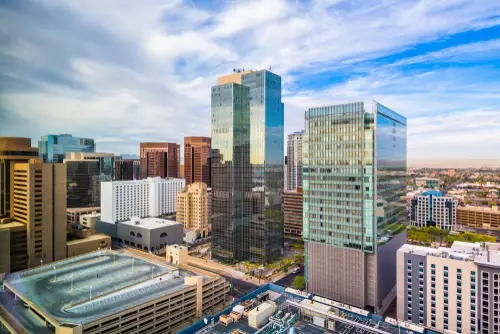
Phoenix is confronting the realities of growth in the desert. Water supply and long-term sustainability are no longer abstract concerns. Housing development has been intense, sometimes outpacing infrastructure. A reset would mean smarter, more deliberate planning.
The metro area has also seen rising housing costs and increased strain on public services. Phoenix has benefited from in-migration, but that comes with growing pains. Leaders are working to align economic development with environmental limits. A successful 2026 could set the tone for the region’s next decade.
This post These Cities Are Desperately Hoping 2026 Brings a Reset was first published on American Charm.

