1. Austin, Texas
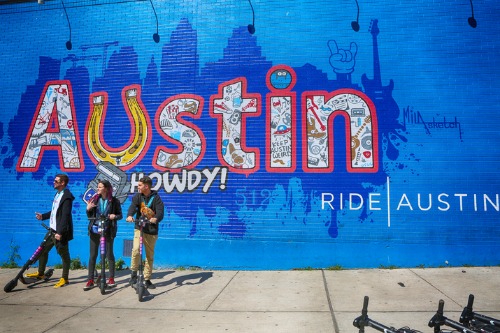
Austin still has a national reputation as a cheaper alternative to California tech hubs. The reality hits after arrival when rents escalate rapidly, especially anywhere near downtown or major employers. Texas property taxes are among the highest in the U.S., and those costs get passed down even to renters. Add soaring utility bills during long, intensely hot summers, and monthly expenses inflate fast.
Day-to-day living quietly drains budgets in unexpected ways. Traffic congestion increases gas costs and pushes many residents into longer commutes from cheaper suburbs. Dining out and live music, once relatively affordable, now come with big-city price tags. Austin can still be livable, but it’s no longer forgiving if your income stalls.
2. Boise, Idaho
Boise is frequently described as an affordable outdoor-lover’s paradise. Housing prices, however, jumped far ahead of local wage growth over the last decade. Renters face tight inventory, limited older housing, and competition from remote workers with higher salaries. What looks reasonable compared to coastal cities feels steep once you’re earning local pay.
Living costs beyond rent don’t offer much relief. Utilities rise sharply in winter, especially in older homes with inefficient heating. Childcare, healthcare, and dining costs have all increased as population growth outpaced infrastructure. Boise isn’t overpriced by national standards, but it punishes anyone who expected “cheap.”
3. Nashville, Tennessee

Nashville’s lack of state income tax makes it sound instantly affordable. That advantage fades when you encounter fast-rising rents driven by tourism and corporate relocations. Many new developments are luxury apartments, pulling average prices upward across entire neighborhoods. High sales taxes further increase everyday spending.
Tourism pricing bleeds into daily life more than newcomers expect. Parking fees, entertainment costs, and even neighborhood restaurants cater to visitors rather than residents. Public transportation is limited, making car ownership almost mandatory. The city’s fun factor often comes bundled with a surprisingly heavy price tag.
4. Tampa, Florida
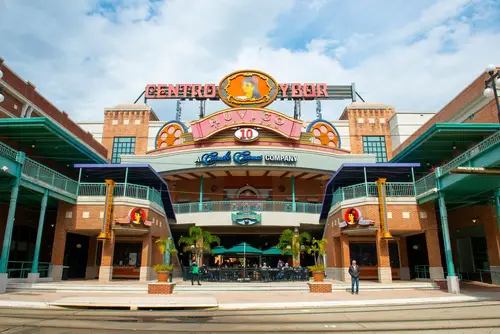
Tampa draws people in with sunshine, beaches, and no state income tax. Housing costs often rise quickly after arrival, especially when factoring in insurance premiums. Flood and hurricane insurance can significantly increase monthly housing expenses. Even renters feel the impact as landlords pass along those costs.
Daily expenses add up faster than expected. Utility bills spike during long, humid summers due to constant air conditioning use. Traffic congestion increases fuel and maintenance costs. Tampa may look affordable on paper, but climate-related expenses quietly erode savings.
5. Phoenix, Arizona
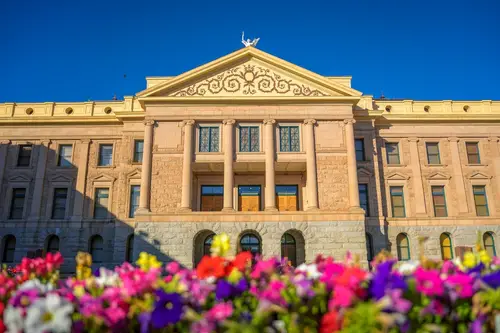
Phoenix used to be synonymous with affordable desert living. Rapid population growth and limited housing supply have driven rents and home prices sharply upward. Many newcomers are surprised by how competitive the rental market has become. Housing costs now rival cities with much higher average wages.
The climate itself becomes a financial factor. Summer electricity bills can be extreme due to nonstop air conditioning. Water costs are rising amid long-term drought concerns. What starts as a cheap move can turn into a high-overhead lifestyle.
6. Raleigh, North Carolina
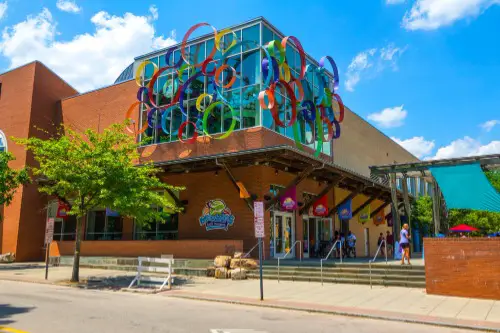
Raleigh is often pitched as an affordable tech and education hub. Housing demand has surged faster than construction, tightening the rental market. Many newer units target higher-income professionals, leaving fewer budget-friendly options. Wages haven’t fully kept pace with the cost of living increase.
Other expenses compound the problem. Car ownership is essential due to limited transit coverage. Childcare and healthcare costs are higher than many expect for a mid-sized Southern city. Raleigh still offers value, but not the bargain many newcomers anticipate.
7. Denver, Colorado
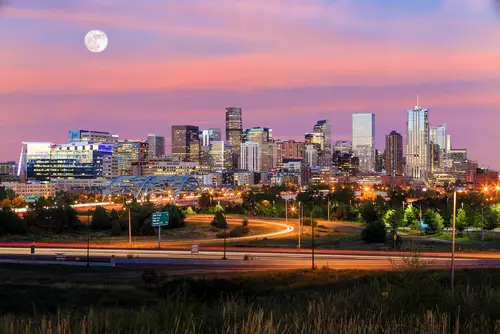
Denver’s outdoorsy reputation and strong job market attract waves of new residents. Housing prices climbed dramatically, especially near transit lines and downtown. Even modest apartments often come with premium pricing. The cost jump surprises people relocating from similarly sized cities.
Everyday costs stay elevated once you settle in. Utilities rise in winter due to heating needs, and parking costs add up quickly. Dining and entertainment prices reflect a city catering to affluent transplants. Denver delivers lifestyle perks, but they come at a financial premium.
8. Salt Lake City, Utah
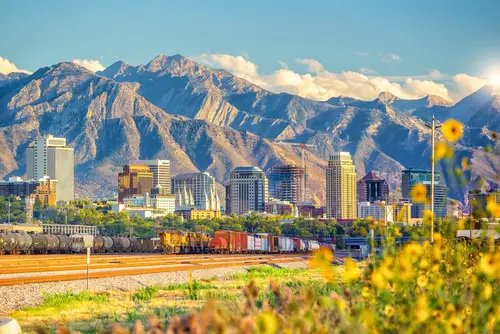
Salt Lake City often gets labeled as affordable compared to coastal metros. Housing demand surged as tech companies expanded and remote workers arrived. Rent increases outpaced wage growth, shrinking affordability for newcomers. Entry-level housing is particularly hard to find.
Other costs reinforce the squeeze. Utilities fluctuate sharply between hot summers and cold winters. Transportation costs rise since sprawl pushes many residents into longer commutes. Salt Lake City isn’t overpriced, but it’s no longer forgiving on a tight budget.
9. Missoula, Montana
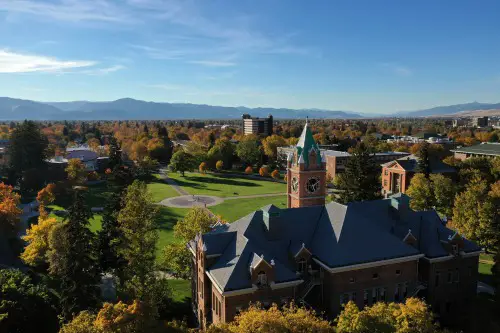
Missoula feels like a small-town escape with a lower cost of living. Housing scarcity has driven prices upward, especially for rentals near downtown. Many jobs pay regional wages that don’t match housing inflation. Newcomers often underestimate how tight the market really is.
Everyday expenses reflect isolation and growth pressure. Grocery prices run higher due to transportation costs. Winter heating bills can be substantial. Missoula’s charm remains, but affordability is no longer guaranteed.
10. Bend, Oregon

Bend is often described as an affordable mountain town alternative to Portland or Seattle. In reality, housing prices soared as demand outpaced supply. Short-term rentals reduced long-term housing options, especially for renters. Local wages struggle to support current housing costs.
Living costs beyond rent are also elevated. Utilities increase during cold winters, and groceries cost more due to limited competition. Dining and recreation pricing cater to tourists. Bend can feel financially brutal if you’re not arriving with a high income.
11. Charleston, South Carolina
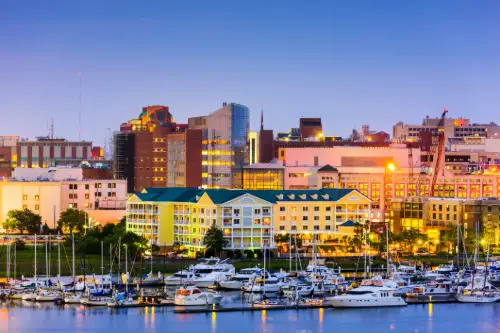
Charleston’s historic charm makes it seem like a relaxed, affordable coastal city. Housing costs rise quickly once you factor in flood risk and insurance premiums. Limited space and preservation rules restrict new housing supply. Renters face rising prices with few alternatives.
Other expenses quietly stack up. Tourism drives up restaurant and parking prices. Commuting costs rise if you live farther inland to save on rent. Charleston is beautiful, but living there isn’t the bargain many expect.
12. Reno, Nevada
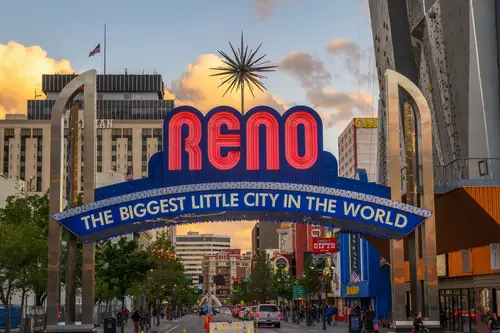
Reno markets itself as a cheaper alternative to California with no state income tax. Housing prices surged as Bay Area workers relocated east. Rents rose faster than local wages, squeezing long-term affordability. Inventory remains tight for entry-level renters.
Daily expenses reinforce the strain. Utilities climb in both winter and summer due to temperature extremes. Car ownership is essential, adding insurance and fuel costs. Reno can still undercut California prices, but it’s far from cheap living.
This post These ‘Cheap’ Towns Turn Financially Brutal After You Arrive was first published on American Charm.