
1. Bakersfield, California
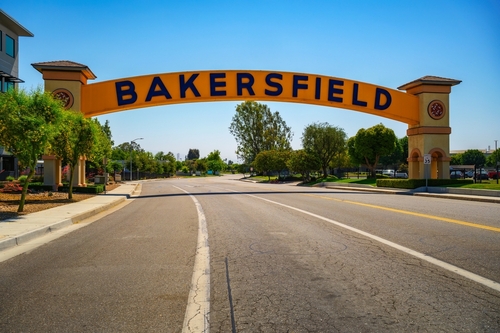
Bakersfield sits in the southern San Joaquin Valley, where geography traps pollution and regularly earns the region poor air-quality rankings. Summers are brutally hot, often topping 100 degrees for days at a time, which limits the outdoor California lifestyle people expect. The economy leans heavily on oil, gas, and agriculture, industries that don’t come with much glamour. When people brag about California, they usually mean the coast, not this dusty inland hub.
That said, Bakersfield is very good at quietly feeding the country, thanks to surrounding farmland. Housing costs are lower than in most of the state, which is a practical win that doesn’t make postcards. The music scene has deep roots, including the Bakersfield Sound that shaped country music history. It makes this list because it’s essential, hardworking, and rarely celebrated for it.
2. Gary, Indiana
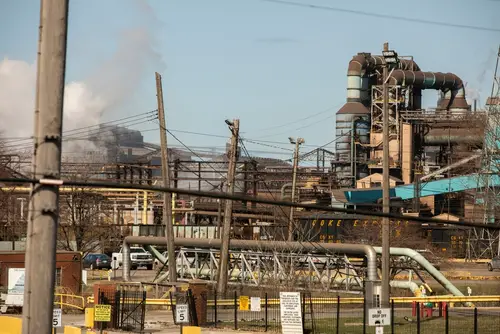
Gary was built as a steel town, and when the mills declined, the population followed, dropping dramatically from its mid-20th-century peak. Large stretches of the city are marked by vacant buildings and abandoned infrastructure that outsiders fixate on. Its reputation has been shaped more by decline than by daily life. Few people boast about visiting a place known nationally for what it used to be.
Still, Gary sits right on Lake Michigan with real shoreline access that surprises first-time visitors. The city has produced major cultural figures, including musicians and athletes, despite limited resources. Community groups continue working to stabilize neighborhoods and repurpose old structures. Gary belongs here because its story is more complex than its reputation, but the bragging rights never caught up.
3. Youngstown, Ohio
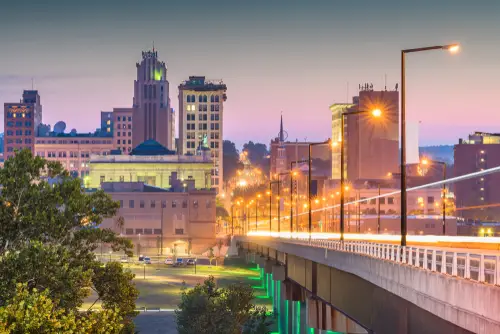
Youngstown became shorthand for Rust Belt collapse after the steel industry shut down in the 1970s. The city lost tens of thousands of residents, leaving behind empty factories and shrinking neighborhoods. National media often use it as an example of industrial decline. That’s not exactly something people drop into casual conversation with pride.
What gets overlooked is how deeply organized the community is around recovery and reinvention. Local universities, hospitals, and nonprofits are the backbone of today’s economy. The food culture, especially Italian-American staples, is fiercely defended by locals. Youngstown earns its spot here because it’s defined externally by loss, not by how people actually live there now.
4. Fresno, California

Fresno is one of the largest cities in California, yet it’s rarely mentioned outside the state. Extreme heat, flat terrain, and air quality issues dominate daily life for much of the year. It lacks the instant visual appeal people associate with California destinations. Being centrally located doesn’t help when you’re surrounded by farmland instead of beaches.
At the same time, Fresno is a gateway to national parks like Yosemite, Sequoia, and Kings Canyon. The city supports a diverse population tied closely to agriculture and food production. It’s a place where logistics and labor matter more than image. Fresno makes the list because it plays a huge role without earning much admiration.
5. Camden, New Jersey
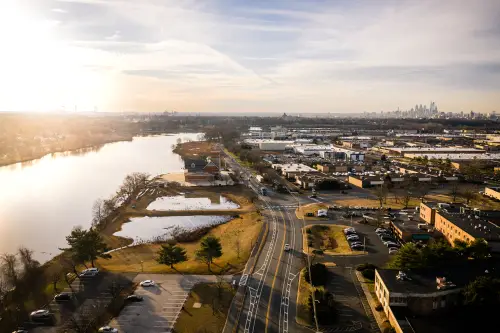
Camden’s struggles with poverty and crime have defined its public image for decades. Once a thriving industrial city, it suffered severe job losses and population decline in the late 20th century. Headlines tend to focus on statistics rather than people. That makes it a place most Americans recognize but few brag about knowing.
Yet Camden sits directly across the river from Philadelphia with unbeatable skyline views. Anchor institutions like universities and hospitals have brought steady employment. Community investment has increased, even if progress is uneven. Camden belongs here because its reputation lags far behind its slow, real changes.
6. Stockton, California
Stockton gained national attention during the housing crisis when it became one of the largest U.S. cities to declare bankruptcy. High unemployment and crime rates shaped its narrative for years. The city is often lumped into broader discussions about California’s affordability problems. That’s not the kind of notoriety people enjoy claiming.
But Stockton is one of the most ethnically diverse cities in the country. Its location along the San Joaquin Delta gives it historic waterways and shipping routes. The port remains an economic engine that quietly moves goods. Stockton earns its place because it’s functional and important, just not flashy.
7. Pine Bluff, Arkansas
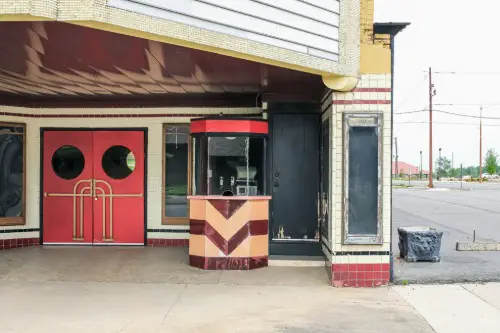
Pine Bluff has seen steady population decline as manufacturing and agriculture jobs disappeared. Poverty rates are high, and infrastructure has struggled to keep up. It’s often overshadowed by larger Southern cities nearby. For many Americans, it barely registers at all.
Still, Pine Bluff has deep ties to Arkansas’s agricultural economy. The cost of living is low, and homeownership is attainable for many residents. Cultural institutions preserve local Black history and heritage. Pine Bluff makes the list because it’s quietly enduring without outside praise.
8. Flint, Michigan
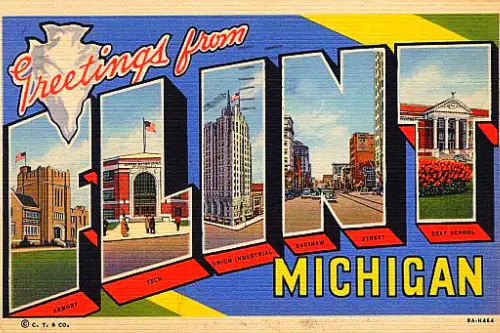
Flint’s name became nationally known due to the water crisis, which still shapes public perception. That single issue overshadowed decades of history tied to the auto industry. Population loss and distrust in government left lasting scars. It’s not a place people casually brag about being from.
However, Flint has a strong network of activists, artists, and educators. The city’s automotive legacy remains significant to American industrial history. Local organizations continue rebuilding systems piece by piece. Flint belongs here because it’s known for crisis, not for its resilience.
9. Trenton, New Jersey
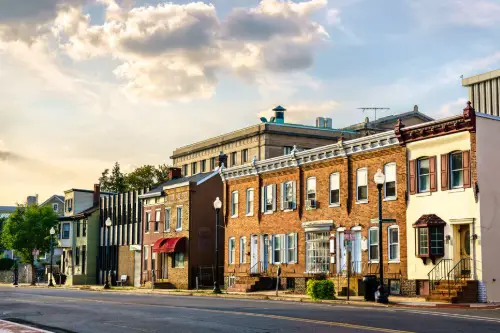
As New Jersey’s capital, Trenton should have more visibility than it does. Instead, it’s known for economic challenges and underinvestment. Government jobs didn’t protect it from broader urban decline. Its slogan, “Trenton Makes, the World Takes,” feels more historical than current.
Trenton still plays a vital role in state politics and administration. Its location between New York City and Philadelphia is strategically valuable. Historic neighborhoods show glimpses of architectural pride. Trenton makes this list because it carries responsibility without recognition.
10. Merced, California
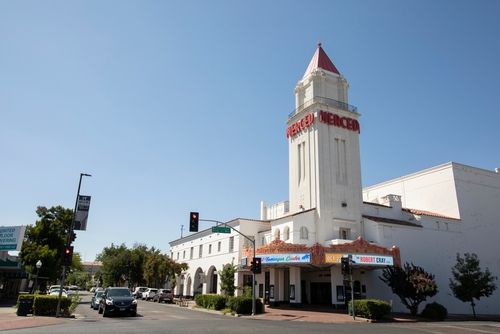
Merced sits in the Central Valley and is often dismissed as a pass-through town. Agricultural dependence and limited industry kept wages low for years. Extreme summer heat doesn’t help its appeal. It’s rarely anyone’s bragging destination.
The city gained prominence with the opening of UC Merced. That campus has reshaped the local economy and population. Merced also supports surrounding farming communities. It belongs here because its transformation is real but rarely acknowledged.
11. Decatur, Illinois
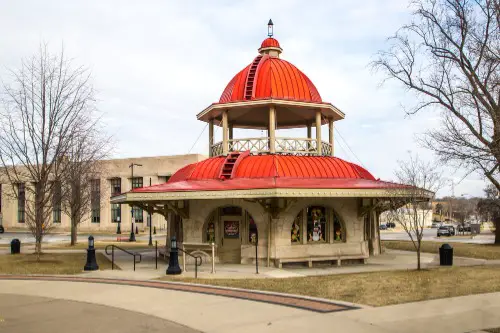
Decatur was once a manufacturing powerhouse anchored by major food-processing companies. Job losses hit hard, shrinking the population and tax base. The city struggles with aging infrastructure and limited growth. It doesn’t fit the Midwest success narrative people like to share.
At the same time, Decatur remains an agricultural logistics hub. Its location near rail and highways still matters. The city supports a stable, if modest, local economy. Decatur earns its place because it’s functional without flash.
12. Niagara Falls, New York
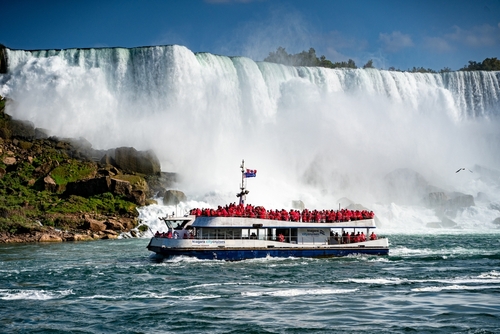
The waterfalls themselves get all the bragging rights, not the city around them. Economic decline set in after industrial jobs left the area. Tourism revenue hasn’t fully translated into broad prosperity. Visitors often leave without seeing much beyond the falls.
The city still supports cross-border trade and hydroelectric power. Historic neighborhoods reflect its industrial past. Local residents live with a global attraction in their backyard. Niagara Falls makes the list because the landmark outshines the place.
13. El Centro, California

El Centro sits in the Imperial Valley near the Mexican border, far from major cities. Summer temperatures regularly exceed 110 degrees, making it one of the hottest places in the country. Agriculture dominates the economy, leaving few alternative industries. It’s rarely part of the California dream conversation.
Yet El Centro is critical to food production and cross-border commerce. Its proximity to Mexico shapes daily life and culture. Housing remains relatively affordable by state standards. El Centro belongs here because it does vital work without applause.
This post These Are the Places in America Nobody Brags About was first published on American Charm.

