
1. South Bronx, New York

The South Bronx has some of the highest rates of asthma, diabetes, and heart disease in the nation. Dense population and poverty levels drive heavy reliance on public hospitals. Emergency rooms are frequently overcrowded. Environmental factors like air pollution worsen health outcomes.
Primary care clinics struggle to keep up with demand. Housing insecurity and food access issues complicate disease management. Mental health needs are high, but provider availability is limited. Healthcare systems here operate under constant strain.
2. Eastern Kentucky, Appalachia

Eastern Kentucky’s healthcare strain is shaped by both geography and economics. Mountainous terrain makes it difficult to build hospitals and recruit providers, especially specialists. Many counties are federally designated health professional shortage areas for primary care, mental health, and dentistry. Residents also experience higher rates of disability and chronic disease.
Coal industry decline has reduced employer-sponsored insurance options in the region. Rural hospitals operate on razor-thin margins and face frequent closure threats. Substance use disorder, particularly opioid addiction, places heavy demand on limited treatment resources. Mental health services are especially scarce despite high need.
3. South Texas Border Region
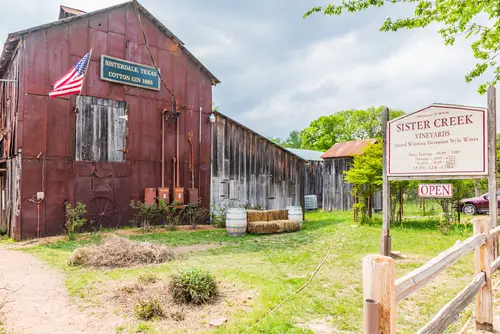
Communities along the South Texas border face unique healthcare challenges tied to income and insurance gaps. The region has one of the highest uninsured rates in the country, particularly among working adults. Primary care shortages mean residents rely heavily on emergency rooms for routine needs. Chronic diseases like diabetes and obesity are prevalent.
Language barriers and immigration concerns can discourage people from seeking care early. Safety-net clinics and federally qualified health centers are often overwhelmed. Specialty care frequently requires travel to larger cities like San Antonio or Houston. These delays contribute to worse outcomes for otherwise manageable conditions.
4. Central Valley, California

California’s Central Valley is an agricultural powerhouse but a healthcare desert in many areas. Rapid population growth has outpaced the expansion of hospitals and clinics. Many rural counties have too few doctors per capita, especially specialists. Farmworker populations face higher exposure to environmental health risks.
Low wages and seasonal employment limit access to consistent insurance coverage. Emergency departments serve as a primary care substitute for many residents. Air pollution contributes to higher rates of asthma and respiratory illness. Healthcare systems here are strained by volume, complexity, and underinvestment.
5. Navajo Nation, Arizona and New Mexico

The Navajo Nation experiences severe healthcare strain rooted in geography and historical underfunding. Many residents live far from hospitals, with limited public transportation options. The Indian Health Service facilities that serve the area are chronically under-resourced. Provider shortages are common across nearly all specialties.
Chronic conditions such as diabetes and kidney disease are widespread. Infrastructure challenges, including limited broadband and water access, complicate care delivery. Emergency response times can be dangerously long in remote areas. These systemic barriers make consistent, preventive healthcare difficult to achieve.
6. Rural Alabama Black Belt

Alabama’s Black Belt region faces overlapping healthcare and socioeconomic challenges. High poverty rates and a shrinking rural population have led to repeated hospital closures. Many counties lack obstetric services, forcing pregnant women to travel hours for care. Primary care access is limited and uneven.
Chronic diseases like hypertension and stroke are prevalent in the region. Transportation barriers make routine appointments difficult, especially for older adults. Clinics struggle to stay open due to low reimbursement rates. The healthcare system is strained by both high need and limited capacity.
7. South Florida Safety-Net Communities

South Florida’s healthcare strain is concentrated in low-income urban and immigrant neighborhoods. Safety-net hospitals serve large uninsured and underinsured populations. Emergency departments are often overcrowded with patients seeking basic care. Housing instability and cost-of-living pressures complicate treatment adherence.
The region also has a large elderly population with complex medical needs. Language diversity increases demand for culturally competent care. Behavioral health services are in short supply relative to need. Providers face burnout as patient volumes continue to rise.
8. Native Hawaiian and Pacific Islander Communities, Hawaii
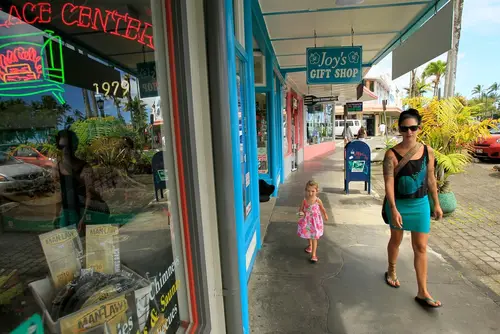
Native Hawaiian and Pacific Islander communities face persistent healthcare disparities despite living in a high-income state. Many rural islands have limited hospital services and few specialists. Residents often must fly to Oahu for advanced care. This creates financial and logistical barriers to treatment.
Chronic diseases such as diabetes and heart disease affect these communities at higher rates. Cultural mistrust and historical inequities influence care utilization. Provider shortages worsen outside urban Honolulu. Healthcare systems struggle to meet both geographic and cultural needs.
9. Detroit, Michigan
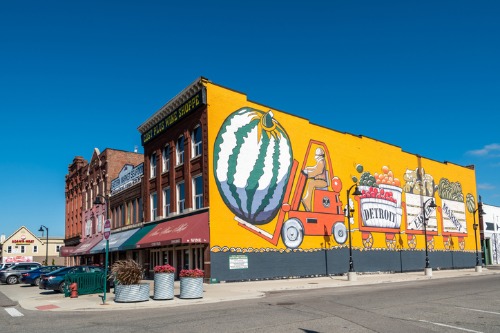
Detroit’s healthcare strain reflects decades of population loss and economic decline. While major hospital systems exist, access is uneven across neighborhoods. Many residents lack reliable transportation to reach care facilities. Preventive care utilization remains low in underserved areas.
High rates of chronic illness place sustained demand on safety-net providers. Hospital closures in surrounding areas have increased pressure on remaining facilities. Staffing shortages affect emergency and primary care alike. The system is challenged by high need and uneven distribution of resources.
10. Mississippi Delta, Mississippi
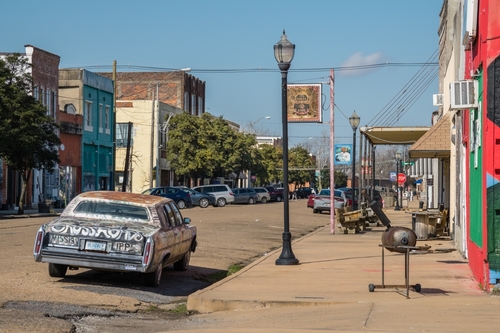
The Mississippi Delta has some of the poorest health outcomes in the nation, driven by persistent poverty and limited access to care. Many counties have very few primary care physicians, and specialist access is even more limited. Residents often face long drives just to see a doctor, which delays diagnosis and treatment. Chronic illnesses like diabetes, heart disease, and hypertension are widespread and difficult to manage consistently.
Hospital closures across rural Mississippi have further weakened the region’s healthcare safety net. Facilities that remain are often underfunded and stretched thin. Preventive care takes a back seat to emergency treatment because people wait until symptoms become severe. The result is a system that is overwhelmed and reactive rather than proactive.
11. Alaska Bush Communities

Remote Alaska Bush communities face extreme healthcare access challenges. Many villages are only reachable by plane or boat, especially in winter. Clinics are often staffed by a single provider or rotating personnel. Emergency evacuations are costly and weather-dependent.
Chronic disease management is difficult without consistent specialty access. Telehealth helps but depends on reliable connectivity. Staffing shortages are persistent due to isolation and cost. The healthcare system operates under logistical pressure that few other regions experience.
This post These Are America’s Most Healthcare-Strained Communities was first published on American Charm.

