
1. Leisure World, Seal Beach, California

Leisure World isn’t just a neighborhood, it’s a gated retirement community that functions like its own town. The median age here sits well into the 70s, and residents under 30 make up only a tiny fraction of the population. Most housing units are restricted to older adults, which directly shapes the demographics. As a result, people over 70 dominate daily life and civic activity.
The community offers on-site medical services, clubs, and transportation designed specifically for seniors. You’re far more likely to see shuffleboard courts than playgrounds. Because it’s intentionally built for aging in place, younger residents simply aren’t part of the long-term population picture. That makes its age distribution both extreme and easy to verify.
2. The Villages, Florida

The Villages is often described as the most retiree-heavy town in America, and for good reason. It was designed specifically for residents aged 55 and up, which means the number of people over 70 vastly outnumbers anyone under 30. Schools are practically nonexistent, while golf carts are considered essential transportation. When a town has policies that discourage young families entirely, the age imbalance becomes impossible to miss.
Daily life here revolves around senior recreation, healthcare access, and social clubs geared toward older adults. Entertainment calendars prioritize live music, hobby groups, and fitness classes rather than nightlife or youth sports. It’s a rare place where aging isn’t just common, it’s the central organizing principle of the town. That makes The Villages an obvious inclusion on any list like this.
3. Sun City West, Arizona

Sun City West was created as a retirement destination, and its population reflects that purpose clearly. A large majority of residents are over 65, with those over 70 forming the most dominant age group. Younger adults are rare, and children are almost entirely absent from the census. The town’s infrastructure caters almost exclusively to older residents.
Medical facilities, recreation centers, and low-maintenance housing define the community. Schools and youth-focused amenities are minimal because there’s little demand for them. This intentional design has resulted in a population where older adults dramatically outnumber younger generations. It’s a textbook example of how planning decisions shape demographics.
4. Punta Gorda, Florida

Punta Gorda consistently ranks among Florida towns with the highest percentage of older residents. Nearly four out of every ten residents are 65 or older, which strongly tilts the population toward people over 70. Younger adults often move away for work or education, leaving behind a largely retiree population. That imbalance shows up clearly in age distribution data.
The town’s appeal lies in its calm waterfront, historic downtown, and strong healthcare access. It attracts retirees looking for a slower pace without sacrificing amenities. Community events and services are largely geared toward older adults. As a result, seniors shape both the economy and the culture.
5. Venice, Florida
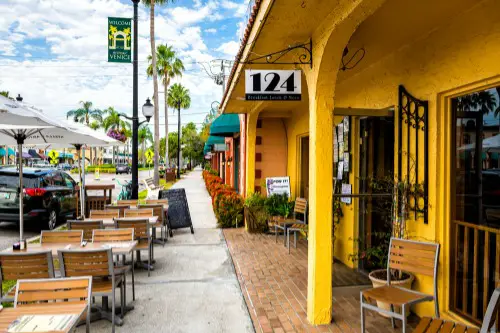
Venice has long marketed itself as a retirement-friendly beach town, and the numbers back that up. A significant portion of its residents are over 70, while under-30s represent a much smaller share. The town lacks major universities or job centers that typically draw younger people. That makes the population skew older year after year.
Arts programming, community theaters, and wellness services play a bigger role here than youth nightlife. Many residents move to Venice specifically to retire and stay for decades. This creates a stable but aging population with little generational turnover. It’s a quiet, coastal example of demographic imbalance.
6. Homosassa Springs, Florida
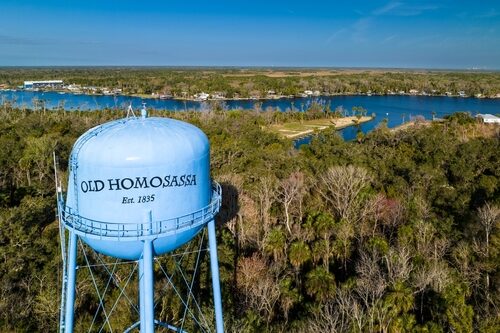
Homosassa Springs is a small Gulf Coast town with one of the oldest age profiles in the region. Retirees make up a large share of the population, with people over 70 easily outnumbering younger adults. Limited job opportunities for young professionals contribute to that imbalance. Once people retire here, they tend to stay.
The town’s appeal is rooted in nature, fishing, and low-key living rather than economic growth. Healthcare access and affordability matter more than nightlife or tech jobs. That naturally attracts an older demographic. Over time, the population has aged faster than it has renewed itself.
7. Pinehurst, North Carolina
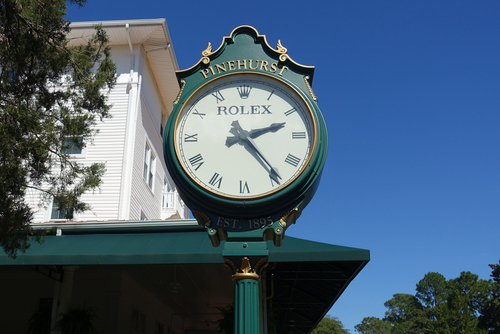
Pinehurst is famous for golf, but it’s also notable for its aging population. Nearly 40 percent of residents are 65 or older, with a large share well past 70. Younger adults are present but far fewer in number. The town’s lifestyle priorities favor retirees over early-career residents.
Healthcare quality, safety, and recreation designed for older adults dominate community planning. Many residents relocate here specifically after retirement. The lack of large employers for young workers reinforces the age gap. It’s a quiet, affluent town shaped by senior living.
8. Sebring, Florida
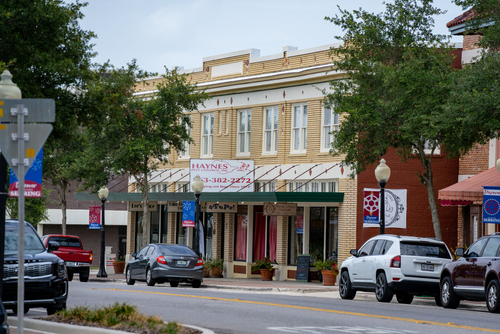
Sebring has become a popular retirement destination in central Florida. More than a third of its residents are seniors, creating a population where those over 70 outnumber people under 30. Younger adults often leave for larger cities with more job opportunities. The result is a steadily aging population.
The town’s lakes, affordability, and relaxed pace appeal to retirees from colder states. Community resources reflect those priorities, with senior centers and healthcare playing major roles. Schools exist, but they serve a relatively small portion of residents. Sebring’s demographics tell a clear story of who’s staying long-term.
9. Cape Coral, Florida
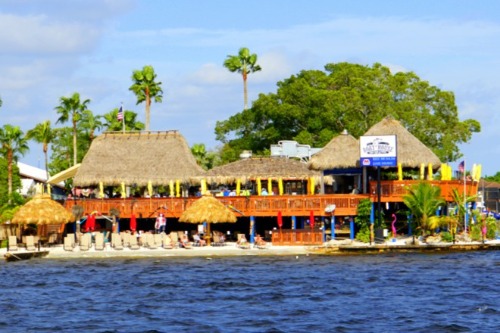
Cape Coral may be larger than a typical town, but its age profile earns it a place on this list. A substantial portion of its population is over 65, and adults over 70 outnumber younger residents in many neighborhoods. Retirees are drawn to its canals, boating lifestyle, and warm climate. Younger populations are present but comparatively smaller.
The city’s growth has been driven largely by older transplants rather than young families. Services and housing developments reflect that demand. While it’s not age-restricted, it functions socially like a retirement hub. That makes the demographic contrast noticeable.
10. Boca Raton, Florida
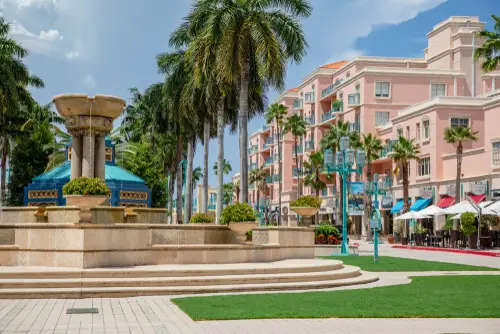
Boca Raton combines affluence with a heavily senior population. A large share of residents are well past retirement age, with those over 70 making up a sizable segment. Younger adults are present, but they don’t dominate the population. The city’s reputation as a retirement destination plays a major role.
Upscale condos, country clubs, and healthcare facilities cater to older residents. Many retirees move here permanently rather than seasonally. This creates an age structure where seniors outnumber young adults. Boca Raton shows how wealth and retirement often intersect.
11. Palm Coast, Florida
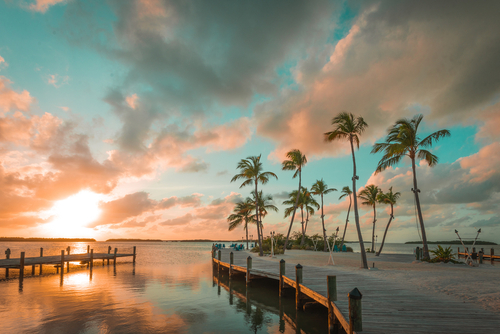
Palm Coast has quietly become one of Florida’s older communities. Nearly a third of its residents are seniors, pushing the balance toward people over 70. Younger adults often leave for larger job markets. That trend reinforces the town’s aging profile.
The appeal lies in its beaches, bike paths, and calm residential neighborhoods. Development has favored low-density housing attractive to retirees. Schools exist, but they serve a smaller segment of the population. The town’s age structure reflects long-term retirement settlement.
12. Leesburg, Florida
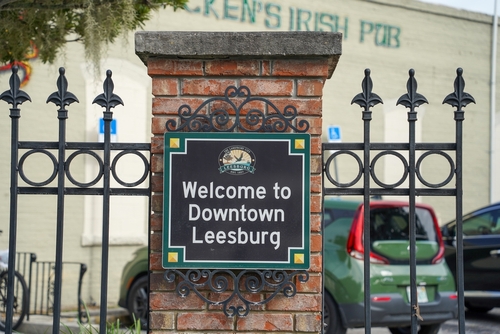
Leesburg sits near major retirement developments, which heavily influences its demographics. The town has seen rapid growth among residents over 65, especially those over 70. Younger adults make up a shrinking proportion of the population. This shift is visible in housing and healthcare expansion.
Retirees are drawn by affordability and proximity to medical services. Community programming increasingly targets older adults. Meanwhile, younger residents often commute elsewhere for work. Leesburg’s age balance has tilted decisively upward.
13. West Palm Beach, Florida
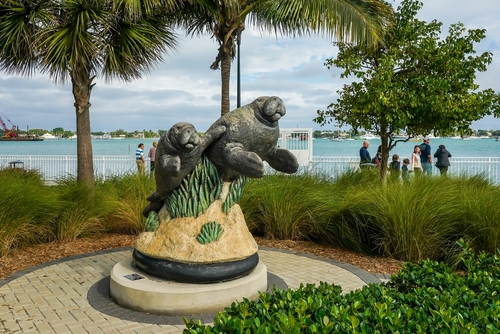
West Palm Beach blends urban life with a surprisingly older population. About one in five residents is over 65, and the over-70 population rivals younger age groups. While the city attracts professionals, retirees remain a dominant force. That balance is unusual for a city of its size.
Cultural amenities and healthcare access make it appealing for long-term retirement. Many residents age in place rather than moving away. This leads to an accumulation of older adults over time. The demographic mix leans older than most comparable cities.
14. Port St. Lucie, Florida

Port St. Lucie has grown rapidly, largely due to retirees relocating there. Seniors make up more than 20 percent of the population, with those over 70 forming a substantial share. Younger adults exist, but they’re outnumbered in many areas. The city’s growth hasn’t balanced evenly across age groups.
Golf communities and retirement-friendly housing dominate new development. Job growth hasn’t kept pace with retiree inflow for younger residents. As a result, the age curve skews older. Port St. Lucie illustrates how fast growth can still mean an aging population.
15. Sun City, Arizona

Sun City is one of the original master-planned retirement communities in the United States. The vast majority of residents are over 65, and those over 70 outnumber younger adults by a wide margin. Children and young families are almost entirely absent. This was an intentional outcome of the town’s design.
Amenities revolve around senior recreation, healthcare, and social engagement. There’s little infrastructure aimed at youth because there’s little demand. Residents often move in after retirement and stay for decades. That stability reinforces one of the oldest age profiles in the country.
16. Green Valley, Arizona
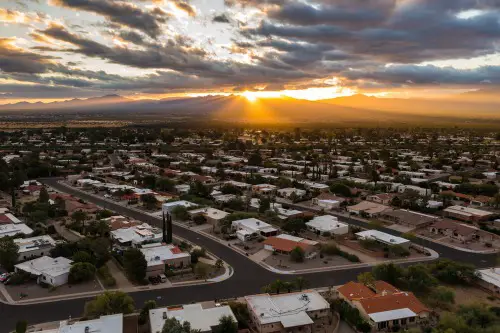
Green Valley was built almost entirely around retirement communities, and its population reflects that focus. A majority of residents are over 65, with those over 70 easily outnumbering anyone under 30. Younger adults rarely move here because employment options are limited. The age gap is baked into the town’s structure.
Daily life centers on recreation centers, health clinics, and social clubs for seniors. Schools and youth-oriented services are minimal because demand is so low. Most residents arrive after retirement and remain for the long term. That creates one of the most senior-heavy populations in the Southwest.
17. Kings Point, New York
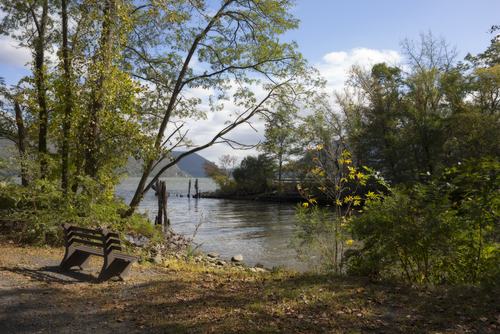
Kings Point is a small village on Long Island with a strikingly old population profile. A high percentage of residents are over 70, while under-30s make up a very small share. Many homes are owned outright by long-time residents who have aged in place. Younger families are priced out or look elsewhere.
The village is quiet, residential, and heavily oriented toward stability rather than growth. There are few rentals and limited turnover in housing. Community priorities reflect longtime residents rather than newcomers. That results in a population dominated by older adults.
18. Marco Island, Florida
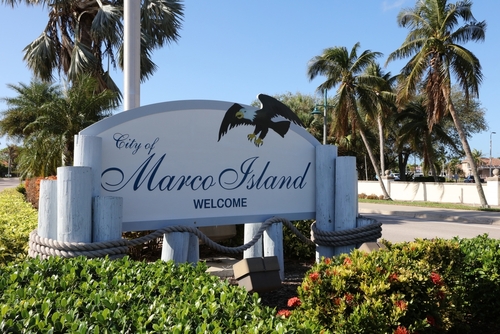
Marco Island is known as a luxury beach destination, but it’s also heavily skewed toward retirees. The population includes a large share of residents over 70, especially among year-round homeowners. Younger adults are far less common and often seasonal. The permanent population trends older each decade.
High housing costs and a service-based economy limit opportunities for young workers. Many retirees settle here after careers elsewhere and never leave. Social life revolves around leisure rather than career building. The age imbalance is both economic and cultural.
19. Prescott, Arizona
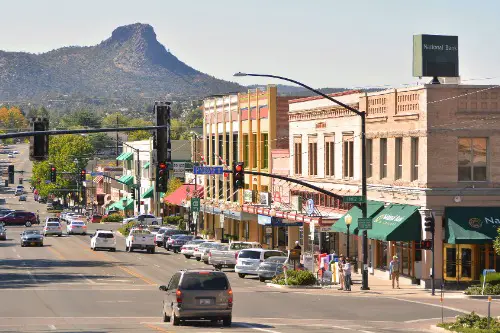
Prescott attracts retirees looking for a mild climate and scenic surroundings. Seniors make up a significant share of the population, with people over 70 outnumbering those under 30. Younger residents are present, but not in equal numbers. The town has aged steadily over time.
Healthcare access and walkable historic neighborhoods appeal to older adults. Employment growth hasn’t been strong enough to retain many young professionals. As residents age in place, the senior population accumulates. That pushes the age distribution upward.
20. Lake Havasu City, Arizona
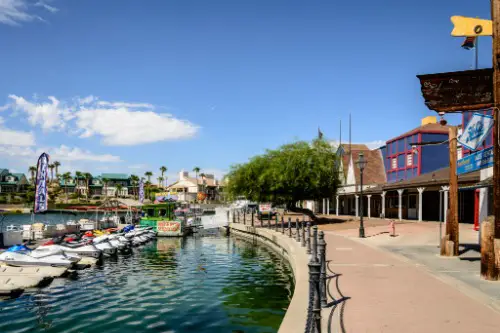
Lake Havasu City has become a magnet for retirees from across the West. A large portion of residents are over 65, and the over-70 group outweighs younger adults. While tourism brings seasonal crowds, the permanent population skews older. Younger people often leave for work elsewhere.
The lifestyle emphasizes recreation, boating, and relaxed living. Housing development has favored retirees rather than starter homes. That limits generational turnover. Over time, the age gap has widened noticeably.
21. Ocean City, New Jersey
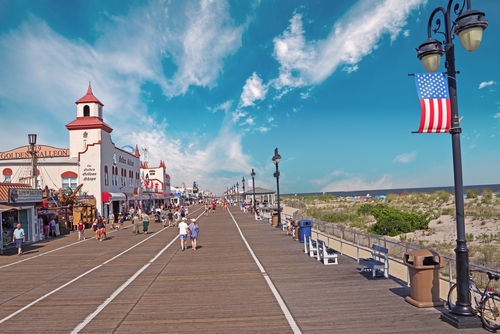
Ocean City is a popular vacation spot, but its year-round population is much older than visitors might expect. Many permanent residents are over 70, while younger adults are relatively scarce. Seasonal jobs don’t translate into long-term residency for under-30s. As a result, the permanent population trends senior-heavy.
Retirees are drawn to the quiet off-season atmosphere and coastal setting. Many residents settle here after raising families elsewhere. Schools serve a small population compared to the senior community. The demographic contrast is clear once tourist season ends.
22. Hot Springs Village, Arkansas
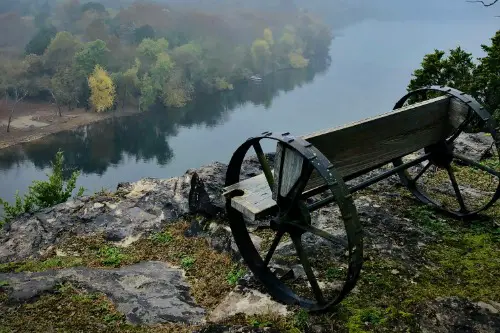
Hot Springs Village is one of the largest gated retirement communities in the country. The majority of residents are over 65, with those over 70 forming the dominant age group. Younger adults are rare because the community is designed for retirement living. Its demographics are highly intentional.
Amenities focus on golf, healthcare access, and senior recreation. There’s little emphasis on schools or youth services. Most residents relocate here specifically to retire. That keeps the population heavily weighted toward older adults.
23. Naples, Florida
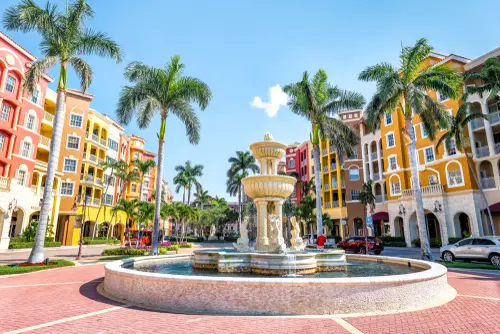
Naples has long been associated with upscale retirement living. A large share of its residents are over 70, especially among full-time homeowners. Younger adults are present but vastly outnumbered in many neighborhoods. The city’s reputation reinforces this age pattern.
High costs of living discourage younger families from settling long term. Retirees often move here permanently rather than seasonally. Community life caters to leisure, wellness, and social clubs. The result is a distinctly older population profile.
24. Coronado, California
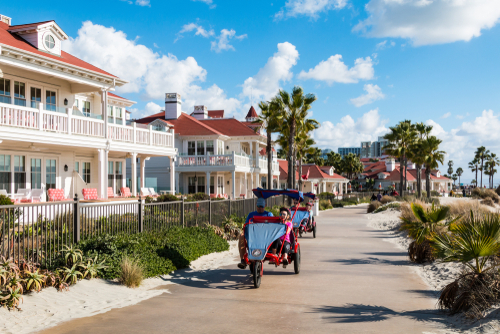
Coronado combines coastal beauty with a surprisingly senior-heavy population. Many residents are long-term homeowners who have aged in place, pushing the median age higher. People over 70 outnumber those under 30 by a noticeable margin. Younger residents often can’t afford to stay.
Housing scarcity and high prices limit generational turnover. The town emphasizes preservation and stability over rapid growth. That benefits older residents but discourages younger ones. Over time, the age imbalance has become more pronounced.
25. Mystic, Connecticut
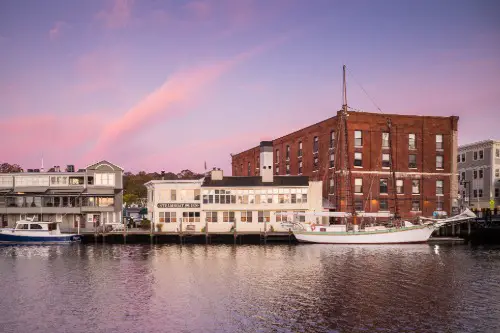
Mystic is best known as a historic seaside village, but its demographics skew older. A significant portion of residents are over 70, while under-30s are relatively few. Tourism supports the economy, but it doesn’t translate into permanent youth residency. Many younger workers commute from elsewhere.
Retirees are drawn to the charm, safety, and slower pace of life. Longtime residents often stay through retirement. Housing turnover is limited, reinforcing the age structure. The result is a small town dominated by older adults.
This post These 25 American Towns Have More People Over 70 Than Under 30 was first published on American Charm.

