
1. Wall Street
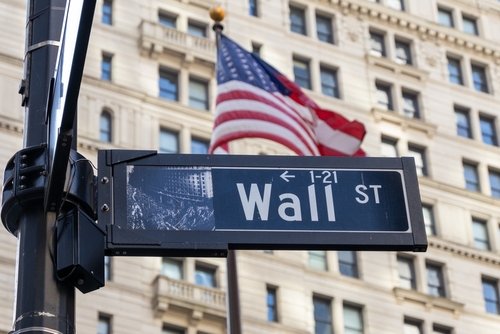
Wall Street represents American finance and global markets. The name evokes stock exchanges and economic power. It feels like shorthand for capitalism itself. Skyscrapers and trading floors define its image.
The street’s name dates back to a literal wall built by Dutch settlers in the 1600s. The barrier marked the northern boundary of New Amsterdam. The original purpose was defense, not finance. Modern symbolism grew long after the wall disappeared.
2. Area 51
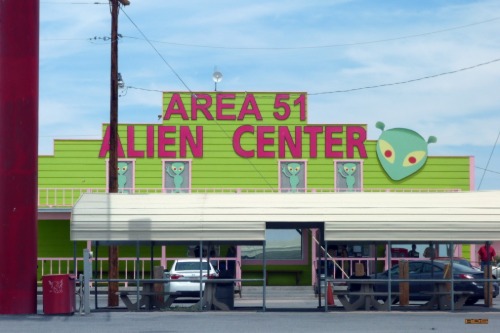
Most people know Area 51 as the ultimate alien conspiracy hotspot. Pop culture turned it into a symbol of UFO coverups and secret extraterrestrial research. Movies, TV shows, and internet lore did the rest. The mystique is powerful and incredibly persistent.
In reality, its fame comes from classified military aircraft testing during the Cold War and beyond. Experimental spy planes like the U-2 and stealth programs were developed in extreme secrecy there. The strange aircraft sightings that fueled alien rumors were often advanced prototypes. It’s famous for aerospace innovation and government secrecy, not little green visitors.
3. Salem, Massachusetts
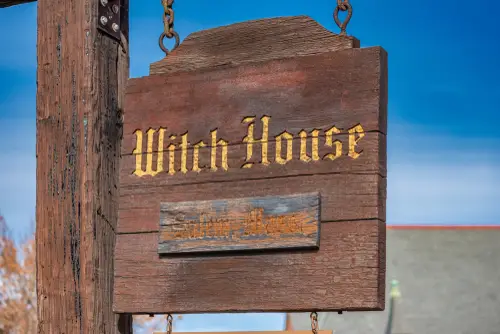
Salem is widely branded as America’s “witch city,” especially around Halloween. Shops, tours, and museums lean into broomsticks and spellbooks. Visitors often imagine medieval witchcraft and mystical folklore. The aesthetic can feel almost playful.
The real history is much darker and more specific. The 1692 Salem witch trials were a legal and social panic that led to executions and imprisonment. No actual witchcraft was proven, and the accused were victims of hysteria and injustice. Salem’s fame rests on a tragic episode of colonial law and fear, not magical practice.
4. Times Square
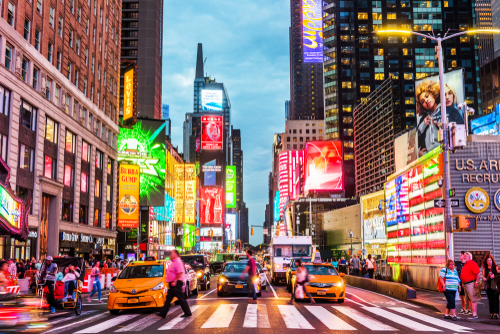
Times Square is often called “the crossroads of the world.” Bright billboards and New Year’s Eve celebrations define its global image. Visitors expect it to be the cultural heart of New York City. It feels like pure spectacle and entertainment.
Its name actually comes from The New York Times moving its headquarters there in 1904. The newspaper’s relocation prompted the city to rename Longacre Square. Media presence, not neon lights, gave it the identity. The party atmosphere came later.
5. Alcatraz Island
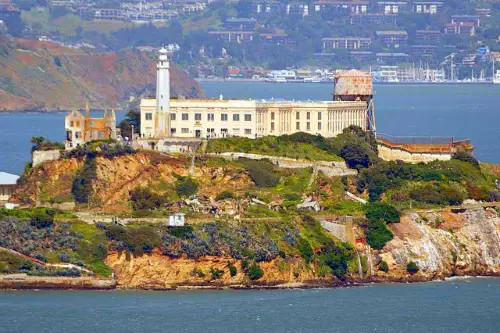
Alcatraz is famous as an inescapable prison for notorious criminals. Stories of daring escape attempts dominate its reputation. Movies emphasize hardened inmates and harsh confinement. It feels like a fortress built purely for punishment.
Before becoming a federal prison, it served as a military fort and later a military prison. Its strategic location made it ideal for coastal defense. The prison chapter was relatively short compared to its full history. Its notoriety overshadows its broader military significance.
6. Mount Rushmore
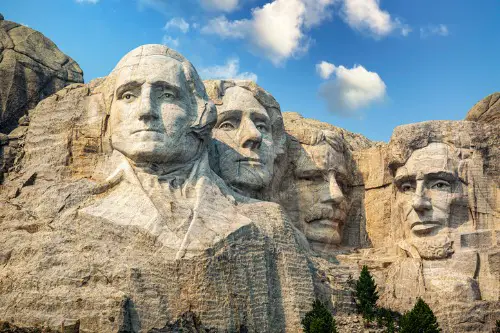
Mount Rushmore is seen as a patriotic tribute to four U.S. presidents. The massive carvings symbolize national pride and unity. It’s framed as a straightforward celebration of leadership. The monument feels purely commemorative.
The site also sits on land sacred to the Lakota Sioux. The Black Hills were taken after gold was discovered despite treaty protections. Ongoing disputes highlight complex issues of sovereignty and history. Its fame includes controversy over land rights and representation.
7. The Liberty Bell
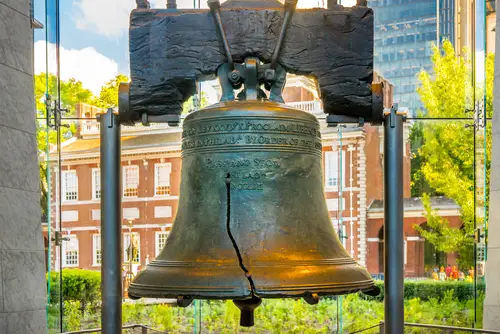
The Liberty Bell is treated as a ringing symbol of American independence. Its image appears in textbooks, souvenirs, and patriotic events. People imagine it pealing triumphantly in 1776. The story feels simple and triumphant.
Historians debate whether it rang on Independence Day at all. Its iconic crack also grew over time and wasn’t part of the original symbolism. Abolitionists later elevated it as an anti-slavery emblem. Its fame evolved through activism and mythmaking.
8. Plymouth Rock
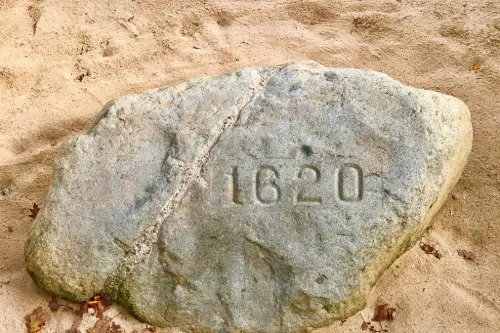
Plymouth Rock is presented as the exact landing spot of the Pilgrims. Visitors expect a monumental piece of early American history. It’s treated like a preserved moment frozen in stone. The narrative feels precise and certain.
There’s no definitive evidence the Pilgrims actually stepped there. The claim surfaced more than a century after the 1620 landing. Oral tradition, not contemporary records, established the association. Its fame rests on symbolism rather than verified geography.
9. Four Corners Monument

Four Corners Monument is famous as the place where four states meet. Tourists love standing in multiple states at once. It feels like a geographic novelty you can physically experience. The appeal is playful and visual.
Surveying limitations mean the marker isn’t perfectly aligned with modern measurements. It reflects 19th-century surveying methods rather than GPS precision. Even so, it remains legally recognized and historically valid. The fame is about the idea more than exact coordinates.
10. Niagara Falls
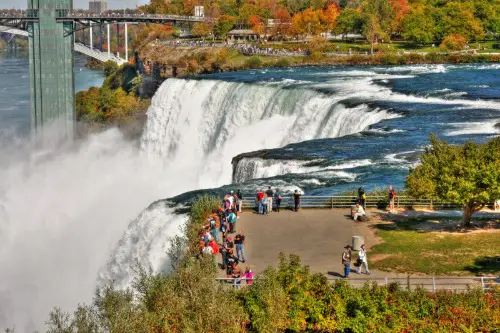
Niagara Falls is known for breathtaking natural beauty and raw power. Honeymooners and sightseers made it a romantic destination. Photos focus on misty rainbows and dramatic cascades. Nature seems like the whole story.
It was also a major center of early hydroelectric power development. Industrialists harnessed the falls to electrify cities and factories. The site played a key role in the growth of modern energy infrastructure. Its fame includes engineering and industry, not just scenery.
11. Roswell
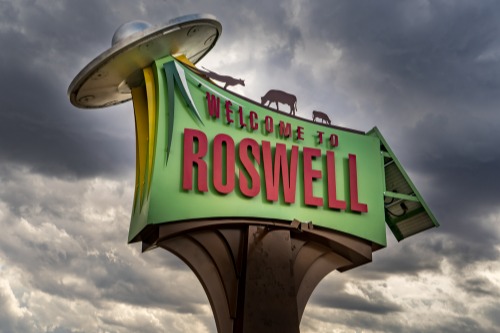
Roswell is synonymous with crashed flying saucers and alien lore. Festivals and museums embrace the extraterrestrial narrative. The town leans into its sci-fi identity for tourism. Pop culture keeps the mystery alive.
The 1947 incident was tied to a classified U.S. military balloon project. Debris came from Project Mogul, which monitored Soviet nuclear tests. Secrecy fueled speculation that lasted decades. Its fame comes from Cold War intelligence work, not alien visitors.
12. Hollywood Sign
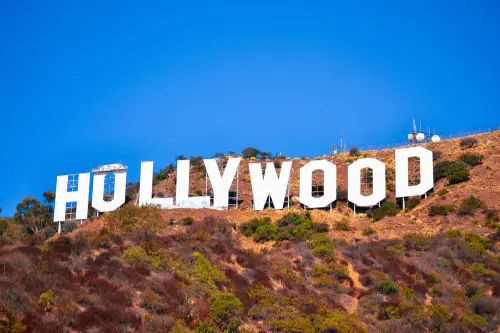
The Hollywood Sign is seen as a glamorous symbol of the film industry. It feels like a permanent monument to movie stardom and celebrity culture. Tourists treat it like a shrine to entertainment history. It looks timeless perched on the hills.
Originally, it wasn’t meant to represent filmmaking at all. The 1923 sign read “Hollywoodland” and advertised a real estate development. It was a temporary marketing installation that just happened to stick around. Its fame grew accidentally as the movie industry boomed nearby.
This post These American Spots Are Famous — Just Not for the Reasons You Think was first published on American Charm.

