
1. Hollywood Walk of Fame

Online, the Hollywood Walk of Fame looks like a glamorous stretch of movie history where stars sparkle under palm trees. In person, it’s a crowded sidewalk running alongside busy traffic and souvenir shops. The pavement is often dirty, and the smell can be surprising for first-time visitors. It feels less like old Hollywood and more like a hectic commuter route.
The stars themselves are easy to miss unless you’re actively hunting for a specific name. Many visitors are also caught off guard by aggressive costumed performers asking for tips. Add in constant construction and noise, and the illusion fades fast. It’s iconic, but not exactly enchanting.
2. Times Square, New York City
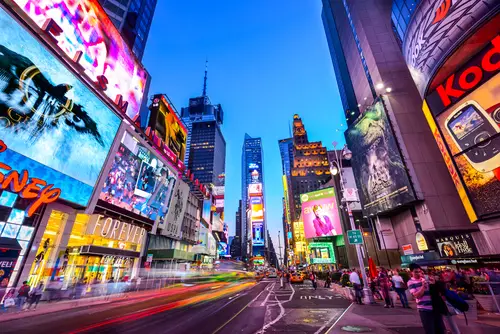
Photos of Times Square make it look electric, cinematic, and larger than life. When you arrive, the lights are real, but so are the shoulder-to-shoulder crowds. It’s noisy at all hours, and standing still can feel impossible. The novelty wears off quickly once you’re dodging slow walkers and street performers.
Prices for food and souvenirs are noticeably inflated compared to nearby neighborhoods. Many locals actively avoid the area unless absolutely necessary. It’s more of a transit hub than a destination for everyday New Yorkers. Seeing it once is enough for most people.
3. South Beach, Miami
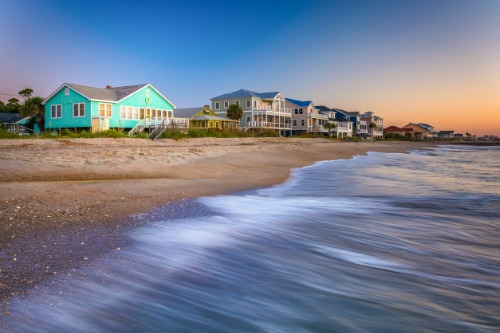
South Beach looks pristine online, with turquoise water and flawless white sand. In reality, it can be packed with people, especially on weekends and during peak season. Seaweed is common, and the beach isn’t always as clean as photos suggest. Finding a quiet spot can be a challenge.
Ocean Drive adds to the disappointment for some visitors. The Art Deco buildings are beautiful, but the area is crowded and expensive. Restaurants often cater more to tourists than quality. It’s still fun, just not the serene paradise seen on Instagram.
4. Bourbon Street, New Orleans
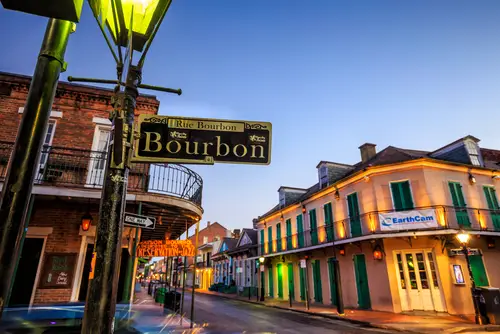
Bourbon Street’s online reputation promises nonstop fun and lively nightlife. What you don’t see are the sticky sidewalks and overpowering smells. By daytime, the street can feel grimy and worn down. Even at night, the chaos isn’t for everyone.
The bars are loud, repetitive, and heavily geared toward tourists. Authentic New Orleans culture is found elsewhere in the city. Many visitors are surprised by how short the street actually is. It’s memorable, but not always in a good way.
5. Niagara Falls (U.S. Side)
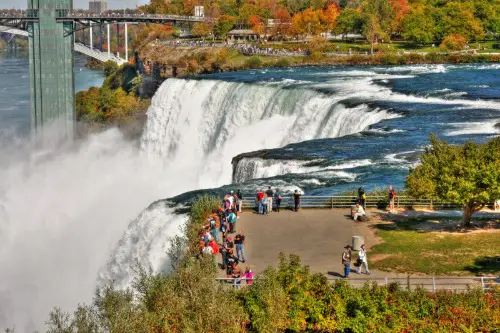
Photos of Niagara Falls make it seem like an untouched natural wonder. On the U.S. side, much of the surrounding area feels underdeveloped and dated. Tourist attractions nearby can look run-down or overly commercial. The contrast can be jarring.
The falls themselves are impressive, but the viewpoints are limited. Many visitors feel the Canadian side offers better views and amenities. Crowds can also make the experience feel rushed. The setting doesn’t always match the grandeur seen online.
6. Venice Beach Boardwalk, California
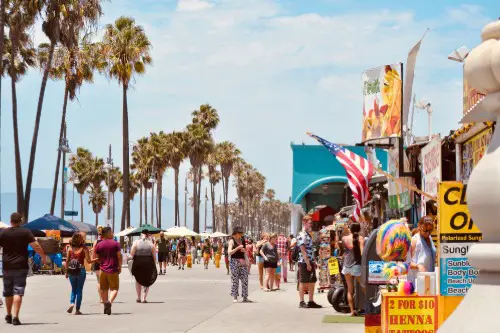
Online, Venice Beach looks quirky, artistic, and carefree. In person, it can feel chaotic and uncomfortable. The boardwalk is often crowded with vendors, performers, and people openly using drugs. Not everyone finds that atmosphere charming.
The famous Muscle Beach and skate park are small and easy to miss. Homelessness is very visible in the area. Some visitors feel uneasy rather than entertained. It’s a place with personality, but not universal appeal.
7. Fisherman’s Wharf, San Francisco
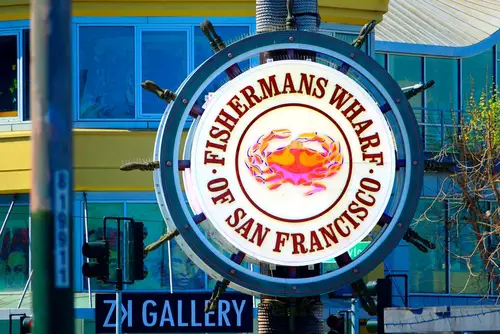
Fisherman’s Wharf photographs well with boats, sea lions, and bay views. In reality, it’s one of the most tourist-heavy areas in the city. The restaurants are often overpriced and underwhelming. Souvenir shops dominate the experience.
The famous sea lions at Pier 39 are fun but surrounded by crowds. Many locals recommend skipping the area entirely. Better food and views exist just a few neighborhoods away. It’s convenient, not exceptional.
8. Mount Rushmore, South Dakota
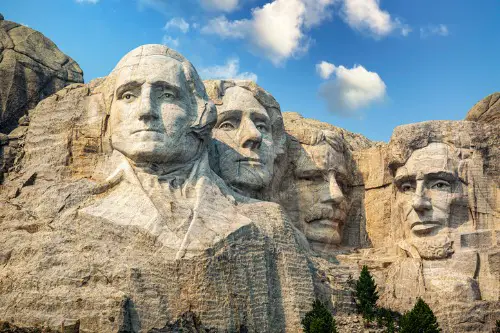
Mount Rushmore looks massive and dramatic in photos. In person, many visitors are surprised by how small it appears from the viewing area. The monument is also very far from major cities. Getting there requires significant planning and driving.
The surrounding area doesn’t offer much beyond gift shops and exhibits. You can see the monument in under an hour. For some, that makes the long trip feel anticlimactic. It’s historically significant, but visually underwhelming.
9. Four Corners Monument

Online, Four Corners looks like a unique and meaningful landmark. In person, it’s a concrete marker in a dusty, remote area. There’s little shade and not much to do beyond taking a photo. The experience is very brief.
Visitors often wait in line just to stand on the marker. The surrounding landscape is stark rather than scenic. Many expect a larger or more interactive site. It’s novel, but fleeting.
10. Plymouth Rock, Massachusetts
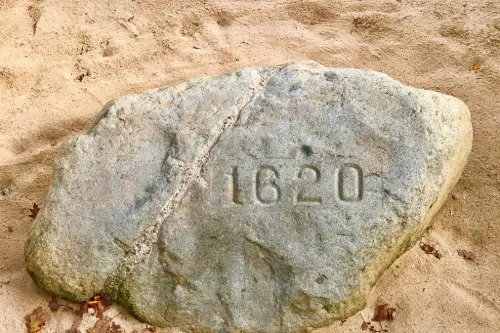
Plymouth Rock carries enormous historical weight online. When you see it in person, it’s surprisingly small. It sits in a pit behind a railing. That alone catches many visitors off guard.
There’s no grand presentation or immersive experience. Most people spend only a few minutes there. The surrounding waterfront is pleasant, but the rock itself disappoints. It doesn’t live up to its legendary status.
11. The Alamo, Texas
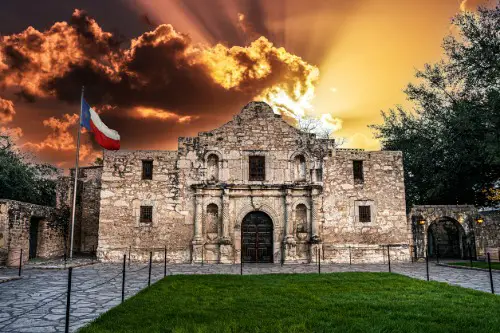
Photos often make the Alamo seem isolated and majestic. In reality, it’s located right in downtown San Antonio. Busy streets and commercial buildings surround it. That setting surprises many first-time visitors.
The structure itself is smaller than expected. You can walk through the grounds fairly quickly. For such an important historical site, the scale feels modest. Context helps, but visuals can mislead.
12. Wall Drug, South Dakota
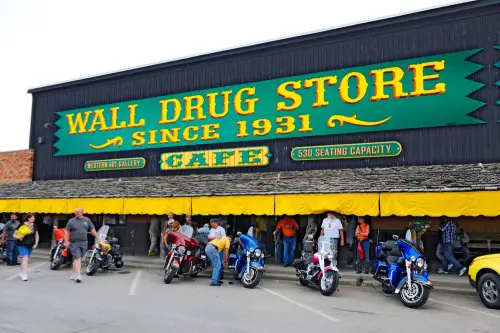
Wall Drug looks like a quirky roadside wonder online. In person, it’s essentially a massive tourist trap. The free ice water and signs are fun at first. The novelty wears off quickly.
Most of the space is devoted to shops selling souvenirs. Food options are basic and overpriced. Many visitors stop briefly and move on. It’s more hype than substance.
13. Salem, Massachusetts (Outside October)
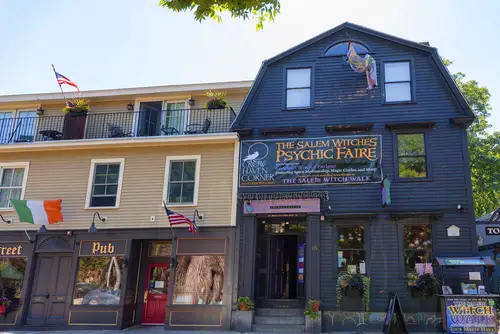
Online images of Salem suggest year-round spooky charm. Outside of October, the town is much quieter. Many attractions have limited hours or are closed. The energy simply isn’t the same.
Visitors expecting a constant Halloween vibe may feel let down. The history is still there, but it’s subtler. October crowds and events define Salem’s reputation. Timing makes all the difference.
This post These American Places Look Way Better Online Than in Person was first published on American Charm.

