
1. The Corn Palace

The Corn Palace in Mitchell, South Dakota, is decorated annually with murals made from corn and grains. It’s been rebuilt and redecorated since the late 1800s. Despite its temporary materials, the tradition is carefully maintained. Preservation here is cyclical rather than static.
The reason for its endurance is agricultural pride. It celebrates local crops in an outsized way. Americans preserve it because it blends community effort with spectacle. Each redesign reinforces the commitment to keep the idea alive.
2. Plymouth Rock
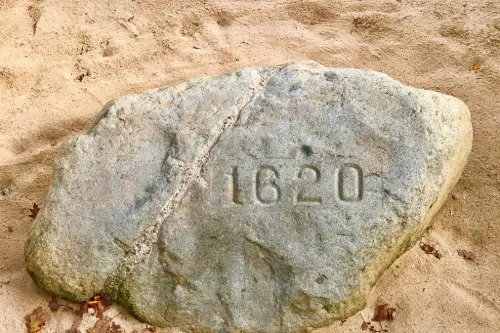
Plymouth Rock is a fairly ordinary boulder that became extraordinary through storytelling. It’s traditionally identified as the landing spot of the Mayflower Pilgrims in 1620. Americans fenced it off, moved it, cracked it, and then carefully reassembled it over centuries. Today it sits protected under a canopy in Massachusetts.
The reason it’s preserved is less about geology and more about symbolism. It represents origin stories, even when historians debate its accuracy. Americans chose to save it because national myths matter. Its continued preservation shows how stories can elevate everyday objects into icons.
3. Mount Rushmore
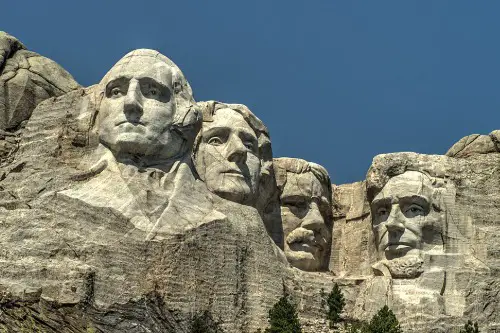
Mount Rushmore permanently altered a mountain to preserve four presidential faces. Carved between 1927 and 1941, it depicts Washington, Jefferson, Roosevelt, and Lincoln. The project intentionally froze these figures into stone for centuries. Maintenance efforts now focus on keeping erosion from undoing that decision.
The monument is preserved because it reflects how Americans once defined greatness. It also shows a willingness to reshape nature to serve national memory. Ongoing preservation acknowledges its controversial history and cultural impact. The mountain remains protected because removing it would erase a chapter of American identity.
4. Cadillac Ranch
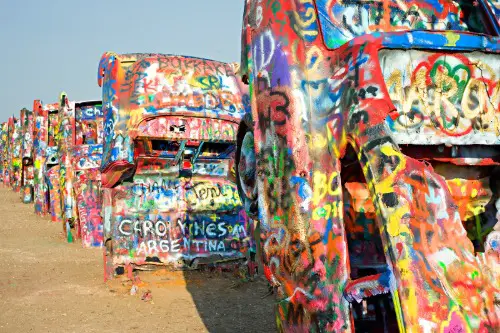
Cadillac Ranch consists of ten Cadillacs buried nose-first in the Texas desert. Installed in 1974, it was meant as a piece of public art. Visitors are encouraged to spray-paint the cars, constantly changing their appearance. Despite that, the site itself is actively preserved.
The reason for preservation is the experience, not the cars’ condition. It represents American car culture, excess, and roadside weirdness. Keeping it intact allows the artwork to keep evolving. Americans chose to preserve something deliberately temporary and participatory.
5. The World’s Largest Ball of Twine
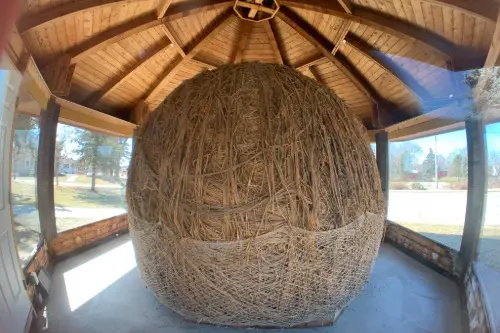
In Cawker City, Kansas, residents continue adding twine to a massive ball started in 1953. It weighs tens of thousands of pounds and keeps growing. The ball is protected, displayed, and celebrated annually. This is preservation through collective effort.
The reason it matters is its commitment to small-town pride. It turns patience and repetition into a landmark. Americans preserved it because it rewards persistence over spectacle. The ball endures because people keep choosing to care.
6. Carhenge
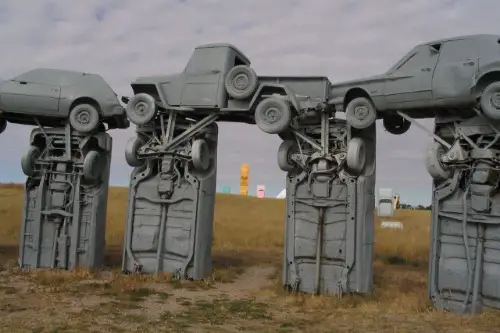
Carhenge is a replica of Stonehenge made from vintage American cars. Built in Nebraska in 1987, the cars are arranged in the same proportions as the original. Rather than rusting away, it’s maintained as a permanent attraction. The site even has a visitor center.
It’s preserved because it blends parody with reverence. Americans recognized it as folk art worth saving. The cars symbolize both cultural imitation and reinvention. Preservation ensures the joke continues to land for new generations.
7. Salvation Mountain
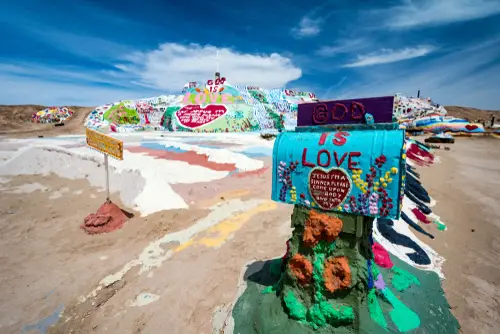
Salvation Mountain is a brightly painted hill made of adobe, straw, and paint in California. Created by Leonard Knight over decades, it features religious messages. After Knight’s death, efforts began to stabilize and protect it. Preservation here is a race against erosion.
The mountain is preserved because of its singular vision. It represents outsider art on a monumental scale. Americans chose to save it to honor personal devotion and creativity. Its fragility makes preservation feel especially intentional.
8. Coral Castle
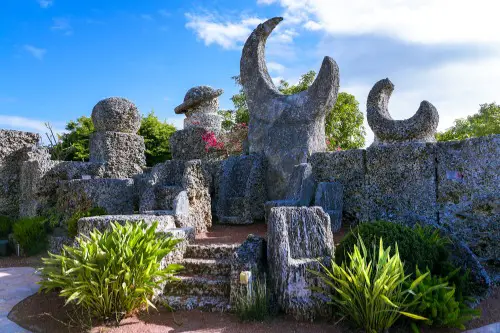
Coral Castle in Florida was built singlehandedly by Edward Leedskalnin using massive limestone blocks. Constructed in the early 20th century, it baffled observers then and now. Instead of dismantling it, the site was preserved as a mystery. It remains structurally intact and open to the public.
The reason for preservation lies in unanswered questions. How it was built matters less than that it exists at all. Americans preserved it because ingenuity and obsession fascinate us. The castle survives as proof that mystery itself has value.
9. The Winchester Mystery House
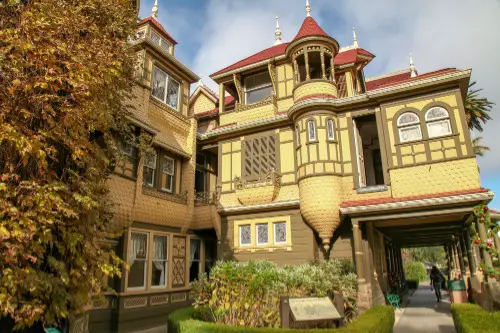
The Winchester Mystery House is a sprawling California mansion built without a master plan. Staircases lead nowhere and doors open into walls. Rather than correcting these oddities, the house was preserved exactly as it was left. It now functions as a historical curiosity.
Preservation keeps the eccentricity intact. The house reflects grief, superstition, and unchecked wealth. Americans chose to save it because normalizing it would erase its meaning. Its strangeness is the entire point.
10. The Liberty Bell
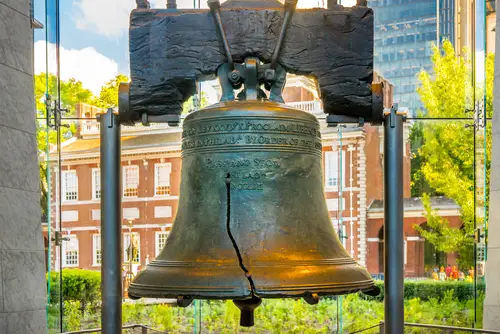
The Liberty Bell is famously cracked, and Americans decided that flaw made it more meaningful, not less. Originally cast in the 1750s, it became associated with independence and abolition. Instead of repairing or replacing it, the bell was retired and protected. It now lives in Philadelphia as a historical artifact rather than a functional object.
Preserving the bell keeps its physical imperfection front and center. The crack reinforces the idea that freedom is fragile and unfinished. Americans deliberately chose not to “fix” it because the damage became part of the message. It’s a case where wear and failure were deemed historically essential.
11. Meteor Crater

Meteor Crater in Arizona was formed by an asteroid impact around 50,000 years ago. Instead of mining it away, the site was protected and studied. It remains one of the best-preserved impact craters on Earth. Access is controlled to prevent damage.
Preserving the crater serves scientific and educational purposes. It offers a visible reminder of planetary vulnerability. Americans chose to protect it rather than exploit it. The decision reflects respect for natural history.
12. Alcatraz Island
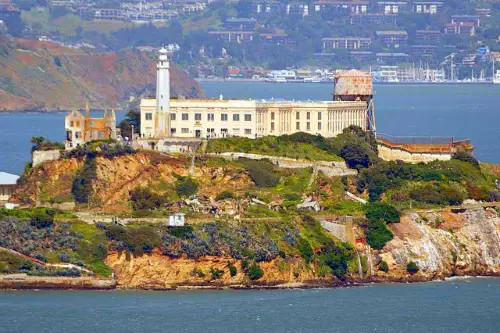
Alcatraz was once a high-security federal prison in San Francisco Bay. After its closure, it could have been redeveloped or demolished. Instead, it was preserved as a national park and historic site. Even its peeling paint and empty cells were left largely intact.
The reason for preservation is its layered history. It represents punishment, isolation, protest, and tourism all at once. Americans kept it because erasing it would oversimplify the past. Its preservation allows discomfort and fascination to coexist.
This post The Weirdest Things Americans Have Preserved on Purpose was first published on American Charm.

