1. Prices That Reset Instead of Falling Back

Prices didn’t snap back after the inflation spike, and most people now sense that. Groceries, insurance, and utilities settled at a higher baseline rather than retreating. Even when inflation slowed, sticker shock stayed. That quiet realization is reshaping how households plan month to month.
This belongs on the list because it affects nearly every daily decision. People are trading brands, delaying repairs, and downsizing expectations. Wage gains have helped some workers, but not evenly or reliably. The adjustment is subtle, but it is everywhere.
2. Hybrid Work as the New Normal

For many white-collar workers, the office never fully came back. Hybrid schedules quietly became the default rather than a temporary perk. Employers discovered they could retain talent without full-time offices. Workers learned to reorganize their lives around flexibility.
This matters because it has ripple effects on commuting, city economies, and even family routines. Coffee shops and suburban neighborhoods are reshaping around work patterns. Employers are adjusting office space, cutting down square footage. The “return to normal” turned out to be a new, quieter normal.
3. The Gig Economy Isn’t Going Anywhere
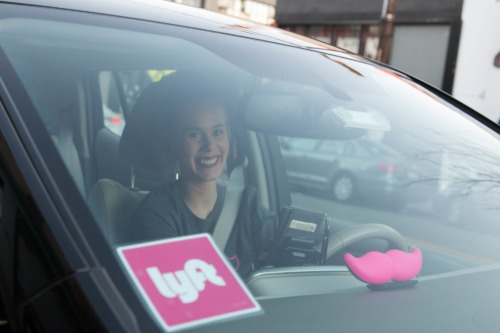
Side hustles and freelance work are no longer “extra” for many Americans. People are blending multiple income streams to feel secure. Platforms that connect workers with gigs quietly became embedded in daily life. This isn’t just for young workers anymore—mid-career and older adults are participating too.
It’s important to notice because it changes what financial stability looks like. Benefits, job security, and pensions are no longer automatic expectations. Many Americans are learning to treat work as modular rather than permanent. This quiet shift affects long-term career planning and lifestyle decisions.
4. Rising Health Costs Influence Choices

Even insured Americans are noticing medical bills creeping up. Copays, deductibles, and surprise bills influence decisions about care. People are delaying elective procedures or skipping checkups to manage costs. Health decisions are now more financially calculated than purely medical.
This adjustment matters because it subtly changes behaviors nationwide. Patients weigh treatment versus cost more than ever before. Preventive care is declining in some areas, while telehealth and urgent care see growth. The quiet impact is a population rethinking when and how to seek care.
5. Suburban and Rural Areas Are Gaining Attention

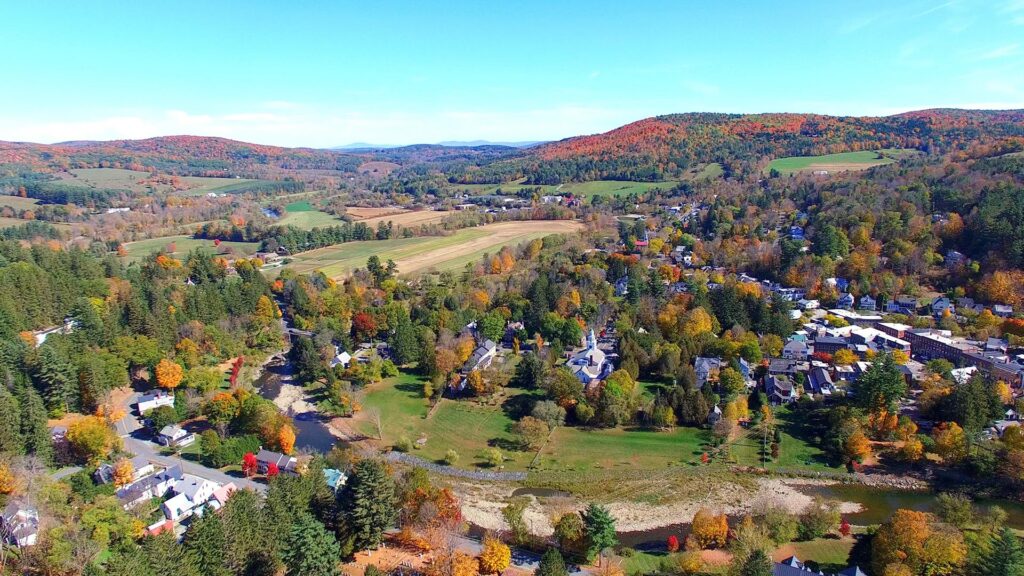
More Americans are quietly leaving dense cities for suburbs or smaller towns. Remote work, lifestyle preferences, and cost pressures make these moves appealing. Schools, housing options, and space for families are part of the pull. Urban flight isn’t dramatic in headlines, but it is steady.
This is noteworthy because it reshapes communities and politics. Local economies see more spending, while city centers adjust to lower populations. Housing markets shift, and cultural hubs adapt. This quiet migration is subtly redefining where Americans see opportunity.
6. Mental Health Conversations Are Becoming Everyday

Stress, burnout, and anxiety are no longer whispered about—they’re discussed over Zoom, in offices, and on social media. Therapy and wellness apps have become normalized tools rather than niche indulgences. Employers quietly incorporate mental health days and programs. People are adjusting expectations about emotional resilience.
This trend is significant because it changes how society frames self-care. Asking for support is less stigmatized, which influences relationships and productivity. It shifts how Americans live day to day, even in professional settings. The adjustment is cultural, yet quietly transformative.
7. Political Polarization Shapes Daily Interactions

Conversations with friends, family, and colleagues often carry an unspoken tension. People are adjusting their topics, avoiding debates, or checking assumptions before speaking. This is more than social media—it affects office culture, neighborhoods, and friendships. Americans are learning new ways to navigate disagreement.
The importance here is subtle but widespread. Political identity increasingly informs social circles, media consumption, and even purchasing decisions. Quietly, people are creating mental maps to avoid conflict. This adaptation affects daily life in ways that aren’t immediately visible.
8. Climate Awareness Guides Choices
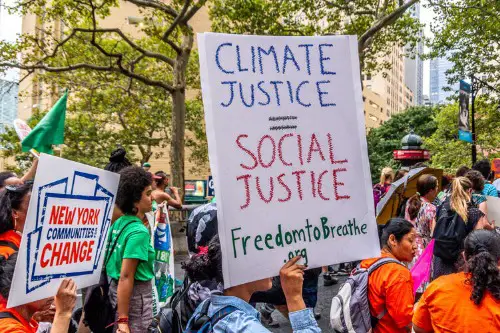
Extreme weather, wildfires, and energy costs are nudging behaviors quietly. More people are adjusting diets, commuting habits, and home energy usage. Solar panels, electric vehicles, and energy-efficient appliances aren’t just trendy—they’re increasingly practical. Awareness drives small, consistent lifestyle changes.
This is noteworthy because it represents a generational shift in risk assessment. People are incorporating climate considerations into buying, travel, and family planning. The changes are subtle but widespread. It reflects a new baseline for what is considered responsible living.
9. Streaming and Media Replace Traditional Schedules

Cable TV schedules are a thing of the past for most households. On-demand content, multiple subscriptions, and algorithmic recommendations quietly shape daily entertainment. People now build routines around what they choose rather than what’s scheduled. Media consumption has become more personalized and fragmented.
This matters because it changes shared culture and social references. Watercooler conversations revolve less around TV shows and more around clips, streams, and social media. Advertising and influence have shifted accordingly. Americans are quietly adjusting how they connect through entertainment.
10. Education Feels More Fluid

Lifelong learning, online courses, and hybrid schooling have quietly shifted expectations. Parents and students are experimenting with alternatives to traditional K-12 or higher education paths. Microcredentials and short courses are gaining legitimacy. The idea of a single educational trajectory is fading.
This adjustment is important because it changes how skills and success are measured. Employers increasingly value competency over pedigree. Students plan education with flexibility and adaptability in mind. The quiet shift reshapes the next generation’s career strategies.
11. Financial Security Is More About Resilience Than Wealth

Americans are focusing less on pure accumulation and more on buffers, emergency funds, and diversification. Job loss, inflation, and market volatility have recalibrated what “safe” looks like. People are quietly redefining retirement, investments, and savings habits. Financial planning is becoming more dynamic and realistic.
This matters because it affects lifestyle decisions across income levels. People delay big purchases, adjust housing choices, or keep multiple income streams. Wealth is no longer the sole marker of security—resilience is. The quiet shift changes daily decision-making at every stage of life.
This post The Version of America People Are Quietly Adjusting To was first published on American Charm.