1. Waiting for the Weather Instead of Checking It

People used to step outside, look at the sky, and make a judgment call about the day. Local news broadcasts and morning papers offered forecasts, but they weren’t constantly updated. You learned to read clouds, temperature shifts, and even wind patterns. It wasn’t perfect, but it built a kind of everyday awareness.
Now weather lives in your pocket with minute-by-minute precision. Apps send alerts before storms even arrive in your area. That convenience quietly replaced the habit of observing your surroundings. Many people check the forecast before even opening a window.
2. Writing Letters Instead of Sending Instant Messages

Staying in touch once meant sitting down and writing a letter by hand. You thought carefully about what to say because responses took days or weeks. The pace naturally encouraged longer, more reflective communication. Even postcards carried a sense of intention.
Texting and messaging apps flipped that rhythm completely. Conversations now happen in quick bursts throughout the day. The expectation shifted from thoughtful replies to immediate ones. As a result, letter writing became something reserved for special occasions.
3. Browsing Stores Instead of Shopping Online
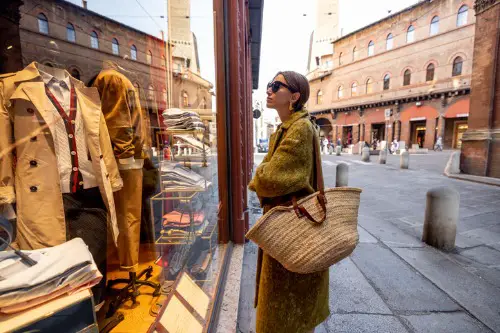
Shopping used to involve physically walking through aisles and comparing options in person. You handled products, checked quality, and sometimes waited for staff assistance. Malls and department stores doubled as social spaces. The experience was as important as the purchase.
Online shopping streamlined everything into a few clicks. Reviews replaced in-person inspection, and delivery replaced carrying bags home. Convenience took priority over exploration. Many people now shop without ever leaving their couch.
4. Asking for Directions Instead of Using GPS
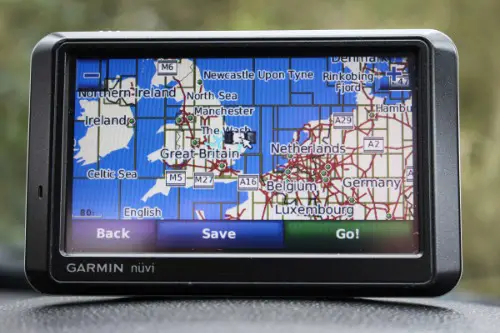
Getting somewhere unfamiliar once meant stopping to ask someone for directions. Gas stations, diners, and passersby became part of the navigation process. You often got directions in landmarks rather than exact distances. It made travel a little unpredictable but more human.
GPS navigation removed that interaction entirely. Turn-by-turn directions guide you with constant updates. There’s no need to memorize routes or speak to strangers. The small social exchange of asking for help has mostly disappeared.
5. Watching Scheduled TV Instead of Streaming On Demand

Television once followed a strict schedule that shaped daily routines. Families planned evenings around specific shows airing at fixed times. Missing an episode often meant waiting for a rerun weeks later. The shared timing created a collective viewing experience.
Streaming platforms changed that structure completely. Entire seasons are available instantly, ready to watch anytime. Binge-watching replaced weekly anticipation. The idea of “appointment viewing” became far less common.
6. Using Cash for Everyday Purchases
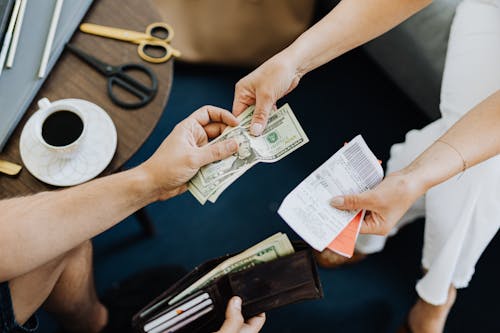
Cash used to be the default for everything from groceries to coffee. People carried wallets with bills and coins and made change regularly. Budgeting often meant physically dividing money into categories. Transactions were tangible and immediate.
Cards and digital payments gradually took over daily spending. Contactless taps and mobile wallets made purchases faster. Many people rarely carry cash at all anymore. The physical sense of money has faded for everyday use.
7. Keeping Mental Notes Instead of Digital Reminders

People relied on memory to keep track of appointments and tasks. Calendars existed, but they were often paper-based and checked periodically. You built habits around remembering birthdays, errands, and deadlines. Forgetting something carried real consequences.
Smartphones now handle that mental load. Notifications and reminders keep schedules on track automatically. The brain offloads routine memory to devices. As a result, fewer people practice remembering small details on their own.
8. Taking Photos Sparingly Instead of Constantly

Photography once required film, which limited how many pictures you could take. Each shot felt intentional because developing photos cost money and time. People saved cameras for important moments and events. Everyday life often went undocumented.
Smartphones turned photography into a constant activity. You can take hundreds of photos without thinking about storage or cost. Moments are captured instantly and often forgotten just as quickly. The meaning of a “special photo” shifted along the way.
9. Listening to Full Albums Instead of Individual Songs
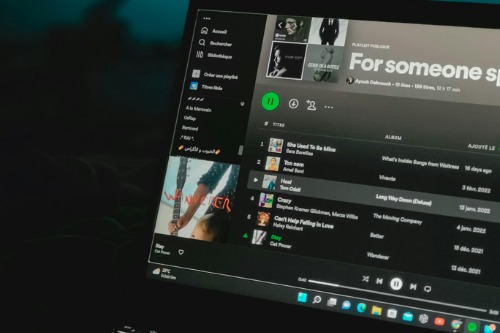
Music used to be experienced in albums, especially on vinyl and CDs. Artists structured track lists with a beginning, middle, and end in mind. Listeners often played records straight through as intended. That format shaped how music was created and enjoyed.
Streaming platforms emphasize playlists and single tracks. Songs are shuffled, skipped, and repeated out of sequence. Attention spans and listening habits adjusted to that flexibility. The album as a complete experience became less central.
10. Reading Physical Newspapers Instead of Headlines Feeds

Morning routines once included unfolding a printed newspaper. People read front-page stories, local updates, and even sections they hadn’t planned to check. The layout guided what you encountered. News consumption had a built-in structure.
Digital feeds personalized everything. Algorithms decide which stories appear first. Readers often skim headlines instead of reading full articles. The experience became faster, but also more fragmented.
11. Visiting Banks Instead of Using Mobile Apps
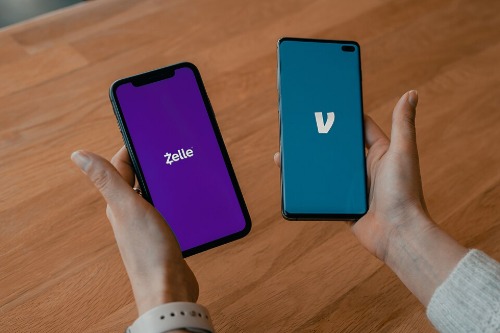
Banking used to require in-person visits for many routine tasks. Deposits, transfers, and questions meant standing in line at a branch. Tellers recognized regular customers and handled transactions directly. It was a slower but more personal system.
Mobile banking apps replaced most of those interactions. Checks can be deposited with a photo, and transfers happen instantly. Many branches now see far less foot traffic. The relationship between customers and banks became largely digital.
12. Memorizing Routes Instead of Following Navigation Apps
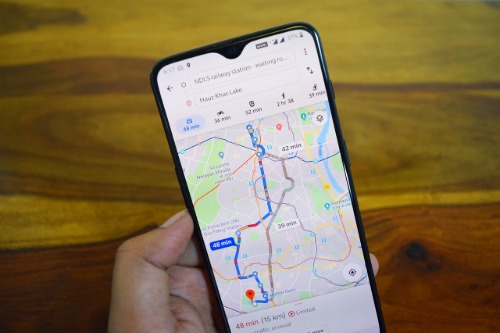
People once learned routes by repetition and familiarity. Driving the same roads built a mental map over time. You remembered turns, shortcuts, and landmarks without needing assistance. Getting lost was part of the learning process.
Navigation apps now guide even routine trips. Many drivers follow directions they already know by heart. The habit of building internal maps has quietly faded. Technology replaced a skill that used to develop automatically.
This post The Unnoticed Ways Modern Life Replaced Older Habits was first published on American Charm.