
1. Longer Commutes Eat Into Your Day

Driving an extra hour each way might not seem like a big deal at first, but those hours add up quickly. That’s potentially ten extra hours a week you’re stuck in traffic instead of relaxing, exercising, or spending time with loved ones. Mental fatigue sets in faster than you might expect, making even simple tasks feel exhausting. Over time, this constant drain can lead to stress, lower productivity, and even health issues like headaches or high blood pressure.
Longer commutes can also strain personal relationships. Coming home late and tired means you might miss family dinners, kids’ activities, or even quiet moments with a partner. It’s easy to underestimate the social cost until months pass and you realize you’re missing out on everyday life. Many people regret prioritizing a bigger home over a manageable commute once the routine becomes exhausting.
2. Transportation Costs Can Balloon
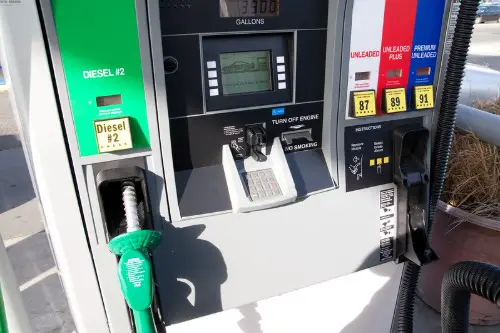
Living far from work almost always means higher commuting costs. Gas, tolls, wear and tear on your car, and potentially even parking fees add up quickly. Even if you’re thinking of public transit, longer routes can require multiple connections, making monthly passes more expensive. Over a year, these costs can rival or exceed the extra square footage you gained by moving further.
Unexpected repairs also tend to crop up sooner with higher mileage. Tires wear faster, brakes need attention more often, and oil changes become routine every few thousand miles. Insurance premiums can creep up if your commute passes through accident-prone areas. It’s easy to feel like the “cheaper home” you bought is actually costing far more.
3. Increased Stress and Anxiety
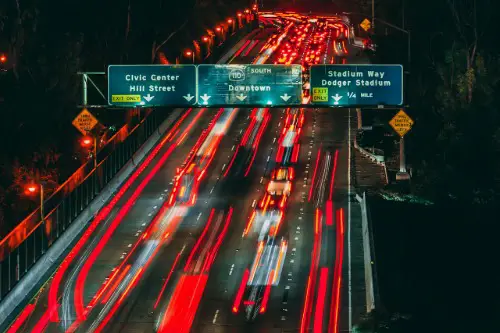
Spending hours in traffic or on public transit every day can significantly increase stress levels. Constantly worrying about delays, accidents, or being late takes a mental toll you might not notice immediately. Stress can also spill over into other areas of life, making it harder to focus at work or enjoy free time. Over months, this can lead to chronic anxiety or even sleep disturbances.
The anticipation of a long commute can make mornings and evenings feel like a grind. Even minor setbacks, like a slow lane or missed bus, feel disproportionately frustrating. This constant friction can wear down your patience and energy. Many people underestimate how much commuting stress impacts their overall happiness until it’s already affecting health and relationships.
4. Less Time for Community and Social Life

Living far from work often means living far from friends and community hubs too. Weeknight plans become harder to keep, and weekend activities can feel like a logistical challenge. Over time, social connections can weaken simply because maintaining them requires too much energy. This isolation can be surprisingly impactful on mental well-being.
Local events, volunteer work, or community clubs suddenly seem out of reach. Even casual interactions, like grabbing coffee with neighbors, are less likely to happen. Being distant from your social circle can make you feel disconnected, despite having a bigger home. Many regret the social trade-off once the novelty of extra space wears off.
5. Difficulty Handling Emergencies

A longer distance from work or city centers can make emergencies more complicated. Whether it’s a sudden car repair, a family illness, or urgent home maintenance, travel times add up. Waiting longer for help or having to drive farther can increase stress during already tense moments. It also puts extra pressure on any backup plans you might have.
Medical emergencies can be especially tricky if you’re far from hospitals or clinics. Even routine appointments become a bigger time commitment. This added complication can affect both physical and mental health over time. People often underestimate how location affects their ability to respond to unexpected situations.
6. Limited Job Flexibility

Living far from work can make switching jobs or taking on new opportunities harder. Remote work may not always be an option, and commuting distance could deter you from pursuing roles that seem ideal. Networking events and professional meetups are harder to attend consistently. Over time, this can slow career growth or limit income potential.
Additionally, companies sometimes value proximity for promotions or high-visibility projects. Being far away might unconsciously reduce your access to mentors or decision-makers. Even if your work output is excellent, the physical distance can subtly impact your professional presence. This is a pitfall many homebuyers overlook.
7. Higher Utility and Maintenance Costs
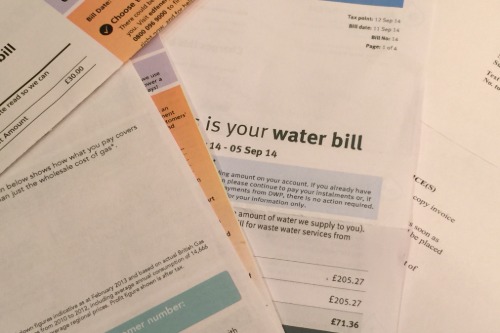
Sometimes, buying far from work means larger homes on bigger lots. While enticing, these properties often come with higher utility bills and more upkeep. Heating, cooling, and landscaping can add hundreds of dollars to your monthly budget. Maintenance tasks also demand more time, cutting into any extra space you thought you gained.
Older homes in suburban or rural areas may require frequent repairs. Roofs, plumbing, or septic systems often need attention sooner than in newer city homes. All of these costs can quietly chip away at the savings you thought you were getting. People often forget to factor this in when comparing homes purely on price per square foot.
8. Less Access to Amenities
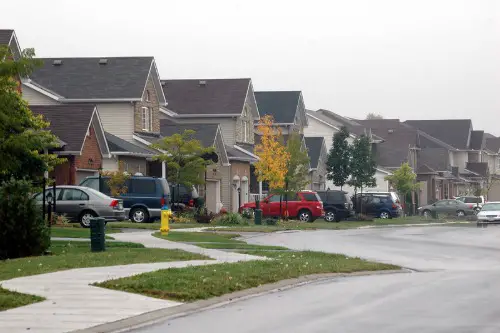
Being far from work usually means being farther from amenities like grocery stores, gyms, restaurants, and cultural events. What seems like a small inconvenience can become a daily hassle. Running errands takes longer, and spontaneous social plans feel less appealing. Over time, the lack of convenience can impact quality of life.
You might also find yourself missing services like public libraries, healthcare specialists, or entertainment venues. Even small luxuries, like nearby coffee shops or parks, become harder to enjoy regularly. Living far away can mean sacrificing little daily joys for the sake of more space. It’s easy to underestimate these “invisible costs.”
9. Environmental Impact
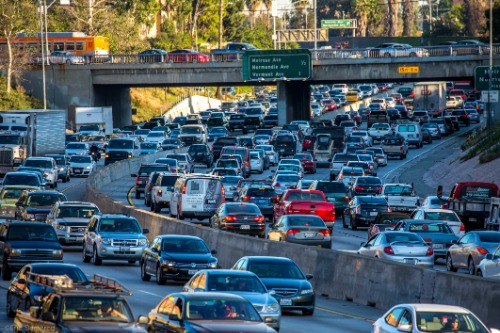
Long commutes aren’t just costly personally—they have environmental consequences too. Driving longer distances increases carbon emissions and fuel consumption. Over months and years, this adds up and contributes to air pollution. Choosing a home far from work can unintentionally increase your ecological footprint.
Public transit might reduce emissions, but long-distance commuting often still involves multiple car rides or energy-intensive routes. This trade-off is rarely considered when buyers are focused on home size or price. Even small changes in location can have surprisingly large effects on overall sustainability. Many people regret this impact once they see it quantified.
10. Resale Challenges
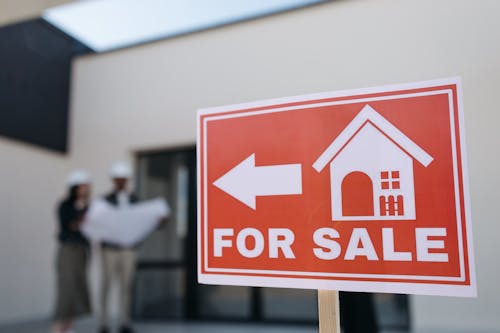
Homes far from urban centers or major employers can take longer to sell. The market is smaller, and fewer buyers are willing to commit to a long commute. Even a beautiful property can sit unsold for months compared to a similar home closer to work. This can affect your financial flexibility and long-term investment returns.
Future buyers may weigh commuting time more heavily than you did. What seemed like a minor inconvenience for you might be a dealbreaker for someone else. Market trends often favor accessibility and convenience over square footage alone. This makes long-distance homes potentially harder to liquidate when needed.
11. The Hidden Psychological Toll

Finally, distance from work can have subtle, long-term psychological effects. Constantly feeling rushed or drained can lead to chronic dissatisfaction. You may notice irritability, lack of motivation, or general unhappiness creeping in over time. It’s not just about the commute—it’s about the cumulative lifestyle trade-offs that go unnoticed.
The sense of isolation, reduced spontaneity, and ongoing stress can quietly erode life satisfaction. Even hobbies and self-care routines may fall by the wayside due to travel fatigue. People often realize the mental cost only after years of living far from work. This hidden toll is one of the most underestimated pitfalls of all.
This post The Unexpected Pitfalls of Buying Far From Work was first published on American Charm.

