1. Boise, Idaho
Boise attracted waves of remote workers with its outdoor lifestyle and small-city feel, but housing supply couldn’t keep up. Home prices more than doubled during the pandemic-era boom, putting pressure on local wages that didn’t rise at the same pace. Renters face limited options and rising competition for apartments. For many newcomers, the affordability story they heard is already outdated.
Cultural adjustment can also be tougher than anticipated. Boise is growing, but it’s still relatively small and politically conservative compared to other “hot” cities. Nightlife and dining options thin out quickly outside the downtown core. Winters are long and cold, which surprises people who only picture summer hiking photos.
2. Austin, Texas
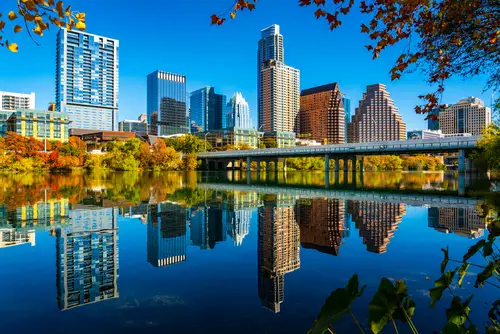
Austin still sells itself as a laid-back creative haven, but the cost of housing has surged faster than many newcomers expect. Rents and home prices jumped dramatically in the early 2020s, and while the market has cooled, affordability hasn’t fully recovered. Property taxes in Texas can also be a shock if you buy, especially compared to states with income tax instead. That financial pressure can erase the “cheaper than California” appeal pretty quickly.
The city’s infrastructure hasn’t kept pace with growth, and longtime residents feel it daily. Traffic congestion has worsened, and public transit remains limited for a metro of its size. Summer heat is intense and getting hotter, with long stretches above 100 degrees. Add in periodic water restrictions during drought years, and daily life can feel more stressful than expected.
3. Nashville, Tennessee
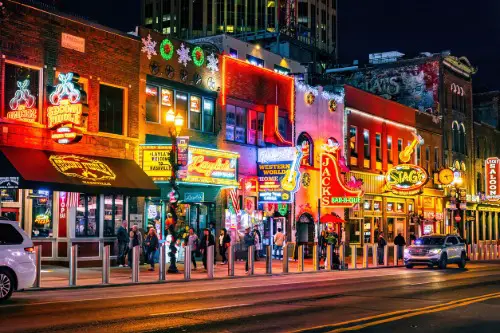
Nashville’s music scene and tax-friendly reputation draw transplants, but the housing market has become increasingly unforgiving. New construction hasn’t kept up with demand, pushing prices higher across the metro area. Even traditionally affordable suburbs now come with sticker shock. For service and creative workers, wages often lag behind rising living costs.
Tourism-heavy growth changes the day-to-day experience for residents. Popular neighborhoods are crowded with short-term rentals and party buses. Traffic has worsened, yet public transportation options remain limited. The city’s identity can start to feel more like a brand than a community.
4. Raleigh, North Carolina
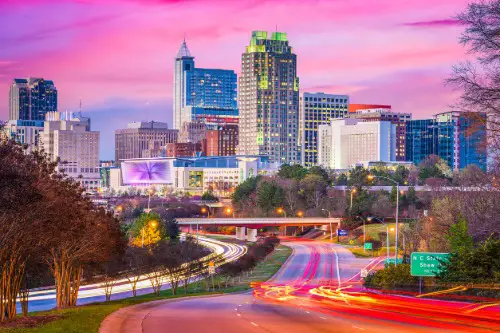
Raleigh benefits from the Research Triangle’s job market, but growth has created new pressures. Housing prices have climbed steadily, especially near major employers and good school districts. Competition for homes can be intense, even for well-paid professionals. Renters also face fewer bargains than they did a decade ago.
The area’s sprawl surprises many first-time residents. You often need a car to get anywhere, and commutes can be longer than expected. Summers are hot and humid, with long stretches of uncomfortable weather. For people expecting a walkable, urban lifestyle, Raleigh can feel more suburban than advertised.
5. Denver, Colorado
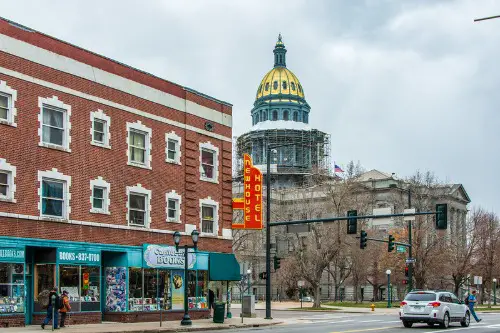
Denver’s access to the outdoors is real, but so are its rising costs. Housing prices surged as the city became a magnet for young professionals and tech workers. Even smaller homes and condos can stretch budgets. Wages haven’t always kept up with the pace of appreciation.
The city also faces growing quality-of-life issues. Traffic congestion has worsened along major corridors, especially during ski season. Air quality can suffer due to wildfire smoke and regional pollution. For a city known for nature, environmental factors can unexpectedly limit outdoor enjoyment.
6. Phoenix, Arizona
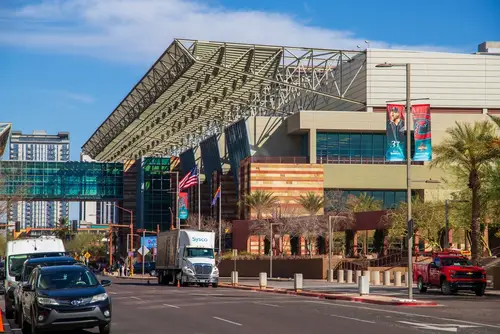
Phoenix promises sunshine and space, but the desert reality can be intense. Summers regularly bring weeks of extreme heat that limit outdoor activity and raise cooling costs. Electricity bills spike during the hottest months. For many newcomers, the heat is more draining than they anticipated.
Water concerns are another long-term downside. The region depends heavily on the Colorado River, which faces ongoing shortages. While cuts often affect agriculture first, residential water use remains a growing concern. That uncertainty can make long-term planning feel uneasy.
7. Tampa, Florida
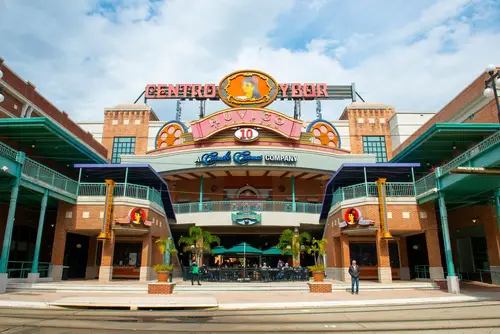
Tampa’s coastal appeal and lack of state income tax attract new residents quickly. Housing prices and insurance costs, however, have climbed sharply. Homeowners face rising premiums due to hurricane risk and flooding concerns. Renters also see higher costs as demand outpaces supply.
Climate-related stress is part of everyday life. Hurricane season brings evacuation plans and anxiety, even if storms don’t hit directly. Flooding can affect neighborhoods far from the beach. The tradeoff for warm winters is constant awareness of weather risk.
8. Salt Lake City, Utah
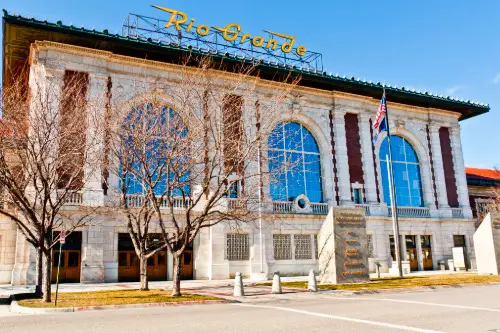
Salt Lake City has a strong job market and stunning scenery, but housing affordability has deteriorated. Rapid population growth pushed prices well beyond what many locals can afford. Rent increases have been especially steep in recent years. Newcomers may struggle to find options near downtown.
Environmental issues also weigh on quality of life. Air quality problems worsen in winter due to temperature inversions. The Great Salt Lake’s shrinking levels raise concerns about dust and long-term health impacts. These challenges complicate the city’s otherwise outdoorsy image.
9. Columbus, Ohio
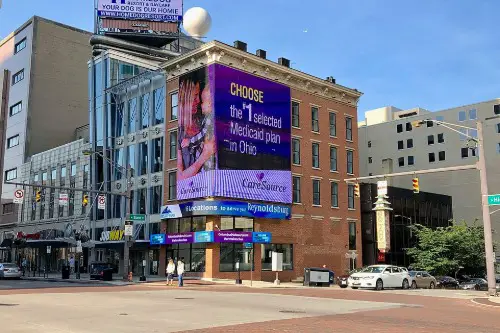
Columbus benefits from steady job growth and a large university presence, but it’s not immune to growing pains. Housing costs have risen faster than many Midwestern transplants expect. Inventory can be tight in desirable neighborhoods. The idea of endless cheap housing no longer fully applies.
Cultural adjustment can be subtle but real. The city lacks the density and transit options of larger metros. Winters are gray and cold, which can affect mood and routines. For people chasing excitement, Columbus may feel quieter than its hype suggests.
10. Greenville, South Carolina
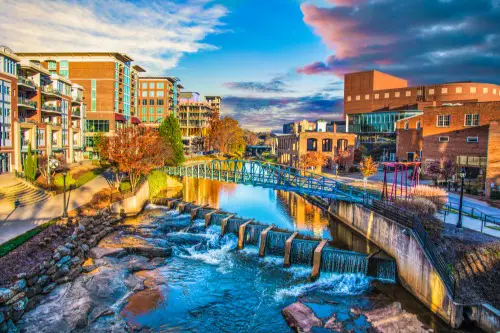
Greenville’s charming downtown and outdoor access have drawn national attention. That popularity has driven up home prices, especially near the city center. Longtime residents increasingly feel priced out. Wages in many industries haven’t risen to match housing costs.
The job market can also be limiting depending on your field. Opportunities cluster in manufacturing, healthcare, and a few major employers. Career growth may require changing industries or commuting. For ambitious professionals, the ceiling can feel lower than expected.
11. Missoula, Montana
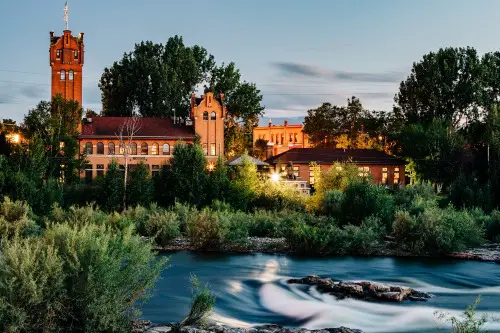
Missoula attracts people seeking small-city life with mountain access, but housing is a major hurdle. Limited supply and increased demand have pushed prices far beyond local incomes. Rentals are scarce, especially near the university. New residents often underestimate how competitive the market is.
Isolation is another adjustment point. Missoula is hours from major cities and airports with extensive routes. Winters are long and snowy, affecting travel and daily routines. That remoteness can feel romantic at first but challenging over time.
12. Bentonville, Arkansas
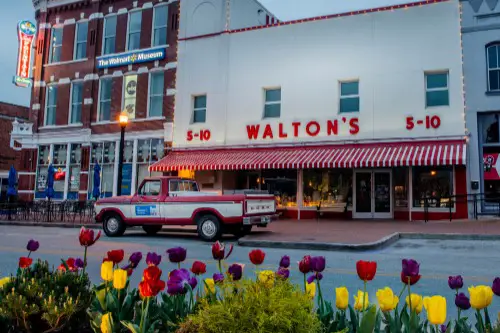
Bentonville’s growth is closely tied to Walmart and its supplier ecosystem. That concentration creates opportunity but also economic dependence. If your career isn’t aligned with retail, logistics, or corporate services, options may be limited. Diversifying professionally can be harder than expected.
The cultural scene, while improving, is still developing. Entertainment and dining choices are narrower than in larger metros. Travel often requires connecting flights or long drives. For some newcomers, the small-town reality sets in faster than anticipated.
This post The Unexpected Downsides of Moving to These “Up-and-Coming” Places was first published on American Charm.