
1. Tennessee

Tennessee does not tax wages, and it has fully phased out its tax on interest and dividends. That makes it attractive for retirees with investment income. However, the state relies heavily on sales taxes for revenue. Combined state and local sales tax rates are among the highest in the country.
Groceries are taxed, though at a lower rate than general merchandise. Property taxes are moderate but can vary significantly by county. Rapid population growth in cities like Nashville has driven up housing costs. Healthcare access in rural areas may be more limited, potentially requiring travel for specialized services.
2. Arizona

Arizona draws retirees with its dry climate and relatively moderate taxes. However, extreme summer heat means electricity bills can spike dramatically as air conditioning runs nonstop. In places like Phoenix, triple-digit temperatures are common for weeks at a time. That steady cooling comes at a cost that surprises many newcomers.
Water scarcity is another concern, and some communities have rising water rates or restrictions. Homeowners associations are common in retirement developments and often charge monthly fees. Property taxes are moderate, but rapidly appreciating home values can push them higher over time. Healthcare costs can also climb in fast-growing metro areas where demand strains provider networks.
3. Nevada

Nevada, like Florida, has no state income tax, which sounds like a win. But the state makes up revenue through sales taxes and various fees. In Clark County, sales tax is among the higher rates nationally. That means everyday purchases cost more than retirees may expect.
Homeowners insurance rates have been rising here too, particularly in wildfire-prone areas. Water rates and conservation measures are ongoing concerns in the desert climate. Property taxes are relatively low, but new construction communities often come with HOA dues. Healthcare access outside the Las Vegas and Reno areas can be limited, sometimes requiring travel for specialized care.
4. Texas

Texas has no state income tax, which attracts retirees looking to stretch their savings. The trade-off is property taxes that are among the highest in the country as a percentage of home value. Even with homestead exemptions for seniors, annual tax bills can be steep. Rapid home appreciation in metro areas has pushed those bills even higher.
Home insurance costs are also elevated in hurricane-prone coastal regions and hail-prone inland areas. Utility bills can rise sharply in the long, hot summers when air conditioning is essential. Toll roads around major cities can add regular commuting costs. Sales taxes are relatively high as well, increasing the cost of day-to-day living.
5. California

California offers beautiful coastlines and mild weather in many regions. But it also has one of the highest state income tax rates in the country. Retirement income like Social Security is not taxed, yet other income sources, including withdrawals from retirement accounts, are. That can significantly affect retirees with sizable savings.
Home prices are among the highest in the nation, driving up property taxes despite Proposition 13 limits. Insurance costs have increased as insurers limit coverage in wildfire-prone areas. Utilities, including electricity, tend to cost more than the national average. Even everyday expenses like groceries and gas often come with a premium price tag.
6. New York

New York exempts Social Security benefits from state income tax. It also allows certain pension income exclusions for residents over age 59½. Still, property taxes in many parts of the state, especially suburban areas, are among the highest in the country. That can outweigh income tax savings for homeowners.
Heating costs in upstate regions can be substantial during long winters. Home maintenance expenses rise with snow removal and cold-weather wear and tear. In New York City and surrounding areas, the cost of housing is particularly steep. Sales taxes and overall living expenses also trend above national averages.
7. North Carolina
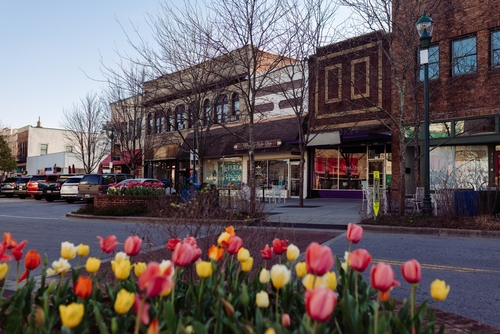
North Carolina has become a retirement favorite for its mild climate and moderate tax structure. The state has a flat income tax rate, which applies to most retirement account withdrawals. While Social Security is not taxed, other income sources are. That surprises some retirees expecting broader exemptions.
Property taxes are generally lower than in the Northeast, but they have risen in fast-growing counties. Hurricane risk along the coast can increase insurance premiums significantly. HOA fees are common in newer retirement communities. Healthcare costs in popular metro areas have climbed as the population grows.
8. South Carolina

South Carolina offers generous deductions on retirement income, including exclusions for certain pension income. Social Security benefits are not taxed at the state level. However, sales taxes are relatively high, and local option taxes can push rates up further. Those extra percentage points add up over time.
Coastal properties can come with high insurance premiums due to hurricane exposure. Flood insurance is often required in at-risk areas. Property taxes are low compared to many states, but second homes are taxed at a higher assessment rate. Rapid growth in popular towns has also increased home prices.
9. Florida

Florida has no state income tax, which is a big reason retirees flock there. But homeowners insurance costs have surged in recent years due to hurricane risk and insurer pullbacks. Many residents have seen premiums double or even triple, especially in coastal areas. On top of that, flood insurance is often a separate policy, adding another layer of expense.
Property taxes also vary widely by county, and while there are homestead exemptions, they don’t erase the bill. Condo owners face special assessments for storm hardening and insurance shortfalls, which can run into the thousands. Utility bills, particularly air conditioning, stay high for much of the year. Add in higher-than-average car insurance rates, and the “tax-free” appeal starts to look more complicated.
10. Georgia
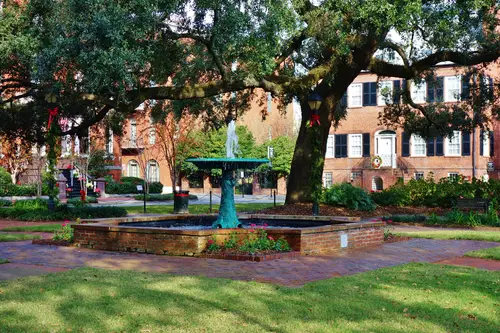
Georgia provides a sizable retirement income exclusion for residents age 62 and older. Social Security benefits are not taxed. Even so, property taxes can be significant in metro Atlanta suburbs. As home values rise, so do assessment-based tax bills.
Hot, humid summers drive up air conditioning costs. Insurance premiums can be higher in areas prone to hurricanes or severe storms. HOA fees are common in planned retirement communities. Traffic congestion in growing regions can also increase transportation costs and wear on vehicles.
11. Colorado

Colorado has a flat state income tax rate that applies to most retirement income. The state offers some deductions for pension and Social Security income, but they are capped. In high-cost areas like Denver and Boulder, housing prices are well above the national median. That can push property taxes and insurance costs higher.
Homeowners in wildfire-prone mountain regions may face rising insurance premiums or limited coverage options. Utilities can be expensive during cold winters, especially in higher elevations. Water rates in some areas reflect ongoing drought concerns. Rapid population growth has also driven up everyday living expenses.
12. Oregon
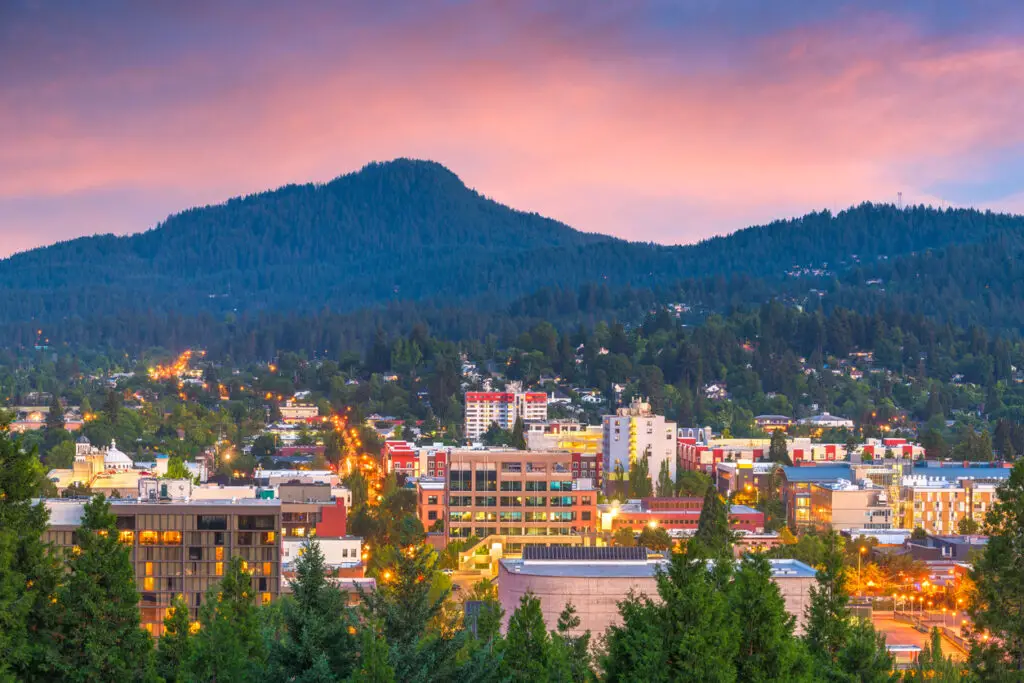
Oregon does not have a state sales tax, which can feel like a relief at checkout. However, it has relatively high state income tax rates. Most retirement account withdrawals are taxed at those rates. Social Security benefits are not taxed, but other income sources are.
Property taxes can be significant, particularly in desirable metro areas like Portland. Wildfire risk has increased insurance costs in some regions. Housing prices have risen sharply in recent years. Healthcare costs in urban centers are often above the national average.
13. Hawaii

Hawaii’s climate and scenery are hard to beat. The state does not tax Social Security benefits and offers certain exclusions for pension income. However, the overall cost of living is among the highest in the nation. Nearly everything, from groceries to household goods, is more expensive due to shipping costs.
Home prices are extremely high, especially on Oahu and Maui. Property taxes are relatively low, but high home values still translate into sizable bills. Utility costs, including electricity, are well above the national average. Inter-island or mainland travel to visit family can also become a regular and costly expense.
14. Idaho
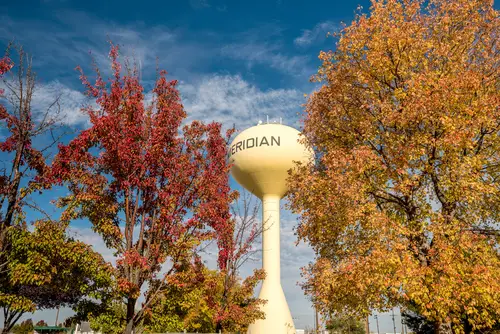
Idaho has grown rapidly as retirees seek scenic beauty and a quieter pace. The state taxes most retirement income, though it provides deductions for certain public pensions. As more people move in, home prices have climbed significantly in cities like Boise. That growth has pushed property taxes higher in some counties.
Wildfire risk in forested areas can affect insurance availability and cost. Winters can be cold and snowy, adding heating and maintenance expenses. Rural healthcare access may be limited, requiring longer drives for specialized care. Infrastructure in fast-growing areas is still catching up, sometimes leading to higher local fees and assessments.
15. Montana

Montana appeals to retirees who want open space and natural beauty. The state taxes most forms of retirement income, including many pensions and withdrawals from retirement accounts. Property taxes have risen in some areas as home values surged. That can be a shock for longtime residents on fixed incomes.
Healthcare access can be limited in rural regions, often requiring travel to larger cities for specialty services. Harsh winters bring higher heating costs and snow removal expenses. Insurance premiums may be affected by wildfire risk in certain parts of the state. The wide distances between towns can also mean higher transportation and fuel costs.
This post The Traps of Living in These Popular Retirement States was first published on American Charm.

