
1. Lower Taxes Come With Higher Everyday Costs

Many retirees move for lower or no state income tax, expecting a clear financial win. What surprises them is how sales taxes, property taxes, or local fees can quietly offset those savings. States without income tax often rely more heavily on these other sources of revenue. The monthly budget can end up tighter than expected.
Housing-related costs are a common shock. Property taxes may reassess at purchase price, not what the previous owner paid. Utility bills can also be higher due to climate, especially in very hot or cold regions. When the math stops working, moving again starts to make sense.
2. Healthcare Access Isn’t What It Looked Like

On paper, the new state had plenty of hospitals and clinics, which made the move feel safe. After arriving, some retirees discover that specialists have long wait times or aren’t accepting new Medicare patients. Rural and fast-growing areas can be especially strained as retiree populations surge faster than healthcare staffing. That gap can become urgent when a chronic condition needs consistent, nearby care.
There’s also the issue of insurance networks changing across state lines. A Medicare Advantage plan that worked well before may suddenly have fewer in-network doctors. Switching plans is possible, but it can mean higher out-of-pocket costs or disrupted care. For people managing health issues, that trade-off often isn’t worth staying.
3. Extreme Weather Becomes a Daily Stressor

Warm winters and sunshine are powerful motivators, especially after decades of shoveling snow. Over time, relentless heat, humidity, or storm seasons can wear people down. Power outages, evacuation orders, and air quality alerts are not just inconveniences for older adults. They can affect health, sleep, and overall quality of life.
Insurance costs are part of this trade-off too. Homeowners insurance in hurricane- or wildfire-prone areas has become more expensive and harder to secure. Some insurers have pulled back coverage entirely in certain regions. That ongoing risk can push retirees to rethink where they settled.
4. Being Far From Family Hits Harder Than Expected

At first, the distance from kids or grandkids feels manageable with flights and video calls. Over time, the lack of spontaneous visits and practical help becomes more noticeable. Life events like illnesses, new babies, or school milestones highlight that gap. Emotional closeness doesn’t always survive geographic distance.
There’s also the reverse concern of needing help later. Retirees often realize they may want family nearby if mobility or health declines. Paid caregiving is expensive and not always reliable. For many, moving back closer to family feels like a safer long-term plan.
5. Car Dependence Becomes Exhausting
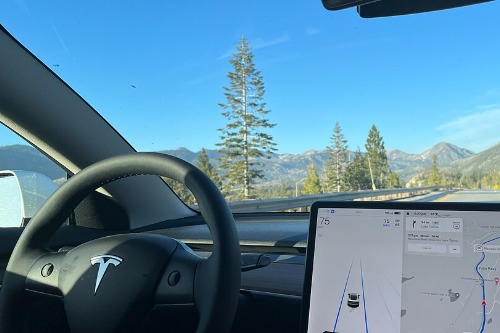
Some retirement destinations look walkable in brochures but function very differently in real life. Daily errands may require long drives on busy roads with limited public transportation. As people age, driving at night or in heavy traffic can become stressful. That loss of ease chips away at independence.
Ride-share services aren’t always a perfect solution. Availability can be inconsistent outside major metro areas, and costs add up quickly. Communities designed around cars can feel isolating if driving becomes difficult. That reality sends some retirees searching for more transit-friendly places.
6. Social Life Is Harder to Rebuild Than Expected

Starting over socially sounds doable, especially in areas marketed to retirees. In practice, making close friends as an adult can take years. Some communities are seasonal, with neighbors leaving for months at a time. That churn can make relationships feel temporary.
Cultural fit matters too. Political climate, religious norms, or local attitudes can feel mismatched after living there awhile. Even small differences can become tiring when they show up every day. Feeling like an outsider is a common reason people pack up again.
7. Housing Isn’t as Affordable as It First Appeared
Initial home prices may look like a bargain compared to where retirees came from. What’s easy to miss are HOA fees, special assessments, and rising maintenance costs. Newer developments often come with strict rules and unexpected expenses. Those costs can climb faster than fixed retirement income.
Renters face their own challenges. Popular retirement areas can see sharp rent increases due to demand. Lease renewals sometimes come with little protection against big jumps. When housing costs feel unpredictable, stability elsewhere becomes appealing.
8. State and Local Services Fall Short
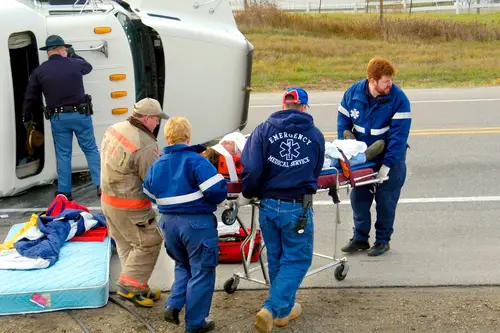
Retirees often assume services will match the growing older population. In reality, senior centers, transit programs, and in-home support can be limited or oversubscribed. Fast-growing counties don’t always scale services quickly. Waiting lists can be long and frustrating.
Healthcare isn’t the only area affected. Things like snow removal, road maintenance, or emergency response times vary widely by location. Lower taxes sometimes mean leaner local governments. When day-to-day services disappoint, the trade-off becomes clearer.
9. Climate Affects Health More Than Expected

Heat isn’t just uncomfortable; it can exacerbate heart and respiratory conditions. Poor air quality from wildfire smoke or pollution can linger for weeks. Humidity can worsen joint pain and make outdoor activity difficult. These effects add up over time.
Doctors often advise limiting exposure, which can mean staying indoors more. That reduces exercise and social interaction, both critical for healthy aging. A climate that once felt appealing can start to feel restrictive. Moving again becomes a health decision, not just a lifestyle one.
10. The Cost of Aging in Place Was Misjudged
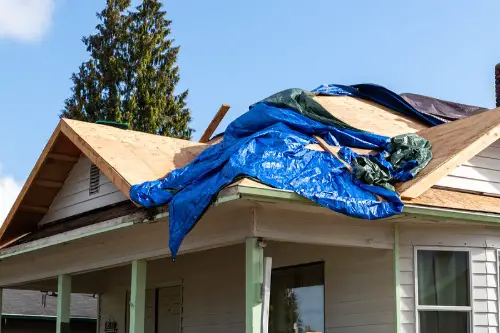
Many retirees plan to stay in their new home for the long haul. They later realize the house isn’t suited for aging, with stairs, narrow doorways, or distant medical care. Retrofitting a home for accessibility can be expensive. Not all communities have good options for downsizing nearby.
Assisted living and long-term care availability also varies by state. Some areas have limited facilities or high costs due to demand. Being in the wrong place at the wrong time can feel risky. That realization prompts a quicker move than originally planned.
11. The “Vacation Feeling” Wears Off
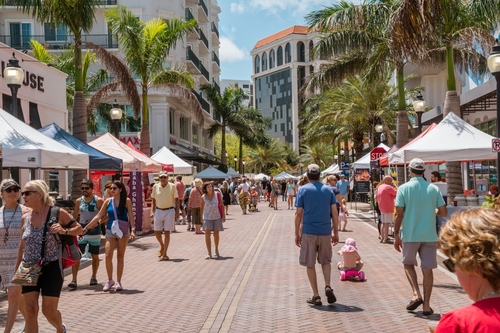
Living somewhere full-time is very different from visiting. Tourist traffic, seasonal crowds, and service fluctuations become daily realities. Places that felt charming for a week can feel hectic year-round. The novelty fades faster than expected.
Daily routines matter more than scenery over time. Grocery stores, doctors, and quiet neighborhoods start to outweigh beaches or views. When everyday life feels harder, the original dream loses its shine. That’s often when retirees decide to move again, sooner than planned.
This post The Trade-Off That Makes Some Retirees Move Again Quickly was first published on American Charm.

