1. QR Codes Quietly Took Over Menus and Sign-Ins
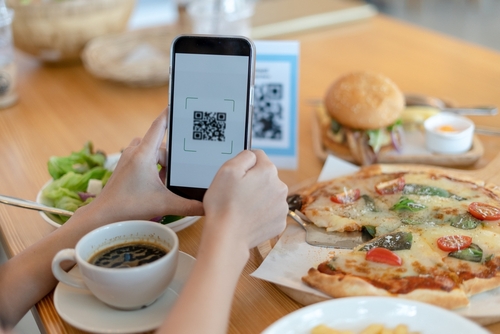
QR codes existed for years but weren’t widely used in the United States. During the pandemic, restaurants began replacing physical menus with QR codes customers could scan with their phones. The approach reduced shared surfaces and made it easy to update menu items instantly. Customers quickly became comfortable pulling out their phones to access menus.
The technology spread to other settings as well. Event check-ins, parking payments, and product information often rely on QR codes now. Smartphone cameras even include built-in scanning features, making the process effortless. Something that once seemed obscure is now part of everyday interactions.
2. Paying With Phones Instead of Wallets
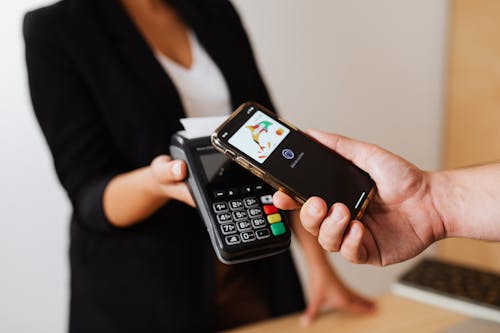
A decade ago, most Americans still reached for a physical wallet at the checkout counter. Now it’s common to see someone tap their phone or smartwatch instead of pulling out a card. Mobile payment systems like Apple Pay and Google Pay quietly spread through grocery stores, gas stations, and even small coffee shops. The shift happened gradually as contactless terminals became standard equipment for retailers.
The pandemic accelerated the change because businesses and customers wanted fewer physical touchpoints. Banks also began issuing cards with built-in tap features, which normalized the behavior even further. Many younger consumers now leave the house with only their phone because it stores cards, tickets, and IDs. What used to feel futuristic now feels completely routine.
3. Self-Checkout Became the Default in Many Stores
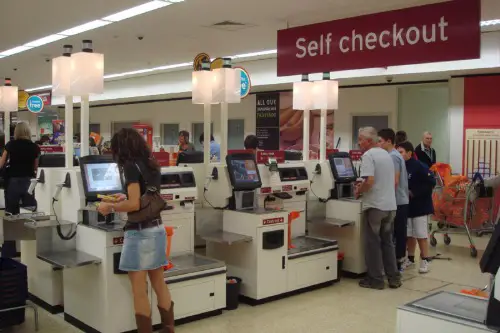
Self-checkout lanes used to be a novelty tucked into the corner of big retailers. Now they’re often the primary way people pay at grocery stores, pharmacies, and big box chains. Stores expanded them gradually as labor costs rose and the technology improved. Many locations now have more self-checkout stations than traditional cashier lanes.
Customers adapted faster than expected. At first people hesitated or struggled with scanning items, but the systems became simpler and more reliable. During busy hours, self-checkout can move lines faster because multiple customers are checking out simultaneously. For many shoppers today, scanning their own items barely feels unusual.
4. Working From Home Became Normalized
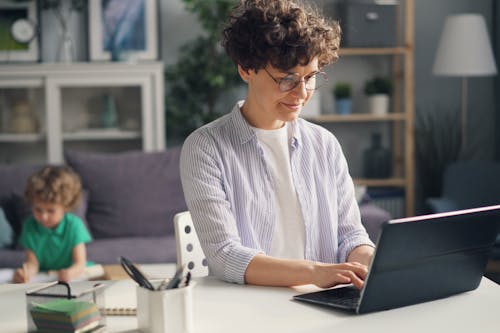
Remote work existed long before 2020, but it was often treated as a rare perk. The COVID-19 pandemic forced millions of Americans to work from home almost overnight. Companies adopted tools like Zoom, Slack, and Microsoft Teams to keep operations running. What started as an emergency solution gradually turned into a long-term workplace shift.
Many employers eventually adopted hybrid schedules instead of fully returning to offices. That change affected commuting patterns, housing decisions, and even lunch habits in major cities. Workers now expect some level of flexibility that wasn’t common before. The idea that productivity requires being physically present in an office has weakened considerably.
5. Grocery Pickup and Delivery Became Everyday Options
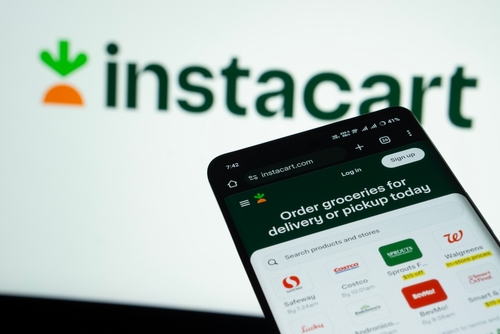
Online grocery shopping existed before the pandemic, but it wasn’t widely used. When lockdowns began in 2020, millions of Americans tried curbside pickup or home delivery for the first time. Major chains like Walmart, Target, and Kroger rapidly expanded these services to meet demand. What started as a necessity became a convenient routine for many families.
Today it’s common to see designated pickup parking spots outside grocery stores. Busy parents and commuters often schedule pickup orders to avoid walking the aisles. Delivery apps and store memberships made the service more accessible and affordable. As a result, grocery shopping for many people now happens on a phone screen rather than in a cart.
6. Digital Tickets Replaced Printed Ones
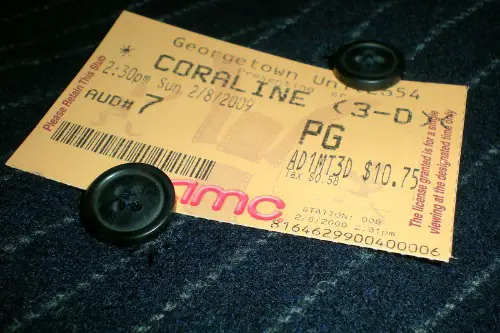
Concerts, flights, sporting events, and movie theaters increasingly rely on digital tickets. Instead of printing confirmation emails, most people simply scan a barcode from their phone. Airlines especially pushed this transition with mobile boarding passes integrated into their apps. Over time, it became the faster and easier option for both travelers and venues.
This shift also changed how people store and organize event information. Tickets are now linked to apps, digital wallets, or email accounts rather than paper stubs. Venues benefit because digital systems reduce fraud and simplify entry lines. Many people now realize they haven’t printed a ticket in years.
7. People Text Businesses Instead of Calling Them
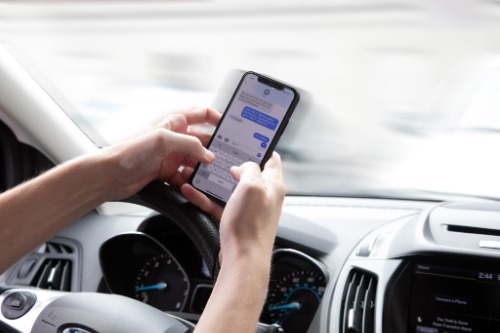
Not long ago, contacting a business usually meant making a phone call. Today many companies communicate with customers through text messages, web chat, or messaging apps. Appointment confirmations, delivery updates, and customer service replies often arrive as automated texts. This change reflects how comfortable Americans have become with text-based communication.
Businesses adopted texting partly because customers prefer it. People can respond quickly without pausing their day for a phone conversation. It also allows companies to send reminders and updates instantly. The result is that phone calls, once the default form of customer service, feel increasingly old-fashioned.
8. Smart Devices Slowly Entered Everyday Homes
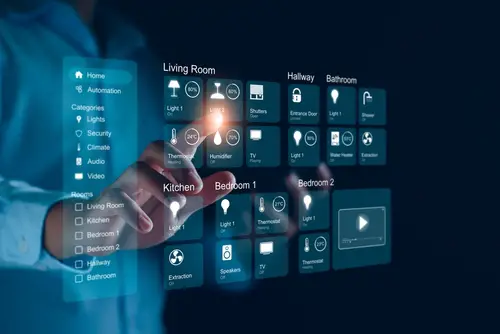
Smart speakers, connected thermostats, and app-controlled lights were once niche gadgets. Over the past decade, devices like Amazon Echo and Google Nest gradually entered millions of homes. They became more affordable and easier to set up, which encouraged wider adoption. Many households now use voice commands to play music, check weather, or control lights.
The change happened subtly because each device seemed small on its own. Over time, however, these gadgets created a broader ecosystem of connected technology in everyday life. Families might start with a smart speaker and later add doorbell cameras or security systems. The home environment itself has quietly become more digital.
9. Fitness Tracking Became a Daily Habit
Step counters used to be simple pedometers clipped to a belt. Today smartphones and smartwatches automatically track steps, heart rate, sleep, and workouts. Devices like Fitbit and the Apple Watch made personal health data easy to access and understand. Millions of Americans now glance at daily activity rings or step counts without thinking twice.
This shift changed how people think about exercise and wellness. Instead of relying on vague goals like “be more active,” users see measurable data about their movement. Notifications encourage people to stand, walk, or complete workouts. For many, health tracking has become a quiet background feature of everyday life.
10. Streaming Quietly Replaced Traditional TV Habits
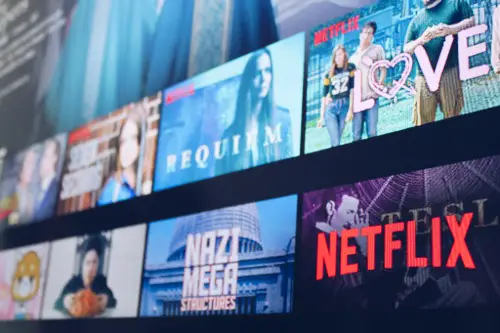
Ten years ago, “watching TV” usually meant turning on cable at a specific time. Now Americans are far more likely to open a streaming app and pick something on demand. Platforms like Netflix, Hulu, and Disney+ steadily chipped away at cable viewership throughout the 2010s. The result is that many households no longer have traditional cable subscriptions at all.
This change also altered how people talk about shows and movies. Instead of waiting for weekly episodes, entire seasons often drop at once and people binge them over a weekend. That shift changed viewing schedules, social conversations, and even how shows are written. Writers now often structure stories assuming viewers might watch several episodes back-to-back.
11. Subscriptions Became the Default Way to Pay for Services
In the past, people usually bought products or paid one-time fees for entertainment and software. Today Americans subscribe to everything from streaming platforms to meal kits and cloud storage. Companies discovered that subscription models create steady revenue and ongoing customer relationships. As a result, monthly fees quietly replaced many traditional purchases.
Consumers adapted because subscriptions often feel convenient and manageable. Instead of a large upfront cost, services are bundled into small recurring payments. Over time, however, households accumulate multiple subscriptions they barely think about. What started with streaming media has expanded into a much broader “subscription economy.”
This post The Small Lifestyle Changes Americans Didn’t Notice Happening was first published on American Charm.