
1. Blue Reflectors on the Road
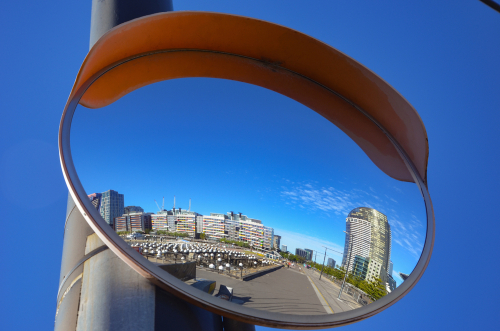
If you’ve ever noticed small blue reflectors embedded in the pavement, they’re not random. They typically mark the location of nearby fire hydrants. At night or in bad weather, firefighters can quickly spot water sources without searching visually. It’s especially helpful when hydrants are hidden by snow or parked cars.
These markers are placed directly in line with the hydrant on the curb. Once you know what they mean, you start seeing them everywhere. They’re a subtle but smart addition to neighborhood safety. Most drivers never realize they’re guiding emergency response.
2. Fire Hydrant Colors
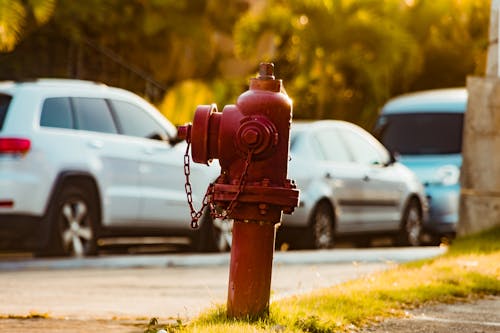
Those bright fire hydrants aren’t just painted for visibility. In many communities, the colors actually signal water flow capacity for firefighters. For example, the top or caps may be coded to show how many gallons per minute the hydrant can deliver. That helps crews make quick decisions during emergencies.
The exact color system can vary by municipality, which is why not every hydrant looks the same. Still, the idea is widely used across the U.S. You might walk past one every day without realizing it’s quietly communicating critical information. It’s a small detail with life-saving implications.
3. Mailbox Flags

That little red flag on a mailbox has a very specific purpose. When you raise it, it signals to your mail carrier that there’s outgoing mail inside. This system became standard with the rise of curbside mail delivery in the 20th century. It allowed carriers to serve entire neighborhoods without leaving their vehicles.
Lowering the flag indicates that the outgoing mail has been picked up. It’s a simple, low-tech communication method that still works perfectly. Even in the digital age, it remains widely used. It’s one of the most quietly efficient systems in everyday life.
4. Purple Fence Posts
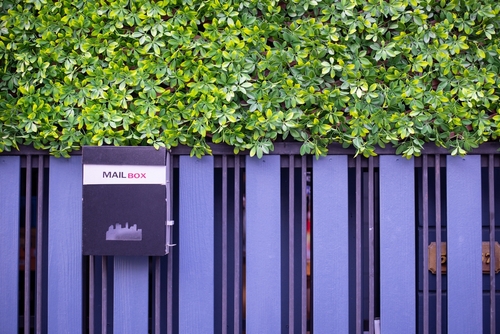
In many states, purple paint on fence posts or trees isn’t decorative. It’s legally recognized as a “no trespassing” notice. Property owners use it instead of signs because it’s harder to remove or ignore. The exact rules vary, but the meaning is consistent where it’s adopted.
This system is especially common in rural and semi-rural areas. It helps mark boundaries clearly without constant maintenance. If you see purple markings, it’s best to stay out unless you have permission. It’s a coded warning hiding in plain sight.
5. Sidewalk Ramps with Bumpy Surfaces
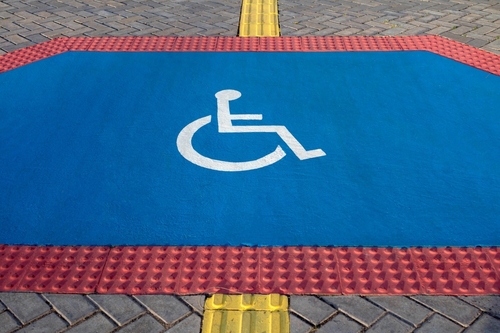
Those textured, bumpy panels at crosswalk ramps are called detectable warning surfaces. They’re designed to help visually impaired pedestrians identify street edges. The raised domes can be felt underfoot or with a cane. It’s part of accessibility standards required under federal law.
They also provide traction and signal a transition from sidewalk to roadway. Once you know their purpose, they stand out as intentional design rather than decoration. They’re a reminder of how infrastructure can quietly support independence. Most people step on them daily without a second thought.
6. Double Yellow Lines on Roads

Double yellow lines aren’t just about dividing traffic directions. They specifically indicate that passing is restricted in both directions. This is usually because of visibility issues like curves or hills. It’s a safety measure based on road design and accident risk.
Single dashed yellow lines, by contrast, allow passing when safe. These markings create a shared understanding among drivers. You absorb their meaning through experience rather than formal instruction. It’s a kind of visual language learned over time.
7. Green Utility Boxes
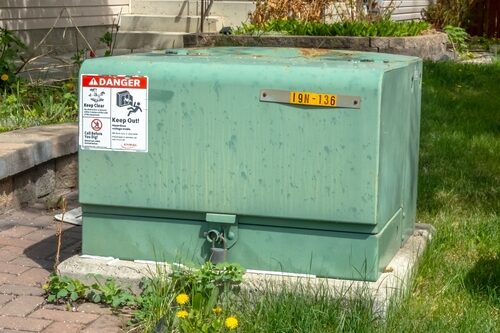
Those green metal boxes scattered across lawns and sidewalks are more important than they look. They usually house electrical transformers, cable connections, or telecommunications equipment. Their placement reflects the shift to underground utility systems in many neighborhoods. That helps reduce outages from weather and improves aesthetics.
They’re intentionally accessible for maintenance crews but off-limits to the public. Warning labels often indicate high voltage or restricted access. Kids might see them as harmless fixtures, but they play a key role in daily infrastructure. They’re the hidden backbone of modern connectivity.
8. House Numbers on Curbs

In some neighborhoods, you’ll see house numbers painted directly on the curb. This isn’t just decorative or redundant. It helps emergency responders locate addresses quickly, especially at night or in areas where mailboxes aren’t visible. Seconds can matter in urgent situations.
Curb numbers are often added by local programs or community initiatives. They provide a clear, standardized location for address information. Even delivery drivers benefit from the extra visibility. It’s a small upgrade that improves navigation for everyone.
9. Storm Drain Markings
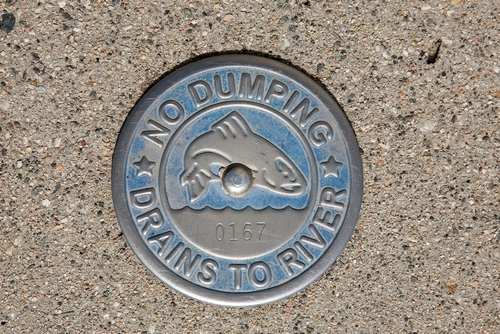
Many storm drains are labeled with warnings like “No Dumping – Drains to Waterway.” These messages aren’t just informational, they’re part of environmental protection efforts. Anything poured into those drains often flows directly into rivers, lakes, or oceans. There’s usually no treatment process involved.
Cities use these markings to remind residents that stormwater systems are separate from sewage systems. It’s an easy detail to overlook while walking down the street. But it carries a clear message about pollution and responsibility. The curb becomes a quiet environmental signpost.
10. Little Free Libraries
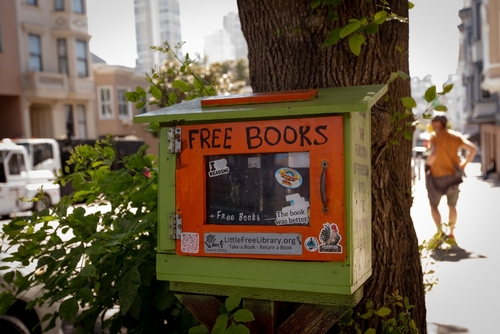
Those small wooden boxes filled with books operate on a simple principle: take one, leave one. They’re part of a grassroots movement to promote literacy and community sharing. Anyone can use them without registration or fees. They turn ordinary sidewalks into informal gathering points.
Each one is maintained by a local resident or group. Their presence signals a neighborhood value around trust and participation. You’ll often find them stocked with a mix of children’s books and adult reads. They’re tiny, but they say a lot about community culture.
11. Yellow Fire Lane Curbs

Curbs painted bright yellow often indicate fire lanes. Parking in these areas is restricted to keep access clear for emergency vehicles. The markings are usually found near apartment complexes, schools, and commercial areas. They ensure fire trucks can get close to buildings when needed.
Even short-term parking in these zones can create serious hazards. That’s why enforcement is often strict. The paint acts as a constant visual reminder of emergency access needs. It’s another everyday feature with a purpose that only becomes obvious when it’s needed.
This post The Secret Meanings Behind Features You Pass Every Day in American Neighborhoods was first published on American Charm.

