1. Daily Newspaper Delivery
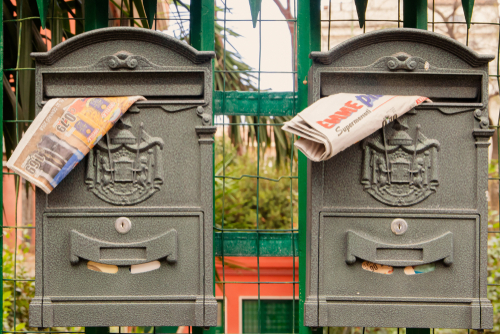
For decades, Americans could rely on a crisp paper arriving on their doorstep every morning, often before sunrise. It was more than just news—it was a ritual: coffee in hand, scanning the headlines, maybe clipping coupons. Families structured their mornings around it, and kids memorized comic strips and sports scores. It felt permanent, like the background of everyday life.
But digital news and changing reading habits have drastically shrunk home delivery. Many local papers have folded, and the ones left often focus online first. Subscriptions have dwindled as social media and news apps dominate. People who remember the familiar “thud” of the morning paper now feel nostalgic for a rhythm that’s vanished.
2. Full-Service Gas Stations
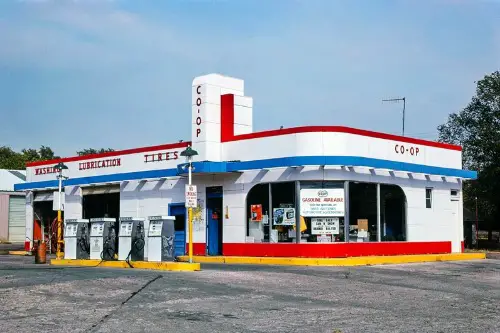
Gas stations weren’t just places to fill up—they were small community stops with attendants who pumped your gas, washed your windshield, and checked your oil. Many Americans assumed this personal service would always be there, a reassuring part of road trips and daily commutes. It was convenient and a tiny symbol of friendliness in everyday life. People grew up expecting a human touch in their mundane errands.
Self-service stations and rising labor costs have largely replaced the full-service model. In many states, attendants are rare or even illegal for self-service pumps. This shift has changed the experience of driving, with less interaction and more automation. The old charm of being helped at every turn feels like a relic of the past.
3. Neighborhood Video Rental Stores
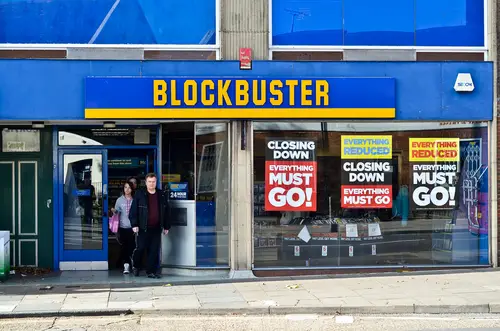
Blockbuster, Hollywood Video, and mom-and-pop video stores were fixtures of suburban streets. Families planned Friday nights around picking up the latest releases and chatting with store clerks for recommendations. Video stores fostered social connection and a sense of shared entertainment culture. They gave people tangible access to movies long before streaming existed.
Streaming services and digital rentals changed everything practically overnight. The tactile joy of browsing shelves and handling cases vanished. Physical media sales plummeted, forcing these local businesses to close. What was once a weekly outing is now a click-and-play experience at home.
4. Routine Home Phone Lines

A home phone used to be a non-negotiable, a corded lifeline connecting households to friends, family, and emergency services. Americans counted on this single device being there for decades, often placing it in a central area of the house. It shaped how families communicated, dictated schedules, and even served as a status symbol. The idea of not having one seemed impossible.
Cell phones and internet-based calling have rendered many landlines obsolete. Some households no longer maintain any wired connection at all. This has changed emergency protocols, family routines, and even how neighbors interact. The familiar ring of a home phone is now a rare sound, remembered more than experienced.
5. Coin-Operated Payphones
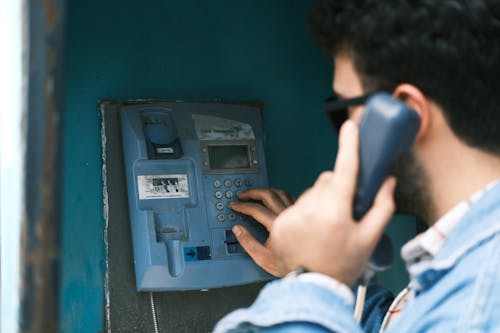
Payphones were everywhere: street corners, malls, airports, and train stations. Americans assumed they would always be around for emergencies, casual calls, or those who didn’t have a home phone. They offered accessibility and a sense of security when you were out and about. People felt comforted knowing there was always one nearby.
The rise of mobile phones made payphones nearly obsolete. Many have been removed entirely or fallen into disrepair. They no longer serve as a safety net for communication in public spaces. What was once a public utility has become a piece of nostalgia.
6. In-Person Banking
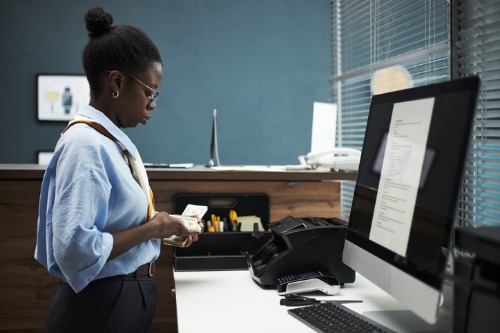
Walking into a bank and speaking with a teller was once a staple of financial life. Deposits, withdrawals, and check cashing were routine, with a personal touch and human guidance. People built relationships with their local bank employees, who often knew them by name. This made banking feel secure, tangible, and trustworthy.
Online banking and ATMs changed the game, reducing the need for face-to-face interactions. Mobile apps now handle nearly every transaction without stepping into a branch. While more convenient, the personal connection has faded. Many Americans miss the simplicity and human element of in-person banking.
7. Regular Mail-Order Catalogs
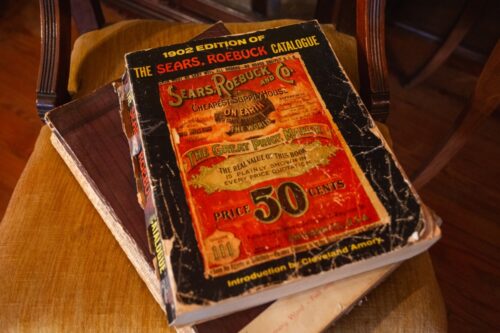
Before Amazon and fast shipping, catalogs were a beloved window into fashion, gadgets, and home goods. Families would flip through them for hours, circling items they wanted to order. It was a slow, anticipatory experience, with excitement building for the package that would arrive weeks later. The expectation was that catalogs would keep coming season after season.
Digital shopping and targeted ads have ended the heyday of mail-order catalogs. Many companies either stopped printing them or drastically reduced their circulation. The tactile joy of browsing pages has been replaced by endless scrolling online. For some, it’s a loss of a slower, more deliberate shopping ritual.
8. Daily Milk Delivery
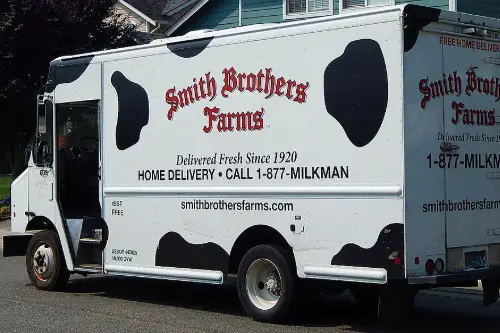
Milk delivery was once so common that families relied on a doorstep drop-off for fresh dairy. It symbolized convenience, freshness, and a local connection to producers. Kids would leave coins on the porch, and bottles were returned and reused, creating a sense of routine and sustainability. Americans assumed it was a permanent fixture of suburban life.
Supermarkets and refrigeration changes ended widespread milk delivery. Today, home delivery of milk is rare and often part of broader grocery subscription services. The ritual of a milkman’s visit has faded into memory. What remains is nostalgia for the simple predictability of daily drops.
9. Video Arcade Centers
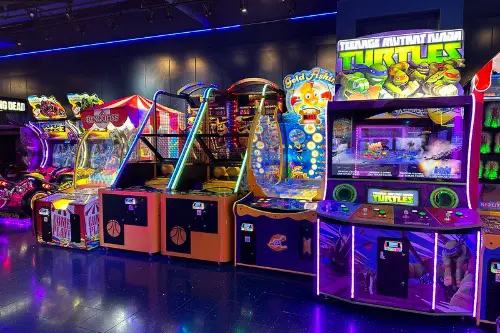
Arcades were social hubs where teens and young adults spent hours on pinball machines and early video games. It was a cultural ritual, combining entertainment, competition, and community. People assumed these centers would always exist wherever young people gathered. They were a cornerstone of 1980s and ’90s pop culture.
Home consoles and online gaming gradually made arcades obsolete. The communal experience of physically gathering for high scores disappeared. Arcades survive only as niche or retro attractions. The idea of a local arcade being part of daily life now seems almost impossible.
10. Typewriter-Centric Offices
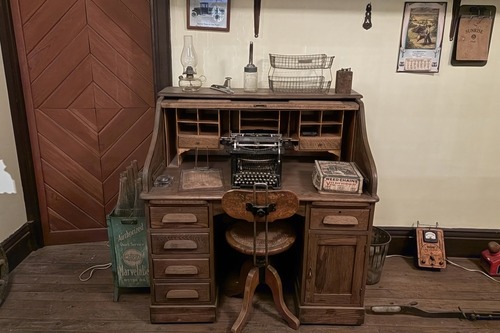
Before computers, typewriters ruled offices, classrooms, and homes for professional correspondence. Every document was tactile, precise, and required skill and care. Secretaries, students, and writers relied on them, assuming this technology would endure. The rhythm of clacking keys defined workplace productivity.
Computers, word processors, and printers replaced typewriters completely. Offices transitioned to digital workflows, making the typewriter a museum piece. The tactile and mechanical satisfaction vanished alongside them. For many, it’s hard to imagine life without instant digital editing and email.
11. Local Ice Delivery
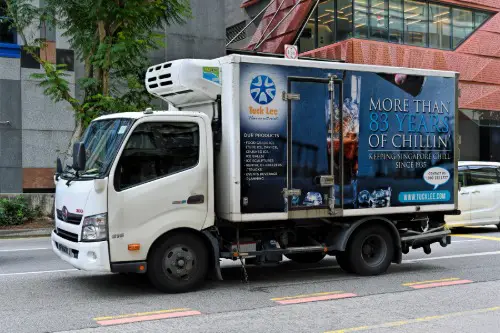
Before widespread refrigeration, ice was delivered to homes to keep food and drinks cold. Customers scheduled deliveries, and icemen became familiar figures in neighborhoods. It was part of daily life, shaping how households stored perishable items. Americans assumed ice delivery would remain a routine necessity.
Electric refrigerators made ice delivery nearly extinct. Today, ice is usually made on-demand in freezers or purchased at convenience stores. The personal service of someone bringing ice to your door is a relic. It’s a small reminder of how technology quietly transformed everyday routines.
This post The Routines Americans Thought Would Always Be There was first published on American Charm.