1. Lake Havasu City, Arizona
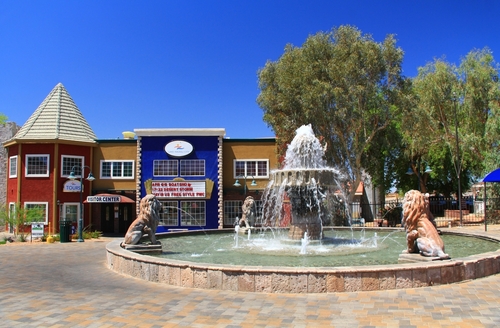
Lake Havasu City draws people with its boating culture and sunny weather, but it comes with trade-offs. Summers are brutally hot, often surpassing 110 degrees, which can be a health risk. The city is small, and while it has amenities, choices for healthcare, entertainment, and dining are limited compared to larger cities. Housing costs have been rising due to demand from seasonal residents and snowbirds.
Water-based recreation is a huge draw, but it also means the area is crowded during peak seasons. Traffic and parking around the lake can be frustrating, especially for retirees who want peace and quiet. The nightlife is geared toward tourists, so cultural experiences for locals are limited. Overall, it’s a paradise for sun-loving, boat-obsessed retirees—but less ideal for those seeking year-round comfort and variety.
2. The Villages, Florida

The Villages is famously marketed as a retirement paradise, but it has its quirks. The town is almost entirely made up of retirees, which can make it feel isolating if you’re looking for a mix of ages or more cultural diversity. It’s extremely car-dependent, so if you’re not a fan of driving everywhere, you might feel trapped. Traffic congestion, especially during peak activity times, is surprisingly intense for such a small area.
Many people also note that the social scene can be overwhelming if you’re not into the organized clubs and constant social calendars. Homes and HOA fees have been rising steadily, making it less accessible for middle-income retirees. While it’s sunny and cheerful, the atmosphere can feel a little manufactured or “cookie-cutter” to some. That’s why it’s on the list—not because it’s bad, but because it’s not for everyone.
3. Branson, Missouri
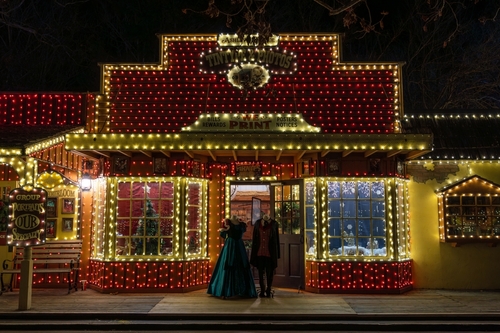
Branson is known for live music and shows, which makes it appealing at first glance. The problem is that the economy is heavily reliant on tourism, which can make prices fluctuate and limit employment options if you’re working part-time in retirement. It’s also a small town vibe, which some retirees love, but others find too slow or limiting. Healthcare access outside of major centers can be a challenge, especially for more serious conditions.
The town does have charming Ozark scenery, but living in a tourism-heavy town means constant noise and crowds during peak season. Winters can be unexpectedly harsh and long, which might catch those moving from warmer climates off guard. Housing prices have increased as more people discover Branson, reducing the “small-town bargain” appeal. Retirees should weigh the trade-offs of fun tourist amenities versus long-term convenience and healthcare access.
4. Pigeon Forge, Tennessee

Pigeon Forge is another entertainment-heavy town, famous for Dollywood and its kitschy attractions. While it might feel fun at first, the town’s constant tourist traffic can be exhausting. Local infrastructure struggles to keep up with seasonal surges, which means crowded roads and limited services. It’s also a bit isolated, making trips to larger cities for specialized healthcare or shopping cumbersome.
Real estate prices have been creeping up, driven by short-term rental demand, which can make it harder to find affordable, stable housing. Noise pollution and busy streets aren’t what most people envision for a peaceful retirement. Job opportunities for part-time work are tied to tourism, which fluctuates with the economy. Some retirees discover that the novelty wears off quickly once the crowds are constant.
5. Myrtle Beach, South Carolina
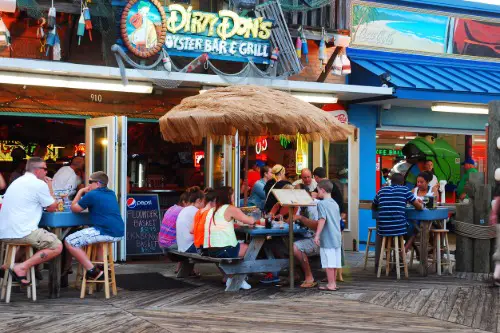
Myrtle Beach has long been a retirement hotspot because of its beaches, but the downsides are hard to ignore. Tourism dominates the economy, which brings seasonal chaos, especially in summer. Affordable housing is becoming harder to find as retirees and vacationers compete with short-term rentals. The area also experiences a higher rate of crime compared to other retirement towns of similar size.
Healthcare access can be uneven outside the larger regional centers. Hurricanes and flooding are real risks, especially for waterfront properties. While the beach lifestyle is appealing, constant construction and tourist crowds can make daily life stressful. Retirees often realize that “vacation vibes” don’t always translate to peaceful, permanent living.
6. Las Vegas, Nevada
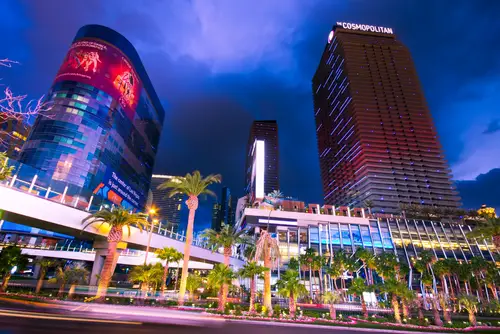
Las Vegas might seem exciting for retirees because of the entertainment and lack of state income tax. The problem is the city’s reputation for 24/7 noise, gambling, and party culture. Outside the tourist corridor, neighborhoods can be starkly different and feel somewhat sterile. Summers are extremely hot, which can limit outdoor activity for health-conscious retirees.
Healthcare is available but can be expensive without proper insurance. Traffic and urban sprawl make commuting frustrating, even if you’re technically “retired.” Additionally, cost-of-living increases are outpacing wage growth, which can strain fixed-income budgets. While some retirees thrive on the energy, others quickly realize it’s more stressful than relaxing.
7. Ocean City, Maryland
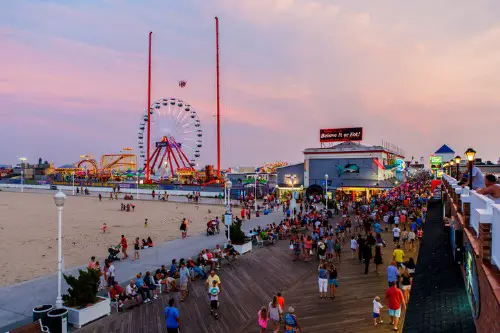
Ocean City offers classic East Coast beach charm, but it’s very seasonal. Summers bring huge crowds, which can make everything from grocery shopping to medical appointments stressful. Off-season, the town quiets down drastically, leaving fewer amenities and social options. This boom-and-bust rhythm is not ideal for those seeking consistent community engagement year-round.
Housing is heavily influenced by vacation rentals, pushing prices up. Winters can be cold and damp, which might be a shock to those expecting a mild coastal climate. Healthcare is limited to small hospitals, with serious conditions requiring travel. Ocean City is beautiful, but the seasonal lifestyle requires careful planning and adaptability.
8. Phoenix, Arizona
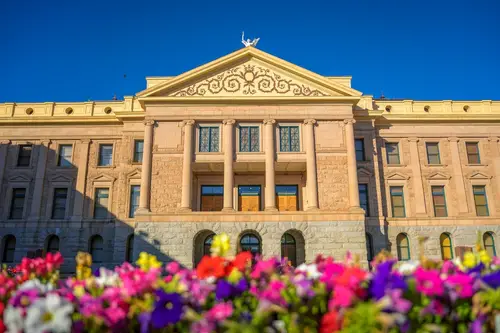
Phoenix attracts retirees with sunshine and golf, but it comes with its own set of challenges. Summer heat is extreme, with daily highs often over 110 degrees, which can limit outdoor activity. The city is sprawling, making transportation and errands dependent on cars. Rising housing costs in desirable neighborhoods are pushing many retirees to the outskirts, adding commute times for services.
Air quality can be poor due to dust and pollution, which can aggravate respiratory conditions. While healthcare is generally good, access can be limited in suburban areas. Public recreation areas are crowded, and water scarcity is a growing concern. Phoenix is appealing for warmth, but the extreme conditions require a strong tolerance for heat and sun exposure.
9. Sarasota, Florida
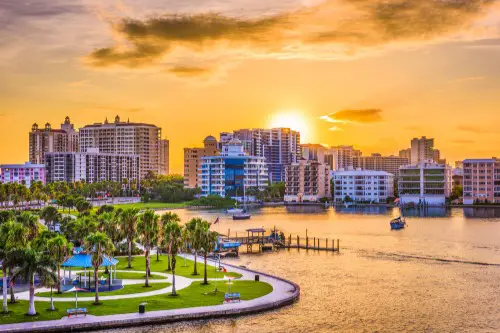
Sarasota offers beaches, art, and culture, which seems perfect—but it comes with high living costs. Real estate prices have risen sharply, especially for waterfront properties, making it challenging for middle-income retirees. While the arts scene is vibrant, it can feel pretentious or exclusive depending on your social circle. Traffic congestion is common, particularly near popular beach areas.
Hurricanes and tropical storms pose an ongoing risk, which can impact insurance premiums. Some retirees find the social scene cliquish, making it harder to form new friendships. Healthcare is available but expensive compared to smaller towns. Sarasota is a cautionary tale: it’s lovely, but financial and weather realities need careful consideration.
10. Palm Springs, California
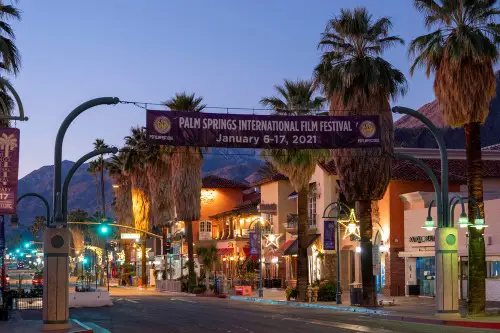
Palm Springs has a reputation as a glamorous desert retreat, but it’s not for everyone. Housing is very expensive, particularly for retirees on a fixed income. Summers are scorchingly hot, often above 110 degrees, making outdoor activities uncomfortable. The city is also very seasonal, with “snowbirds” dramatically increasing the population in winter months.
Healthcare options exist, but specialized care may require travel to larger cities like Los Angeles. Noise and tourism can make the town feel less private than retirees expect. While the mid-century modern architecture and poolside lifestyle are iconic, it’s not the peaceful desert escape it’s marketed to be. The reality often includes high costs and extreme weather rather than glamour.
11. Briny Breezes, Florida
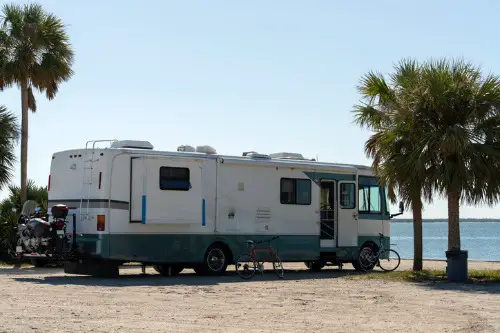
Briny Breezes is tiny, with fewer than 500 residents, which may seem quaint at first. The reality is that it’s extremely limited in amenities, shopping, and healthcare options. The town is highly exposed to hurricanes and rising sea levels, which raises long-term safety concerns. Roads and infrastructure are minimal, and many services require travel outside the town.
Social life is insular, as everyone knows everyone else, which can be cozy or stifling. Property values are rising due to its rarity and beachfront location, but that doesn’t guarantee modern conveniences. The town’s extreme smallness and environmental risks make it more of a gamble than a sure retirement spot. Briny Breezes is best understood as a unique, niche choice—not a mainstream safe retirement town.
This post The Retirement Towns Everyone Warned You About was first published on American Charm.