
1. Boise, Idaho
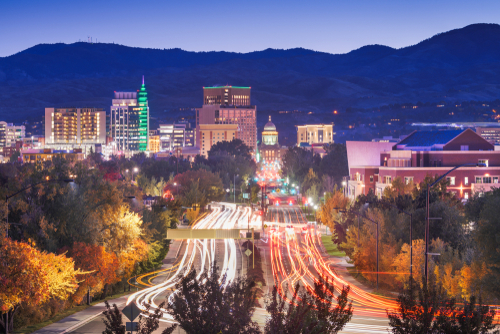
Boise gained popularity as a quieter, more affordable alternative to West Coast cities. That affordability has largely disappeared as home prices skyrocketed. Retirees who move now often pay far more than planned. The market has changed faster than expectations.
Healthcare access can be limited for specialized needs. Many retirees must travel for advanced treatment. Winters are long and cold, which can feel isolating. Some retirees realize the trade-offs weren’t fully thought through.
2. The Villages, Florida

On paper, The Villages looks like retirement perfection with golf carts, clubs, and nonstop social activities. Many retirees move expecting low costs and endless sunshine, then feel blindsided by how quickly expenses add up. HOA fees, amenity charges, and rising insurance premiums often cost far more than newcomers anticipate. For people on fixed incomes, those monthly surprises can sting.
Another common regret is the lack of nearby high-quality healthcare for complex medical needs. While routine care is available, specialists and major hospitals often require long drives. Summers are brutally hot and humid, limiting outdoor activity for months at a time. Some retirees also realize the lifestyle feels more curated than authentic.
3. Phoenix, Arizona
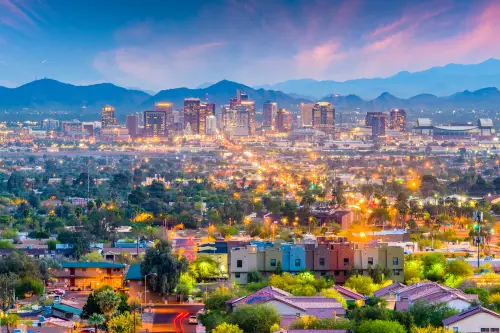
Phoenix attracts retirees with its dry climate, golf courses, and initially affordable housing. What many don’t expect is how extreme the heat has become, with long stretches of triple-digit temperatures. Summers can feel isolating, forcing people indoors day after day. That reality clashes with expectations of an active retirement.
Healthcare access is generally solid, but rapid population growth has strained the system. Traffic congestion has increased noticeably, especially in suburban retirement areas. Water scarcity is an ongoing concern that worries long-term residents. Over time, the desert appeal can start to wear thin.
4. Las Vegas, Nevada
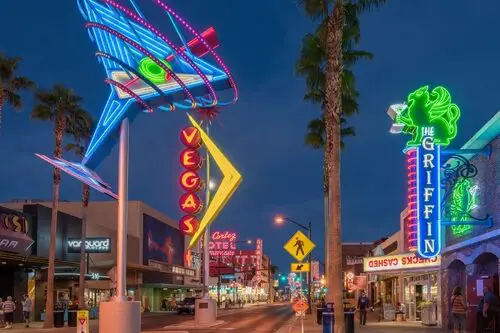
Las Vegas often appeals to retirees because Nevada has no state income tax. However, the cost of living has risen sharply, especially housing, utilities, and groceries. Many retirees find their savings don’t stretch as far as expected. Tourist-driven pricing affects even everyday errands.
Healthcare is a frequent source of regret. Access to specialists can be limited, and some retirees travel out of state for major care. The city’s transient population can make it harder to form lasting friendships. For many, the novelty eventually fades.
5. Austin, Texas
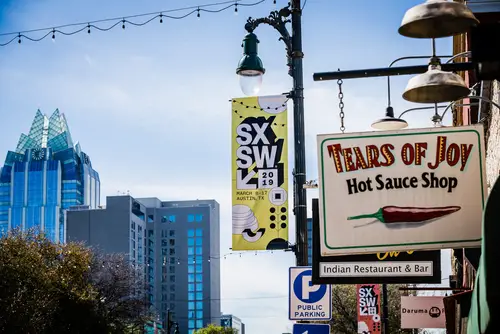
Austin’s culture, food scene, and mild winters draw retirees seeking energy and variety. The downside is that Austin has become one of the most expensive cities in Texas. Property taxes are high, and housing prices have surged. Retirees who move later often feel financially squeezed.
Traffic congestion is another major issue. What once felt laid-back now feels crowded and stressful. Healthcare quality is good, but appointment wait times have grown with the population. Some retirees wish they had chosen a quieter Texas city instead.
6. Denver, Colorado
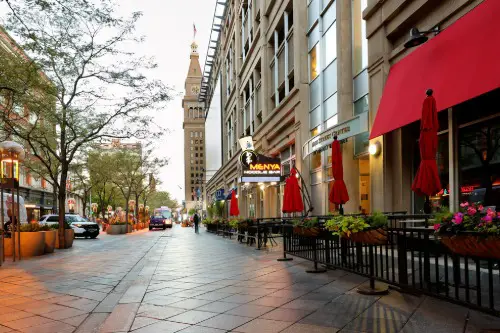
Denver appeals to retirees who love sunshine, scenery, and outdoor recreation. The cost of living, however, is well above the national average. Housing prices and property taxes frequently shock newcomers. Fixed incomes don’t always keep pace with expenses.
Altitude is another challenge many retirees underestimate. Breathing difficulties and fatigue are common, especially for those with heart or lung issues. Winters bring snow, ice, and sudden weather swings. What feels invigorating at first can become physically demanding.
7. Nashville, Tennessee
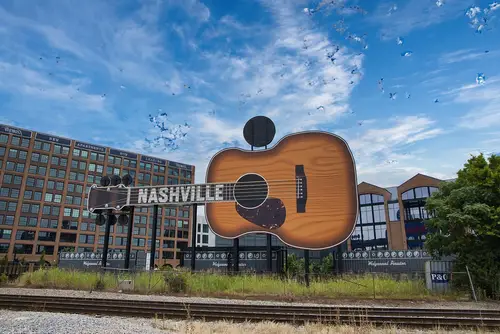
Nashville attracts retirees with its music scene and lack of state income tax. Unfortunately, its popularity has driven up housing costs dramatically. What once felt affordable now feels competitive. Tourism also affects everyday life more than expected.
Healthcare quality is strong, but sprawl and traffic complicate access. Summers are hot and humid, limiting outdoor enjoyment. Noise and short-term rentals frustrate many retirees. The city often feels busier than anticipated.
8. Myrtle Beach, South Carolina

Myrtle Beach appeals to retirees with beaches and relatively low home prices. Many later regret underestimating hurricane risk and insurance costs. Flood insurance and storm repairs can strain retirement budgets. Coastal living brings ongoing financial uncertainty.
Healthcare access is another common concern. Specialized care may require long drives. Tourist crowds dominate much of the year, affecting traffic and services. Some retirees find the area better suited for vacations than daily life.
9. Palm Springs, California

Palm Springs draws retirees with sunshine, golf, and resort-style living. The extreme desert heat is often underestimated. Summers regularly exceed 110 degrees, keeping people indoors. That limits social and physical activity for months.
Costs are another major regret. Housing, utilities, and California taxes add up quickly. While healthcare exists locally, advanced care often requires travel. Many retirees love visiting more than living there full-time.
10. New Orleans, Louisiana
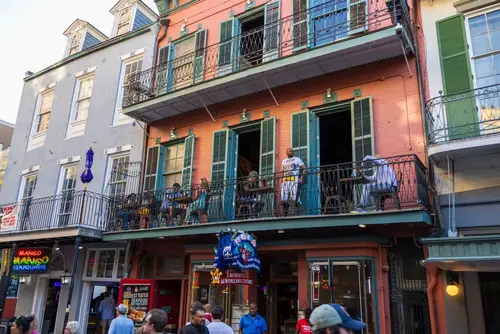
New Orleans attracts retirees who value culture, food, and history. Infrastructure problems frequently catch newcomers off guard. Flooding, poor road conditions, and unreliable services create daily stress. Insurance costs are high due to storm risk.
Healthcare quality varies widely by area. Finding consistent care can take effort and patience. Heat and humidity are challenging for many older adults. Over time, the charm can be outweighed by practical frustrations.
11. Portland, Oregon
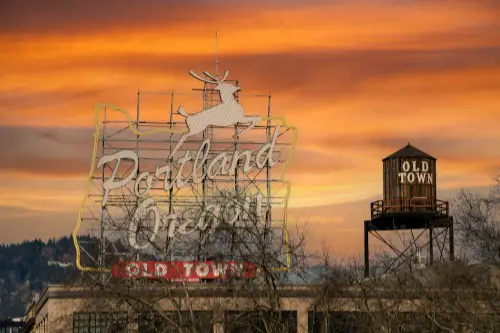
Portland appeals to retirees with walkability, access to nature, and cultural amenities. The long, gray winters are tougher than many expect. Seasonal affective disorder is a real issue for some retirees. The lack of sunshine can impact mood and energy.
Housing costs have risen significantly over the past decade. Taxes and utility costs also surprise newcomers. Healthcare is generally good, but demand has increased. Some retirees realize the lifestyle fits better in theory than in practice.
12. Scottsdale, Arizona
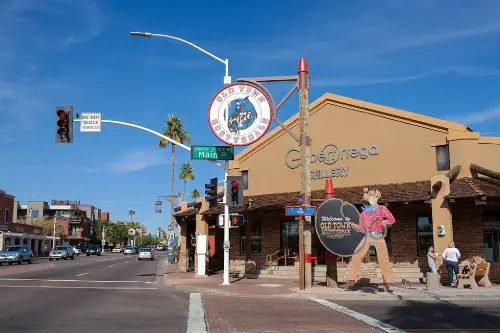
Scottsdale often looks like an upscale version of desert retirement living, complete with golf courses and resort amenities. Retirees are sometimes surprised by how expensive everyday life has become there. Housing prices, HOA fees, and service costs rival much larger metro areas. What feels luxurious at first can strain a fixed income over time.
The extreme heat is another common regret. Summers are long, intense, and increasingly dangerous for older adults. Outdoor activities are limited for months, reducing the active lifestyle many retirees imagined. Over time, the isolation of indoor living can take a toll.
13. San Diego, California

San Diego attracts retirees with its mild weather, ocean views, and relaxed vibe. The biggest shock is the cost of living, which is among the highest in the country. Housing, taxes, and everyday expenses quickly eat into retirement savings. Many retirees realize too late that pensions and Social Security don’t stretch far enough.
Healthcare quality is excellent, but access can be competitive and expensive. Traffic congestion makes routine errands more stressful than expected. California’s tax structure adds another layer of financial pressure. Some retirees end up downsizing their lifestyle more than planned.
14. Asheville, North Carolina
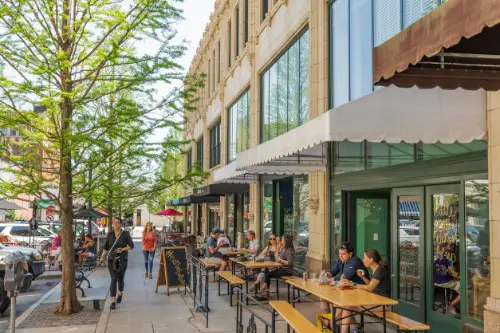
Asheville appeals to retirees with its mountain scenery, arts scene, and slower pace. Its popularity has driven housing prices far above what many expect for a small city. Limited inventory makes it hard to find affordable, age-friendly homes. Retirees who arrive late to the market often feel priced out.
Healthcare access is a frequent concern. Specialized care often requires travel to larger cities. Tourism keeps the area crowded during peak seasons. The quiet mountain lifestyle can feel less peaceful than advertised.
15. Santa Fe, New Mexico
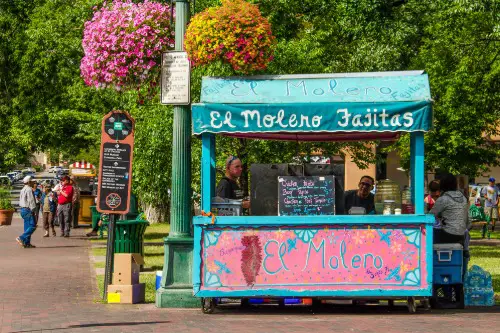
Santa Fe draws retirees with its culture, history, and artistic atmosphere. The cost of living is higher than many anticipate, especially for housing. Limited new construction keeps prices elevated. Retirees sometimes struggle to find homes that fit both their budgets and mobility needs.
Healthcare availability is another drawback. Advanced medical care often requires trips to Albuquerque or beyond. The high altitude can cause fatigue or breathing issues. Over time, the charm may not outweigh the practical challenges.
16. Charleston, South Carolina
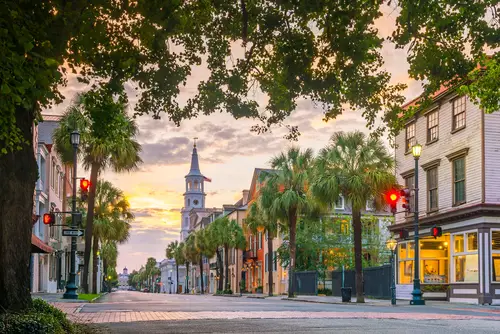
Charleston attracts retirees with its historic beauty and coastal appeal. Housing costs have climbed rapidly as demand has surged. Flood risk and insurance costs add ongoing financial stress. Retirees often underestimate the true cost of coastal living.
Traffic congestion is a daily frustration. Tourist crowds affect everything from grocery shopping to medical appointments. Summers are hot, humid, and increasingly uncomfortable. Some retirees find the city better suited for short stays than permanent living.
17. Bend, Oregon

Bend is popular with retirees who love outdoor recreation and scenic landscapes. The city’s rapid growth has driven housing prices far above expectations. Limited healthcare infrastructure struggles to keep up with demand. Retirees often face long waits for appointments.
Winters can be long, cold, and isolating. Smoke from seasonal wildfires has become a recurring issue. Everyday services are more limited than in larger cities. What feels like a dream location can become logistically difficult.
18. Naples, Florida
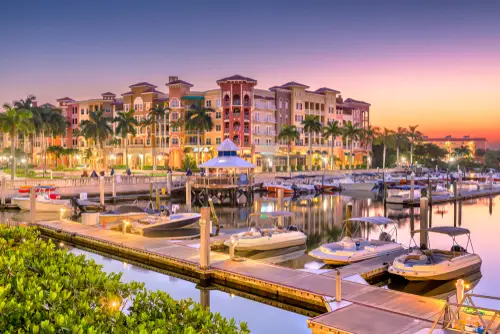
Naples markets itself as a high-end retirement paradise with beaches and golf. The reality includes steep housing prices and rising insurance premiums. HOA fees and special assessments can escalate quickly. Many retirees feel financial pressure despite moving there to relax.
Healthcare access is mixed, especially for specialized care. Seasonal residents swell the population and strain services. Summers are intensely hot and humid. Some retirees regret choosing prestige over practicality.
19. Reno, Nevada

Reno appeals to retirees seeking tax advantages and proximity to nature. Housing prices have surged as Californians relocated in large numbers. What once seemed affordable now feels competitive. Retirees often struggle to find suitable homes within budget.
Healthcare resources are limited compared to larger cities. Specialized treatment may require travel. Winters bring snow and cold temperatures. The smaller-city appeal can fade as challenges add up.
20. Sarasota, Florida
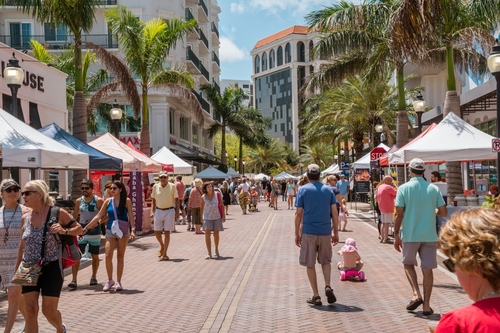
Sarasota attracts retirees with beaches, arts, and a polished image. Housing costs have risen sharply, especially in desirable neighborhoods. Insurance and maintenance expenses add to the burden. Many retirees feel locked into higher costs than expected.
Seasonal crowds strain healthcare access and daily services. Traffic worsens significantly during peak months. Summers are oppressive and limit outdoor activity. The lifestyle can feel less relaxing year-round.
21. Flagstaff, Arizona
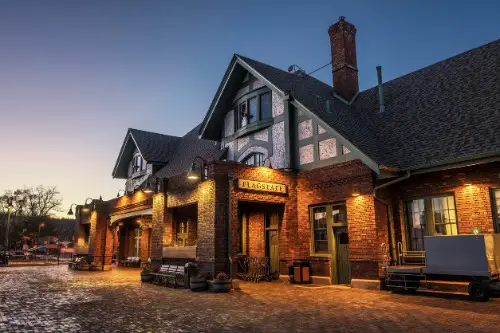
Flagstaff appeals to retirees looking for cooler temperatures and mountain scenery. Housing costs are surprisingly high for a smaller city. Limited inventory makes downsizing difficult. Retirees often face stiff competition from investors and second-home buyers.
Healthcare options are limited locally. Specialized care usually requires travel to Phoenix. Winters are cold and snowy, which can affect mobility. What seems like a peaceful retreat can become inconvenient with age.
This post The Retirement Destinations Americans Are Already Regretting was first published on American Charm.

