
1. Weekly “Big Trip” Shopping

Instead of making small, frequent purchases, many families adopted the habit of doing one large weekly shopping trip. This behavior favored stores with bigger inventories and lower prices per unit. Smaller specialty shops struggled because they were built around regular, incremental buying. The shift rewarded retailers that could bundle groceries, household goods, and seasonal items under one roof.
As customers consolidated their spending, local merchants lost consistent revenue streams. Town economies that once relied on multiple small stops saw money concentrate in fewer locations. Retail diversity narrowed as convenience took priority. Over time, this changed what kinds of businesses could realistically survive on Main Street.
2. Driving Instead of Walking

For generations, small towns were built around the idea that you could walk just about everywhere you needed to go. When driving became the default for even the shortest errands, retail geography quietly shifted. Stores no longer had to cluster tightly around a central square to survive. This habit encouraged strip development along highways, pulling foot traffic away from traditional downtown storefronts.
The result was fewer spontaneous visits to locally owned shops. Retailers that depended on daily walk-ins suddenly had to compete with convenience and parking access. Small-town centers often lost their role as the social and commercial heartbeat. That physical change reshaped not just shopping patterns, but how communities gathered.
3. Chasing Discounts Over Relationships
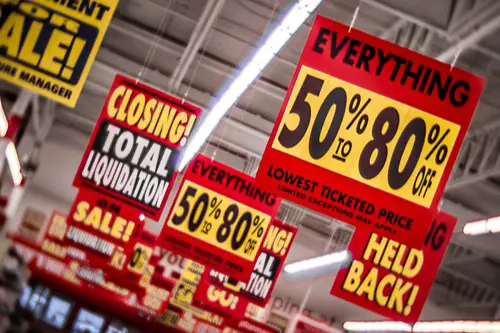
Small-town retail historically ran on familiarity and trust between shopkeepers and customers. As deal-seeking became a dominant shopping habit, price started to outweigh personal connection. Consumers increasingly compared options and waited for sales. This behavior favored larger operations that could absorb thinner margins.
Local retailers found it harder to compete when loyalty gave way to bargain hunting. The emotional component of shopping became secondary to perceived savings. That shift altered how merchants positioned themselves and interacted with customers. Retail culture moved from relationship-driven to transaction-driven.
4. Expecting Everything in One Place
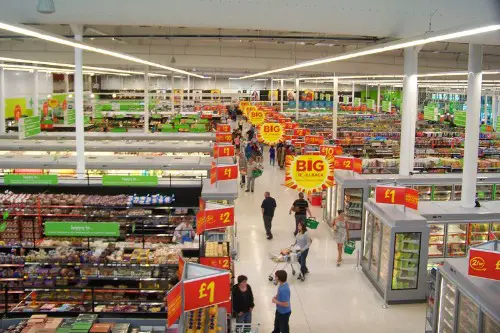
Modern shoppers often prioritize stores that promise variety and immediacy. This expectation reshaped retail layouts in small towns by rewarding multi-category stores. Specialized shops that once thrived on niche expertise faced shrinking demand. Consumers gravitated toward places that minimized the number of stops required.
This consolidation reduced the ecosystem of interdependent businesses downtown. Where customers once visited several shops in sequence, they now completed errands in a single location. That efficiency came at the cost of cross-traffic that sustained smaller merchants. Retail spaces evolved to match the new preference for convenience over curation.
5. Shopping Based on Parking Availability
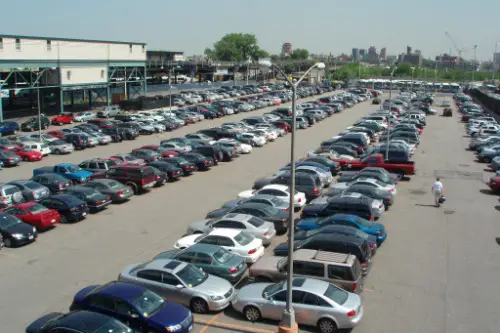
Parking convenience became a decisive factor in where people chose to shop. Retailers with large, easy-access lots gained an advantage over tightly packed downtown districts. Even short waits or longer walks discouraged visits to traditional storefronts. Consumer preference directly influenced where new retail development occurred.
As a result, investment flowed toward car-friendly corridors. Historic commercial districts often struggled to modernize their infrastructure quickly enough. Retail followed the customer’s comfort, reinforcing auto-centric design. This feedback loop permanently altered the layout of many small towns.
6. Treating Shopping as a Time-Saving Task
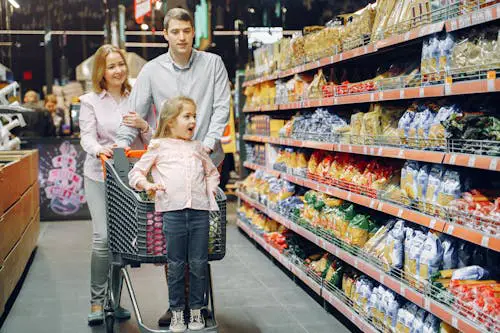
Shopping gradually shifted from a social outing to an efficiency exercise. Consumers began prioritizing speed, predictable layouts, and streamlined checkout experiences. Retailers that optimized for quick visits gained traction. Smaller stores built around browsing and conversation faced a cultural headwind.
This change reduced dwell time in town centers. When people spent less time lingering, impulse purchases and casual interactions declined. Businesses that depended on extended visits saw fewer opportunities to engage customers. Retail spaces adapted by emphasizing throughput over atmosphere.
7. Following National Trends Over Local Taste
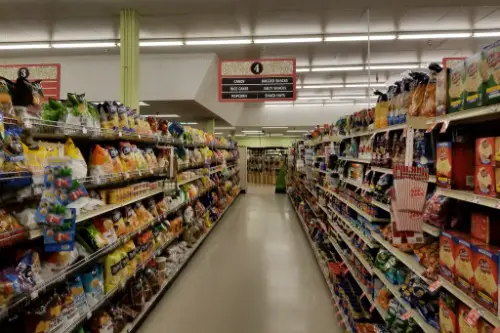
Media and advertising exposed small-town shoppers to nationwide retail expectations. Consumers began seeking products and store formats they saw elsewhere. Local merchants sometimes struggled to stock or price goods that matched those standards. Familiarity with national trends reshaped buying decisions.
This habit narrowed the distinctiveness of many small-town retail scenes. Stores increasingly mirrored broader consumer patterns rather than regional preferences. Merchants had to balance uniqueness with perceived competitiveness. Retail identity shifted toward uniformity in response to customer demand.
8. Prioritizing Predictability
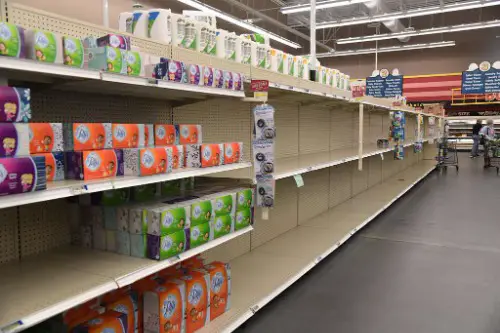
Many shoppers came to value knowing exactly what to expect when entering a store. Predictable layouts, standardized pricing, and consistent product placement reduced decision fatigue. Retailers that delivered uniform experiences built trust through repetition. Smaller shops often offered variety but less predictability.
Customer preference for consistency influenced which businesses expanded. Retail spaces began emphasizing familiarity as a selling point. That expectation shaped how stores organized inventory and customer flow. The retail environment became more structured and less exploratory.
9. Shopping Around Work Schedules

As work hours became more rigid or extended, shopping habits adjusted accordingly. Consumers favored stores with longer or more flexible hours. Retailers that couldn’t staff extended schedules risked losing after-work traffic. Convenience timing became as important as product selection.
This shift pressured small businesses with limited staffing. Evening and weekend availability turned into competitive necessities. Town retail rhythms changed to align with commuter lifestyles. Store hours became a strategic survival factor.
10. Viewing Retail as Entertainment
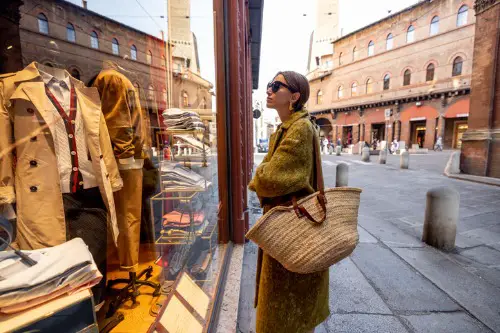
Shopping increasingly doubled as a form of leisure rather than pure necessity. Consumers gravitated toward environments that offered visual appeal or novelty. Retailers responded by redesigning spaces to encourage exploration. Smaller stores without the resources to refresh frequently faced challenges.
This expectation altered how towns invested in commercial districts. Retail success became partially tied to atmosphere and experience. Merchants had to think like hosts as much as sellers. The boundary between commerce and recreation blurred.
11. Expecting Immediate Availability

Modern shoppers often expect products to be in stock and ready for purchase. Delays or special orders became less acceptable over time. Retailers with larger inventories gained favor because they reduced waiting. Smaller merchants struggled to carry broad stock without financial risk.
Customer impatience influenced supply strategies across small towns. Businesses adjusted ordering patterns to minimize empty shelves. The pressure for instant gratification reshaped inventory management. Retail survival increasingly depended on meeting expectations for immediacy.
This post The Retail Habits That Reshaped American Small Towns was first published on American Charm.

