
1. Pueblo, Colorado

Pueblo historically relied on steel production and heavy industry. Although some steelmaking continues, modern facilities operate with far fewer workers than in the past. Advances in production technology mean companies can produce more steel with smaller crews. That reduces the number of industrial jobs available locally.
The city has attracted renewable energy projects and smaller manufacturers. Even so, growth has been gradual rather than explosive. Many residents commute to Colorado Springs for broader employment opportunities. Within Pueblo itself, the job market remains relatively narrow.
2. Atlantic City, New Jersey

Atlantic City still looks like a tourism powerhouse from the outside, but the work picture has grown less stable. Several casino closures during the 2010s permanently reduced the number of hospitality jobs. Even when new operators arrive, they tend to run leaner staffs with more automation. That means fewer entry points for workers without specialized skills.
Seasonal fluctuations also shape the local job market more than people expect. When tourism slows, service workers can struggle to piece together steady hours. Many residents juggle multiple part-time roles rather than one full-time job with benefits. Over time, that quiet shift has narrowed the kind of dependable work the city once provided.
3. Bakersfield, California

Bakersfield’s economy has long leaned heavily on oil and agriculture. Those industries still matter, but automation and changing energy policies are gradually reducing the number of workers needed. Oil companies today can operate fields with smaller crews and more advanced equipment. The result is fewer traditional energy jobs than previous generations relied on.
Agriculture faces similar pressures from mechanization and water constraints in California’s Central Valley. Large farms increasingly rely on technology that reduces labor demand. At the same time, extreme heat and drought have created uncertainty about future production levels. That combination leaves many workers with fewer predictable employment pathways.
4. Flint, Michigan

Flint’s struggles after the downsizing of the auto industry are well known, but the long-term job picture is still tightening. The number of manufacturing roles has never returned to its historic levels. Modern auto plants employ fewer people due to robotics and streamlined production methods. That shift has fundamentally changed the local job landscape.
The city has worked to attract logistics and service businesses, yet those sectors typically offer lower wages. Many residents commute to nearby cities for better opportunities. For people who want to stay in Flint itself, choices can feel limited. The gap between available work and stable careers remains a challenge.
5. Shreveport, Louisiana
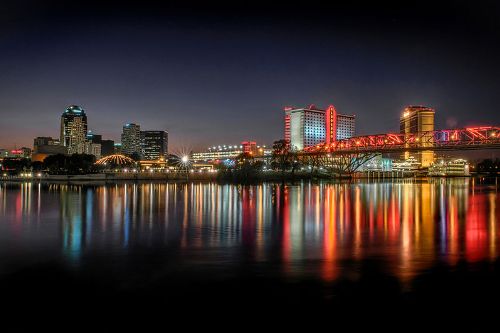
Shreveport once benefited from a strong mix of oil, gaming, and military-related jobs. But energy downturns and industry consolidation have gradually thinned those opportunities. When oil prices drop, the ripple effects move quickly through the regional economy. That volatility makes the job market less predictable.
Casinos still draw visitors, yet employment growth there has slowed. Many hospitality roles offer variable hours and modest pay. Meanwhile, younger professionals often relocate to Dallas or Houston for broader career prospects. Over time, that migration reinforces the sense that opportunities in Shreveport are narrowing.
6. Rockford, Illinois
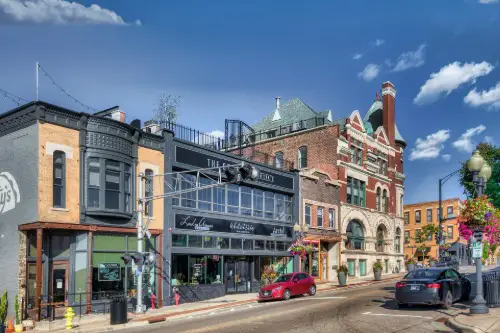
Rockford used to be a major Midwestern manufacturing hub, particularly for machine tools and aerospace components. Some advanced manufacturing remains, but companies now operate with smaller workforces. Automation and global competition have steadily reduced the number of factory jobs available locally. What’s left often requires specialized technical training.
That leaves workers without those skills competing in a much tighter market. Retail and service sectors fill some of the gaps, but they rarely match the wages of older industrial roles. The city has invested in workforce development, yet rebuilding the employment base takes time. For now, many residents still feel the squeeze in job variety.
7. Anchorage, Alaska
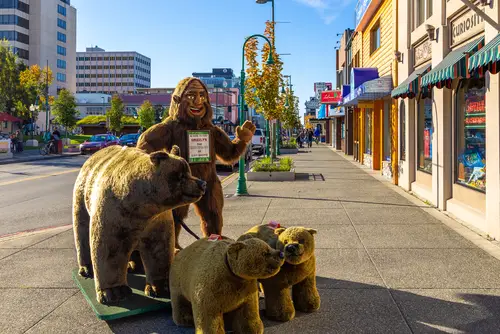
Anchorage might seem like a place full of opportunity, but its job market has quietly tightened in recent years. The city relies heavily on oil, tourism, and government spending. When any of those sectors slows down, hiring quickly follows. That dependence creates a narrower set of employment paths than the city’s size might suggest.
Population growth has also leveled off, which reduces the pace of new business creation. Without steady expansion, fewer new workplaces appear each year. Workers sometimes find themselves waiting longer for openings in key industries. It’s a subtle shift, but one locals increasingly notice.
8. Charleston, West Virginia
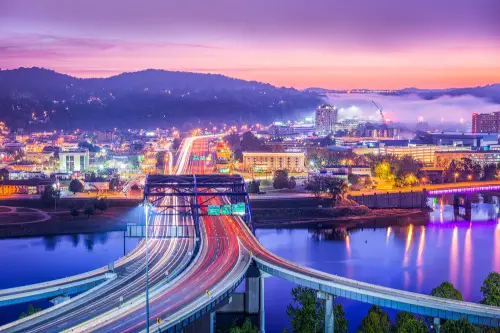
Charleston has long been tied to the coal industry and related energy businesses. As coal production declines across Appalachia, many of those jobs have disappeared. The positions that remain often require specialized training or are located farther from the city itself. That trend has reduced the number of energy-related roles available locally.
Government and healthcare now dominate the employment base. While those sectors provide stability, they don’t always generate large numbers of new jobs. With fewer industries expanding at once, workers have a smaller range of options. Many younger residents eventually look toward larger cities for career growth.
9. Redding, California

Redding has experienced population growth, but its employment mix hasn’t expanded at the same pace. Much of the local economy revolves around tourism, healthcare, and retail. Those sectors tend to produce service jobs rather than diverse professional roles. That imbalance can limit upward mobility for residents.
Wildfires and climate challenges have also affected regional industries. Insurance issues and rebuilding costs can slow business investment. When companies hesitate to expand, hiring naturally slows too. Over time, that leaves fewer new opportunities for workers entering the market.
10. Springfield, Massachusetts
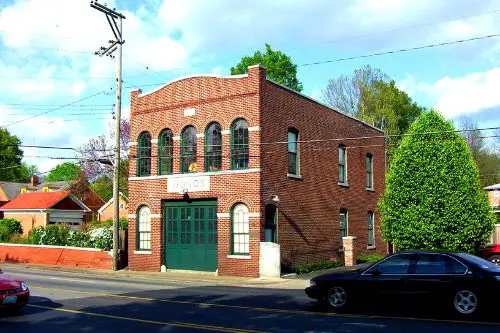
Springfield once thrived as a manufacturing center for firearms, machinery, and precision equipment. Many of those factories closed or downsized during the late twentieth century. While healthcare and education now anchor the local economy, they haven’t fully replaced the range of jobs that once existed. The shift has narrowed the employment landscape.
Casino development and downtown revitalization brought some optimism. However, those industries employ fewer people than large manufacturing plants once did. Many positions are tied to hospitality rather than technical trades. For workers seeking diverse career options, that change can feel limiting.
11. Youngstown, Ohio
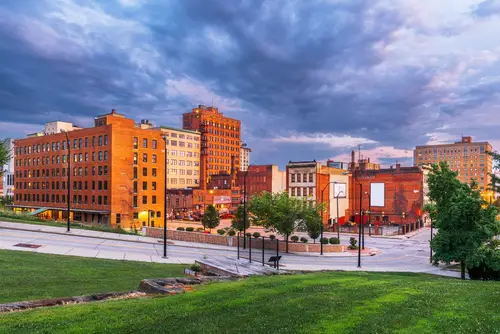
Youngstown has spent decades trying to recover from the collapse of the steel industry, but the number of stable job paths has continued to narrow. Manufacturing once supported tens of thousands of workers, yet many of the replacements are smaller warehouses or service roles. Even when new facilities open, they typically employ far fewer people than the mills did. That leaves fewer long-term career ladders for younger workers hoping to stay in town.
Healthcare and education now anchor much of the local employment base, which makes the economy more fragile than it looks. When a region relies heavily on a few large institutions, job mobility shrinks. Residents often find themselves competing for a limited set of openings. As a result, many people leave for Columbus, Pittsburgh, or Cleveland to broaden their options.
12. Lake Charles, Louisiana
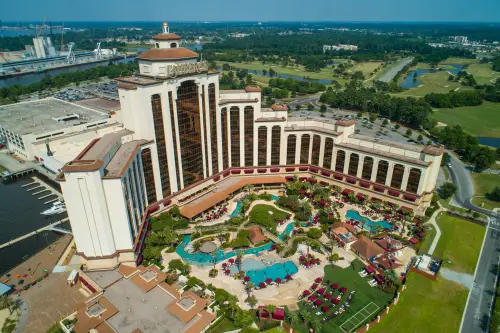
Lake Charles has seen major industrial investment in petrochemical and liquefied natural gas projects. At first glance, that sounds like a booming job market. But many of the biggest hiring surges occur during construction phases rather than long-term operations. Once plants open, they employ far fewer permanent workers.
Hurricanes in recent years have also disrupted local businesses and slowed recovery. Some employers never fully reopened after storm damage. The result is a labor market that feels less expansive than the skyline of industrial plants might suggest. For locals, the number of stable work options has quietly tightened.
This post The Places Where Work Options Quietly Shrink was first published on American Charm.

