
1. Jackson, Mississippi
Jackson is the kind of capital city that should be thriving but instead feels permanently stuck in emergency mode. Chronic underfunding, shrinking population, and a long history of segregation have weakened its tax base. The city’s water system failures made national headlines, but locals had lived with boil-water notices for years. When basic infrastructure fails, people lose both time and trust.
Money disappears quickly when businesses leave and jobs follow them out. Many neighborhoods struggle with high poverty and low home values, trapping residents who can’t afford to move. The stress of uncertainty becomes part of daily life, eating away at optimism. It’s hard to plan for tomorrow when today’s essentials aren’t guaranteed.
2. McDowell County, West Virginia
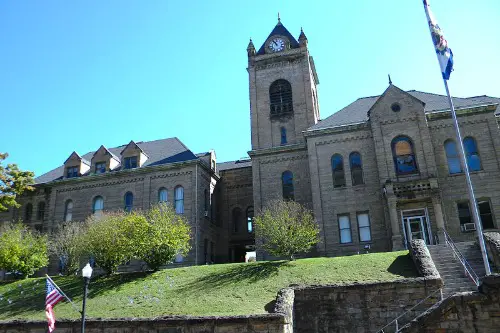
If you want to see what happens when an entire economic reason for existing disappears, McDowell County is a stark example. Coal jobs once paid well here, but decades of mine closures hollowed out employment, tax revenue, and public services. The county has hovered near the bottom nationally for life expectancy, and outmigration has been relentless for generations. When young people leave and don’t come back, time itself feels like it’s draining away.
Money runs out fast here because there simply aren’t many places left to earn it. Many residents rely on disability payments or Social Security, which barely cover rising costs. Hospitals have closed or downsized, forcing long drives for basic care. Hope erodes quietly when the future looks exactly like the past.
3. Pine Ridge Reservation, South Dakota
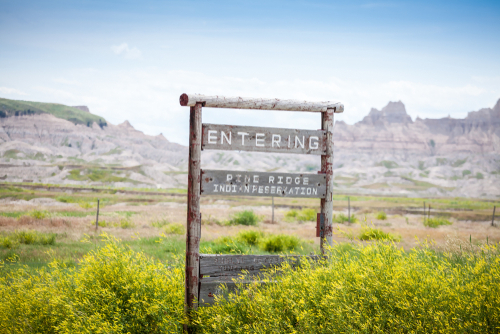
Pine Ridge is often cited because the numbers are so extreme they’re impossible to ignore. Life expectancy here is dramatically lower than the national average, reflecting generations of poverty and limited access to healthcare. Unemployment has been persistently high, and many homes lack basic utilities. Time feels shorter when systemic problems shorten lives.
Money doesn’t circulate much because there are few local employers and limited economic development. Many families depend on federal assistance that never stretches far enough. Historical trauma and ongoing underinvestment compound each other. Hope survives, but it works overtime just to stay visible.
4. South Los Angeles, California
South LA sits in the shadow of massive wealth, which somehow makes scarcity feel sharper. Despite being in a booming state, the area faces high unemployment and entrenched poverty. Residents spend more time commuting to low-paying jobs than enjoying life. Time is lost in traffic, lines, and long waits for services.
Money drains away quickly due to high housing costs and low wages. Generational wealth is rare, and rent eats up a huge share of income. Public schools and healthcare facilities are often overstretched. It’s exhausting to hustle constantly just to stand still.
5. The Mississippi Delta, Mississippi
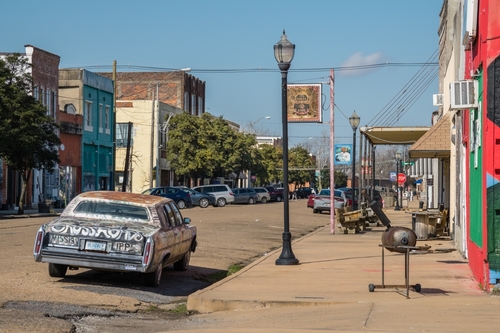
The Delta is rich in history and culture but chronically poor in economic opportunity. Mechanized agriculture wiped out jobs decades ago, and nothing replaced them at scale. Many counties here rank among the poorest in the country year after year. When opportunity skips generations, time feels stalled.
Money is scarce because wages are low and jobs are limited. Healthcare access is thin, contributing to lower life expectancy and higher chronic illness. Young people often leave as soon as they can. What remains is a sense of waiting for something that never quite arrives.
6. Gary, Indiana
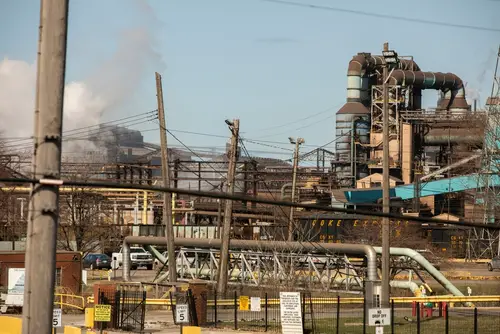
Gary was built for steel, and when steel declined, the city never recovered. The population has dropped dramatically since its peak, leaving behind empty homes and abandoned blocks. Fewer residents mean less tax revenue, which feeds a cycle of service cuts. The clock feels like it’s been ticking down for decades.
Money runs out fast when jobs disappear and property values collapse. Many residents face long-term unemployment or underemployment. Infrastructure ages faster than it can be repaired. It’s hard to imagine growth when decline feels baked into the landscape.
7. The South Bronx, New York
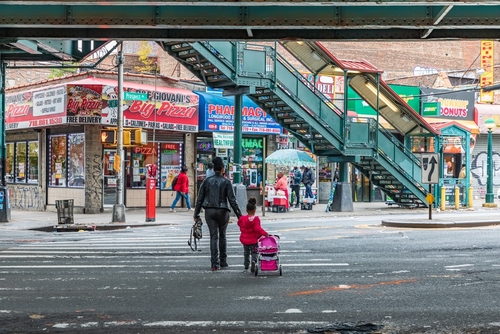
The South Bronx has improved since its lowest point, but deep challenges remain. High asthma rates, overcrowded housing, and persistent poverty still shape daily life. Many residents juggle multiple jobs just to survive. Time becomes something you manage, not something you enjoy.
Money doesn’t go far here, even with steady work. Rents rise faster than wages, squeezing families year after year. Health disparities shorten lives and drain energy. Hope exists, but it often has to fight through exhaustion.
8. Fresno, California
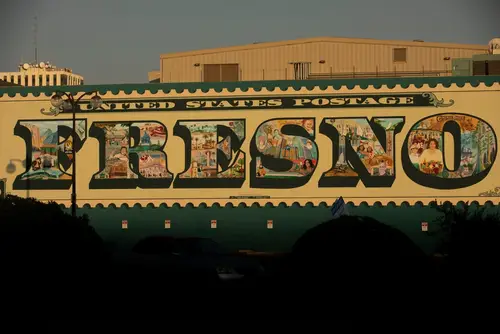
Fresno sits in one of the most productive agricultural regions in the world, yet many residents struggle to get by. Seasonal farm work creates unstable income and long periods without pay. Poverty rates remain high despite constant labor demand. Time slips away between harvests and job searches.
Money is inconsistent, which makes planning nearly impossible. Healthcare access and educational outcomes lag behind other parts of California. Extreme heat adds another layer of physical and financial stress. It’s hard to feel secure when everything feels temporary.
9. Camden, New Jersey
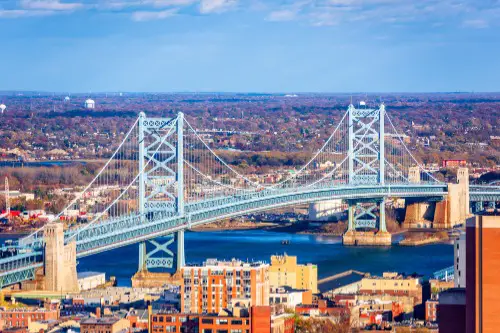
Camden has become known for its turnaround story, but the scars are still visible. Years of industrial decline left deep poverty and disinvestment. Even with new development, many residents haven’t felt the benefits directly. Time moves unevenly here, fast for some and stalled for others.
Money remains tight in households that never recovered from earlier losses. Public services improved, but personal finances often didn’t. Trust in institutions is still fragile. Hope exists, but it’s cautious and hard-earned.
10. Baltimore, Maryland (West and East Baltimore)
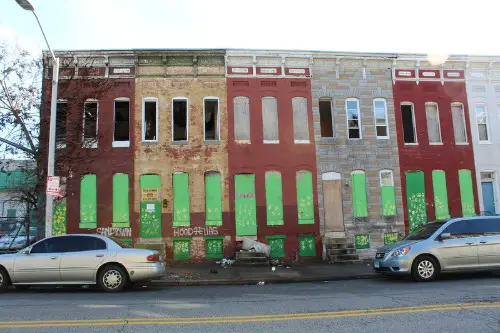
Parts of Baltimore reflect decades of redlining and industrial collapse. Entire blocks sit vacant, creating physical reminders of lost opportunity. Life expectancy can vary by decades between neighborhoods just miles apart. Time feels unfairly distributed.
Money drains away through low wages, unstable jobs, and high living costs. Many residents face barriers to healthcare and quality education. Violence adds another layer of stress and loss. It’s difficult to imagine long-term plans when stability feels temporary.
11. Stockton, California
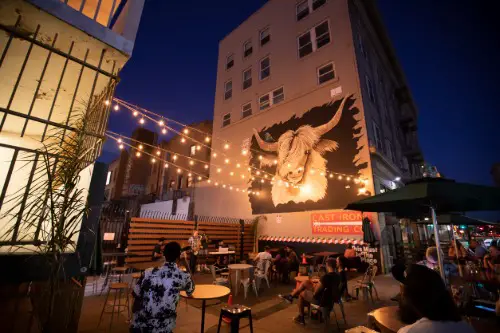
Stockton became famous for its bankruptcy, but financial stress didn’t end when the city recovered. Housing crashes and job losses hit residents hard, and many never regained their footing. The city has struggled with high unemployment and crime. Time feels compressed when recovery takes longer than expected.
Money is fragile for families living paycheck to paycheck. Rising housing costs threaten even those who managed to stay afloat. Social services are often stretched thin. Hope flickers, but it’s closely tied to economic swings beyond local control.
12. Appalachia (Eastern Kentucky)
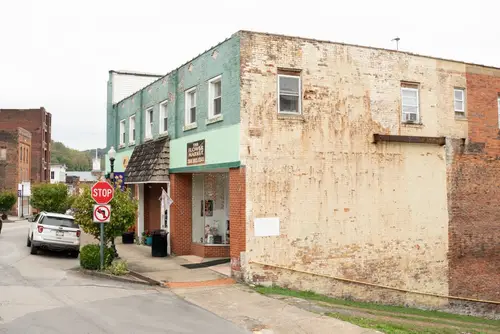
Eastern Kentucky reflects a broader Appalachian struggle tied to resource extraction and neglect. Coal’s decline left behind health problems and few replacement jobs. Many counties report low incomes and high rates of chronic illness. Time here feels heavy, shaped by long-term loss.
Money runs out because opportunities are scarce and wages are low. Healthcare access requires long travel, costing both time and energy. Younger residents often leave, draining communities of momentum. What remains is resilience tested daily by reality.
This post The Places Where Hope, Money, and Time All Run Out First was first published on American Charm.

