
1. Naples
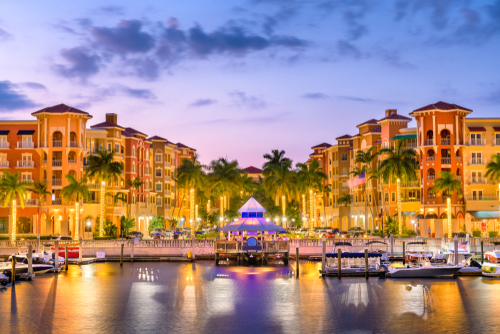
Naples blends Gulf Coast beauty with a high concentration of retirees. It consistently ranks among the wealthiest cities in the United States by per-capita income. The area is known for golf courses, boating access, and a vibrant arts scene centered around Artis—Naples. Florida’s tax structure again plays a starring role in attracting retirees.
But Naples has a way of filling up your schedule. Charity galas, nonprofit boards, and cultural events keep many retirees deeply involved. Seasonal residents, often called “snowbirds,” return each winter and immediately plug back into community commitments. It’s a place where social calendars can rival corporate planners.
2. The Villages
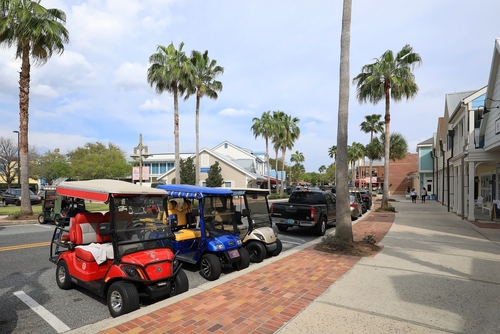
If retirement had a capital city, The Villages might claim the crown. This sprawling Central Florida community has more than 100,000 residents and is built almost entirely around retirees. It offers dozens of golf courses, hundreds of clubs, and nightly live entertainment in its town squares. With no state income tax in Florida and a master-planned layout designed for golf carts, it’s engineered to keep retirees active and engaged.
But what really turns retirement into work here is the sheer volume of activity. Many residents describe their calendars as more packed than when they had full-time jobs. Between volunteer committees, club leadership roles, fitness classes, and community events, staying involved can feel like a second career. In The Villages, slowing down is optional, but participation is practically a lifestyle requirement.
3. Scottsdale

Scottsdale has long been a magnet for retirees seeking sunshine and upscale amenities. With more than 300 days of sunshine a year and a strong network of golf communities, it’s built for active adults. The city’s healthcare infrastructure is robust, including facilities like the Mayo Clinic’s Phoenix campus nearby. Arizona’s relatively low property taxes and no tax on Social Security benefits add to the appeal.
Yet Scottsdale isn’t just about lounging poolside. Many retirees dive into hiking the McDowell Sonoran Preserve, joining arts councils, or working part-time in hospitality and tourism. The city’s booming service economy creates opportunities for flexible post-career work. Retirement here often looks like a reinvention rather than a retreat.
4. Asheville
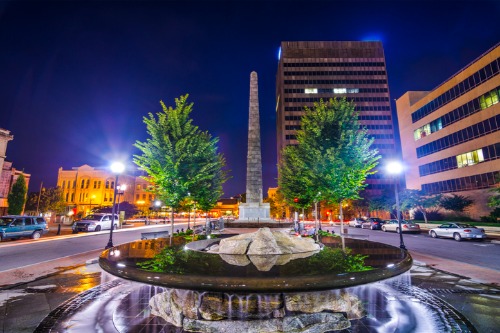
Asheville draws retirees who prefer mountain views to beachfront property. Nestled in the Blue Ridge Mountains, it offers outdoor recreation and a strong arts culture. The city is home to a thriving craft brewery scene and institutions like UNC Asheville. North Carolina’s moderate climate appeals to those seeking four distinct seasons without harsh extremes.
Retirement here often means creative engagement. Many newcomers take up painting, music, or writing, supported by Asheville’s arts infrastructure. Others volunteer in environmental groups focused on the surrounding mountains and rivers. The result is a retirement that feels hands-on and purpose-driven rather than passive.
5. Austin

Austin isn’t a traditional retirement hub, but it’s increasingly attractive to older adults. Texas has no state income tax, and Austin offers top-tier healthcare and cultural amenities. The city’s live music scene and culinary growth give retirees plenty to explore. Its strong economy also provides opportunities for consulting or part-time work.
For many retirees, Austin means staying professionally relevant. Some mentor startups, teach as adjuncts, or join nonprofit boards. The city’s rapid growth creates both opportunity and civic challenges that invite engagement. Retirement in Austin can feel like staying in the game rather than stepping away.
6. Boise
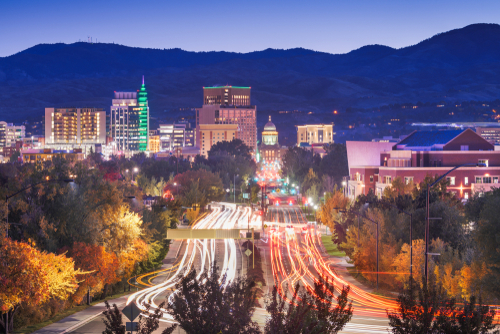
Boise has gained attention for affordability compared to many West Coast cities. It offers access to outdoor recreation along the Boise River Greenbelt and nearby mountains. The cost of living, while rising, has historically been lower than in neighboring states like California. Idaho does tax income, but the overall tax burden can still be manageable for retirees.
Active living defines retirement in Boise. Hiking, cycling, and skiing keep many older residents physically busy. The city’s strong volunteer culture, including arts and environmental organizations, provides additional outlets. Retirement here often feels like a call to stay outdoors and involved.
7. Charleston
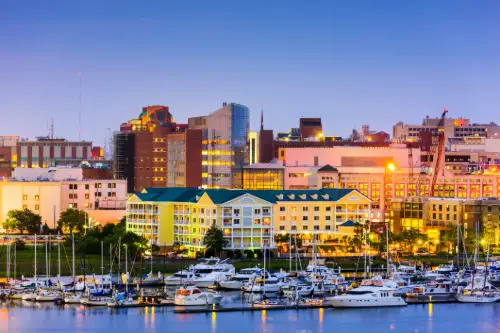
Charleston blends historic charm with coastal living. Its well-preserved architecture and waterfront views make it visually irresistible. South Carolina offers relatively low property taxes for residents, including homestead exemptions for seniors. The city’s culinary and cultural scenes are nationally recognized.
But Charleston’s busy tourism economy keeps retirees on their toes. Many work part-time as guides, docents, or in hospitality roles. Others immerse themselves in historic preservation efforts and community boards. Retirement here can feel like stewarding a living museum.
8. Bend
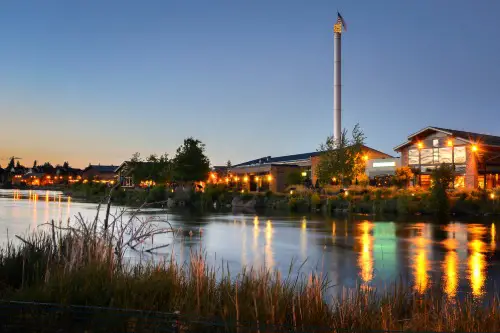
Bend attracts retirees who crave an outdoor-forward lifestyle. Located near the Cascade Range, it’s a gateway to skiing, hiking, and mountain biking. Oregon has no state sales tax, though it does tax income. The city has grown rapidly, bringing new amenities and healthcare facilities.
In Bend, activity is the norm. Retirees often structure their weeks around trail time or volunteer conservation work. Many take seasonal jobs in recreation or tourism. It’s a place where staying still simply doesn’t match the landscape.
9. Sarasota
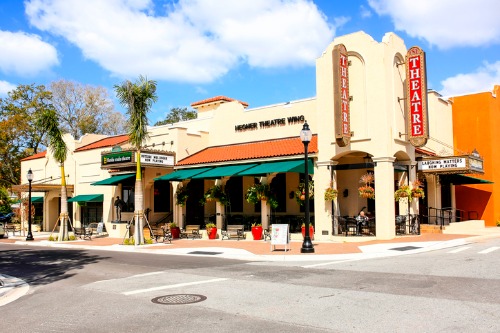
Sarasota offers Gulf Coast beaches and a strong arts presence. The city is home to the Ringling Museum of Art and a well-established theater scene. Florida’s tax advantages once again draw retirees in large numbers. Healthcare access in the region is also a major factor.
Yet Sarasota keeps retirees culturally busy. Volunteer ushering, arts fundraising, and community theater participation are common. Many residents become deeply involved in local nonprofits. Retirement here can feel like managing a full cultural calendar.
10. Denver

Denver appeals to retirees who want urban energy alongside mountain access. The city boasts extensive park systems and proximity to Rocky Mountain recreation. Colorado does tax income, though it offers some deductions for retirement income. Healthcare systems in the metro area are highly rated.
Staying active in Denver often becomes a daily routine. Retirees join hiking clubs, ski groups, and civic organizations. Some take on consulting roles within the region’s strong business community. Retirement here can resemble a carefully balanced second act.
11. St. George
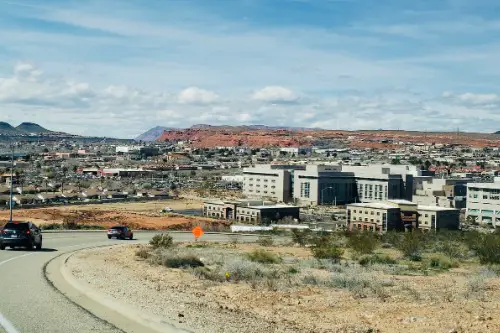
St. George is known for its red rock landscapes and warm climate. It has become one of the fastest-growing metro areas in the United States, partly due to retirees. Utah taxes income but provides a retirement tax credit. The area offers access to Zion National Park and numerous golf courses.
Life in St. George rarely feels sedentary. Residents organize around hiking groups, church communities, and volunteer networks. The desert environment invites daily exploration. Retirement here can feel like a structured adventure.
12. Savannah
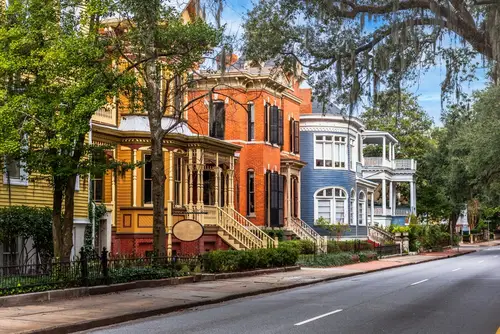
Savannah combines coastal proximity with deep history. The city’s historic district and oak-lined squares create a distinctive atmosphere. Georgia offers retirement income exclusions for older residents. The cost of living can be lower than in many East Coast metros.
Retirees in Savannah often plug into preservation societies and arts groups. Tourism also opens part-time opportunities in guiding and retail. Community festivals and cultural events keep calendars full. Retirement here frequently feels like active participation in a living story.
13. San Diego
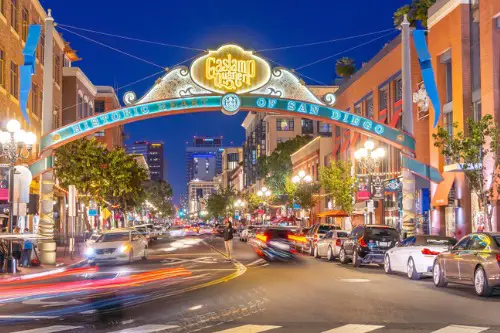
San Diego draws retirees with its mild year-round climate. Coastal neighborhoods and extensive parks encourage outdoor living. California taxes income, including some retirement income, but many find the lifestyle worth the trade-off. Access to high-quality healthcare is a major draw.
In San Diego, retirement often means staying in motion. Surf lessons, sailing clubs, and volunteer beach cleanups are common pursuits. Some retirees take on part-time roles in education or nonprofit work. It’s a place where stepping back from work often means stepping into something new.
This post The Places That Turn Retirement Into Work was first published on American Charm.

