
1. Key West’s Duval Street, Florida
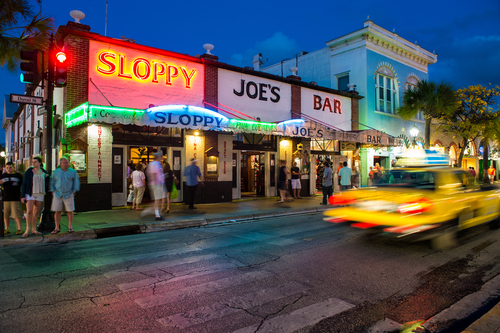
Duval Street was shaped to be a lively, walkable attraction. Bars, shops, and historic sites are tightly packed into a short stretch. Visitors can experience nightlife, shopping, and sightseeing in one walk. The street is designed to feel endlessly energetic.
For residents, Duval Street can feel overwhelming. Noise and crowds are constant, especially at night. Everyday errands require venturing elsewhere. Locals enjoy quieter parts of the island away from the main drag.
2. Times Square, New York City

Times Square feels less like a city intersection and more like a permanent global billboard. Zoning laws actually require buildings to feature large illuminated signage, ensuring maximum visual impact. Chain restaurants and flagship retail stores dominate because they cater to short-term visitors. The area is designed to look iconic in photos, not to function as a neighborhood.
Most New Yorkers actively avoid Times Square once they know how to get around the city. Crowds move slowly, noise levels are exhausting, and prices are noticeably inflated. There’s little reason for residents to spend time there when better food and culture exist nearby. To locals, it’s a transit obstacle rather than a destination.
3. Hollywood Walk of Fame, California
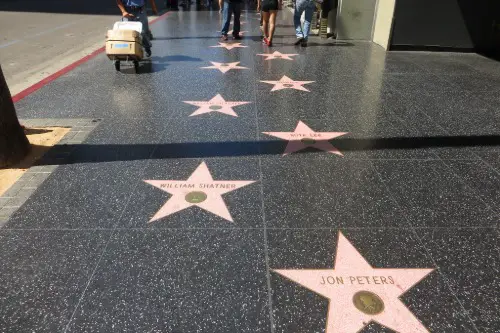
The Hollywood Walk of Fame was built to sell the idea of fame, not to support a residential community. Sidewalk stars, souvenir shops, and celebrity impersonators create a tourist fantasy of the film industry. Visitors arrive expecting glamour and history in one neat package. The experience is carefully framed around recognizable names and imagery.
Residents of Los Angeles know this stretch of Hollywood Boulevard is not where industry life actually happens. The area struggles with congestion, aging infrastructure, and limited everyday amenities. Most locals only pass through, if at all. Real film work takes place in studios and offices scattered across the region.
4. Fisherman’s Wharf, San Francisco
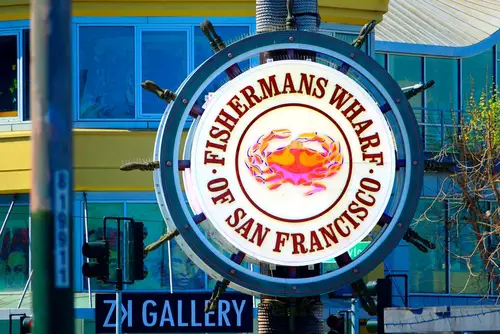
Fisherman’s Wharf was curated as a waterfront attraction rather than a living neighborhood. Seafood restaurants, souvenir shops, and tour kiosks dominate nearly every block. The area emphasizes postcard views, sea lions, and quick entertainment stops. It’s designed to feel charming and contained for first-time visitors.
San Francisco residents rarely go there unless hosting guests. Prices are high, food options cater to tourists, and daily necessities are scarce. The neighborhood lacks schools, community centers, and practical services. Locals favor nearby areas like North Beach for actual living and dining.
5. Waikiki, Hawaii
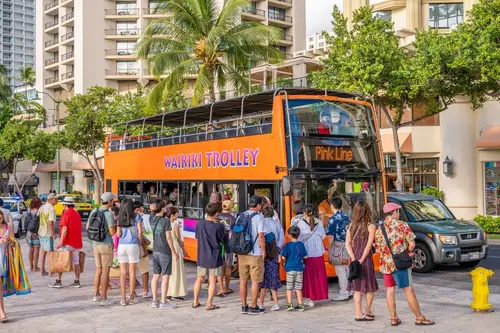
Waikiki was built to package Hawaii into a walkable resort experience. High-rise hotels line the beach, maximizing ocean views for visitors. Retail corridors feature global brands rather than local businesses. The neighborhood prioritizes convenience for tourists over long-term livability.
For residents, Waikiki is crowded, noisy, and expensive. Housing costs are inflated due to short-term rentals and hotel development. Everyday errands require leaving the area entirely. Most locals prefer quieter neighborhoods farther from the resort core.
6. Orlando’s International Drive, Florida
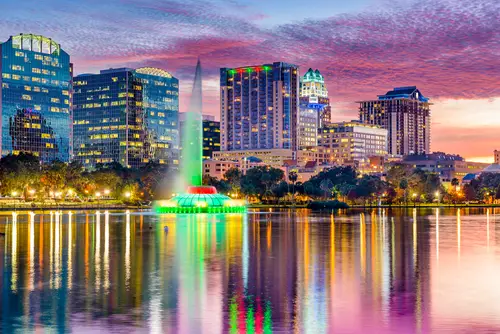
International Drive exists almost entirely for vacationers passing through Orlando. The strip is packed with attractions, themed restaurants, and massive entertainment complexes. Everything is designed for short visits and photo-friendly moments. It’s built to keep tourists occupied between theme park days.
Residents generally avoid living or spending time there. Traffic is constant, and walkability is limited despite the density. Grocery stores and schools are scarce compared to attractions. Locals build their lives in surrounding suburbs instead.
7. South Beach, Miami, Florida

South Beach was shaped to sell an image of glamour, nightlife, and beach culture. Art Deco buildings are preserved as visual icons rather than functional housing. Nightclubs and luxury hotels dominate the main corridors. The neighborhood thrives on temporary visitors and weekend energy.
Living there full-time can be impractical for residents. Noise, crowds, and seasonal price swings are common complaints. Everyday services are limited compared to nightlife options. Many locals choose calmer areas like Coconut Grove or Coral Gables.
8. Bourbon Street, New Orleans, Louisiana
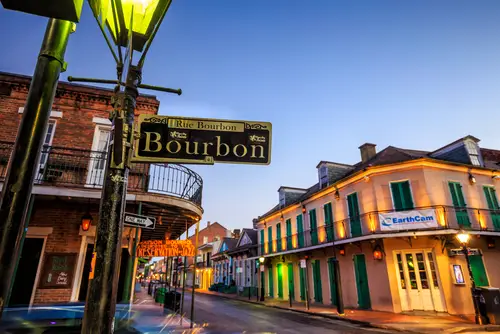
Bourbon Street was built to concentrate revelry into a single, famous stretch. Bars, clubs, and balconies are packed tightly to maximize nightlife density. The street offers visitors a simplified version of New Orleans culture. It’s designed for short bursts of celebration, not daily routines.
Residents rarely spend time there unless working. Noise levels are extreme, especially at night. Basic residential infrastructure is largely absent. Locals enjoy the city’s culture in surrounding neighborhoods like the Marigny or Uptown.
9. Navy Pier, Chicago, Illinois
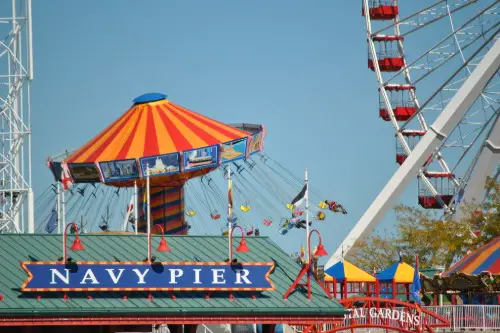
Navy Pier functions as a contained attraction on Lake Michigan. Ferris wheels, theaters, and chain restaurants are arranged for easy visitor access. The pier offers curated views and entertainment in a single location. It’s designed to feel festive year-round.
Chicago residents don’t rely on Navy Pier for daily activities. Prices are higher than elsewhere in the city. The space lacks the spontaneity of real neighborhoods. Locals prefer the surrounding lakefront parks for recreation.
10. Gatlinburg Parkway, Tennessee
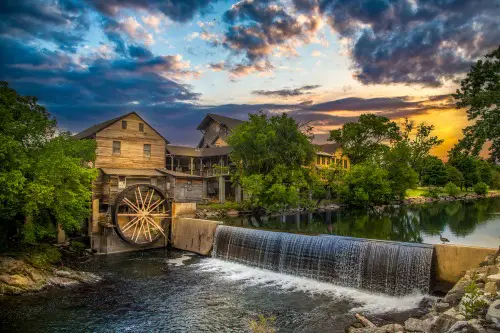
Gatlinburg Parkway was built as a gateway to the Great Smoky Mountains. The strip is filled with novelty attractions, souvenir shops, and themed eateries. Everything is designed to catch a traveler’s eye as they drive through. It feels more like an amusement corridor than a town center.
Residents often find the area overwhelming. Traffic congestion is intense during peak seasons. Daily services are pushed to the edges of town. Locals structure their lives away from the tourist core.
11. Branson Strip, Missouri
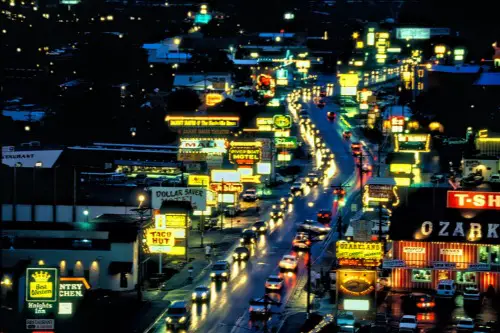
The Branson Strip was created to centralize entertainment for visitors. Large theaters, flashy signage, and themed attractions dominate the landscape. The design encourages tourists to move from show to show with minimal friction. It prioritizes spectacle over community space.
Living nearby can be inconvenient for residents. Traffic spikes align with performance schedules. Housing and local businesses are pushed farther out. Daily life happens beyond the entertainment corridor.
12. Las Vegas Strip, Nevada
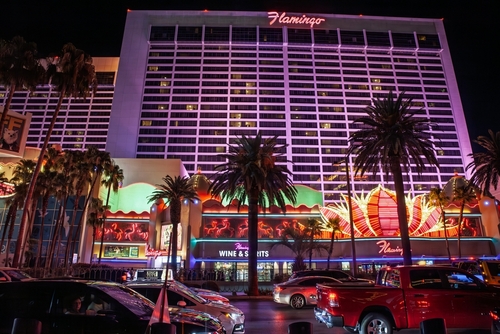
The Las Vegas Strip was engineered as a spectacle, not a neighborhood, and it shows the moment you step onto Las Vegas Boulevard. Sidewalks funnel foot traffic past themed casinos, massive LED screens, and choreographed fountain shows designed to keep visitors moving and spending. Hotels are self-contained worlds with shopping, dining, and entertainment sealed inside. Tourists can have an entire Vegas experience without ever seeing the rest of the city.
For residents, the Strip is inconvenient and disconnected from real life. Parking is expensive, traffic is constant, and everyday services like grocery stores are intentionally absent. Most locals only go there for work or when entertaining out-of-town guests. Daily life in Las Vegas happens far from the neon glow, in quieter residential areas.
13. Mall of America Area, Bloomington, Minnesota
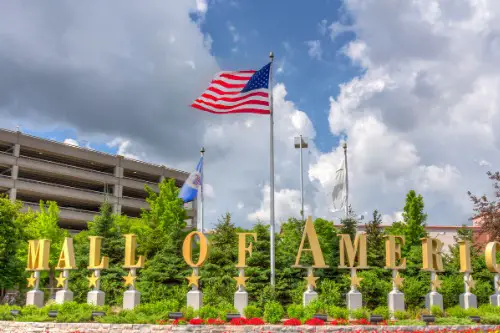
The area surrounding the Mall of America was built to support a destination attraction. Hotels, parking ramps, and transit connections prioritize visitor flow. The mall itself offers dining, shopping, and entertainment under one roof. It’s designed to keep tourists occupied without leaving the complex.
Residents don’t rely on the area for community life. The scale and traffic make it impractical for everyday needs. Housing nearby feels secondary to tourism infrastructure. Locals conduct daily life in surrounding neighborhoods instead.
This post The Places Built to Impress Visitors, Not Residents was first published on American Charm.

