
1. Chain Restaurants Quietly Rewriting Regional Food Identity
It’s easy to overlook how much chain restaurants shape what people think “normal” food looks like. As brands like McDonald’s and Olive Garden spread nationwide, they standardize menus across regions that once had distinct local flavors. Dishes get simplified, renamed, or adapted to appeal to broader audiences. Over time, those versions become the baseline for millions of people.
You can see it in how certain foods lose their regional specificity. A sandwich or pasta dish that once varied city by city starts tasting the same coast to coast. That doesn’t erase local cuisine, but it does compete with it in subtle ways. Culture shifts not through replacement, but through repetition at scale.
2. Suburbs Becoming Cultural Centers, Not Just Bedrooms

For decades, suburbs were framed as quiet places to sleep while cities held the real action. That’s changed as suburbs have grown more diverse and economically independent. Places like Irvine, California now have major job centers, food scenes, and cultural institutions of their own. They’re no longer just extensions of nearby cities.
This shift changes how people experience identity and community. Cultural trends that once started in urban cores now emerge in suburban spaces. Shopping centers become gathering places, and local festivals reflect global influences. The idea of where “culture” lives has quietly expanded.
3. Streaming Replacing Shared Viewing Moments

There used to be a cultural rhythm tied to everyone watching the same shows at the same time. Platforms like Netflix and Hulu broke that pattern by letting people watch on their own schedules. Entire seasons drop at once, and conversations scatter across timelines. The shared “did you see it last night?” moment is less common.
This changes how trends spread and fade. Instead of one big cultural wave, you get overlapping mini-waves as people discover shows at different times. Watercooler talk becomes fragmented and personalized. Culture still connects people, but less synchronously than before.
4. College Towns Acting as Cultural Test Labs
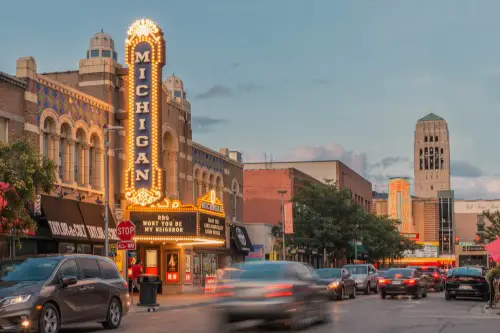
College towns often preview cultural shifts before they hit the mainstream. Places like Ann Arbor, Michigan blend young populations, academic influence, and constant turnover. New ideas around food, language, and social norms circulate quickly. Students bring in influences and carry them back out after graduation.
This creates a kind of cultural feedback loop. Trends tested in these environments often spread nationally within a few years. You can trace everything from coffee culture to political language through these hubs. They’re small places with outsized cultural impact.
5. Big-Box Stores Standardizing Everyday Life
Retail chains like Walmart and Target don’t just sell products, they shape expectations. When the same goods appear in stores across the country, lifestyles start to align. Home decor, clothing basics, and even seasonal traditions become more uniform. Convenience plays a big role in that shift.
Local stores once reflected regional tastes more strongly. Now, supply chains prioritize efficiency and consistency. That doesn’t eliminate individuality, but it narrows the range of what’s commonly available. Over time, that subtly reshapes how people live day to day.
6. Airports as Unofficial Cultural Crossroads
Airports might seem like neutral transit spaces, but they quietly expose people to new norms. Major hubs like Hartsfield-Jackson Atlanta International Airport bring together travelers from vastly different regions and backgrounds. Food options, signage, and behavior patterns blend together. You see a condensed version of national diversity in motion.
Frequent travelers absorb those differences without always realizing it. Small things like ordering habits or etiquette start to shift. Airports normalize a certain kind of shared experience across regions. They act like cultural mixing bowls in disguise.
7. Social Media Turning Local Trends National Overnight
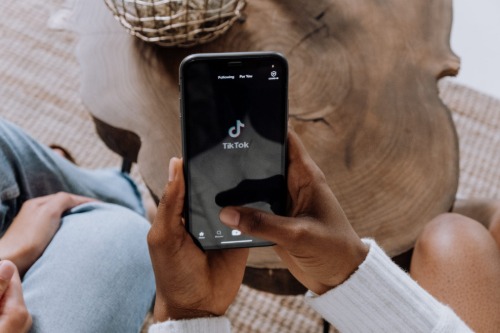
Platforms like TikTok and Instagram collapse geographic boundaries for trends. A dance, recipe, or slang term can jump from one city to the entire country in days. What used to take years to spread now happens almost instantly. Regional culture gets amplified and flattened at the same time.
This speed changes how trends evolve. They peak faster and disappear quicker, often before they fully embed locally. People participate in trends that didn’t originate anywhere near them. Culture becomes more shared, but also more fleeting.
8. Food Trucks Introducing Global Flavors to New Places
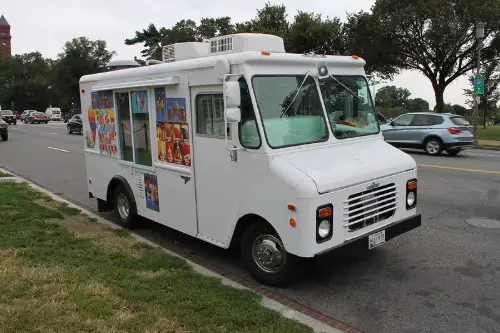
Food trucks have become a low-barrier way to introduce new cuisines. Cities like Austin, Texas are known for vibrant truck scenes offering everything from Korean tacos to vegan barbecue. These businesses can experiment without the cost of a full restaurant. That flexibility encourages culinary blending.
Customers get used to flavors they might not have sought out otherwise. Over time, those tastes become part of the local food identity. Restaurants often follow trends first tested in trucks. It’s a quiet but powerful way food culture expands.
9. Remote Work Reshaping Where Culture Happens
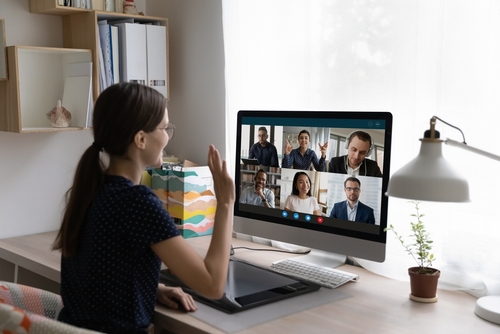
The rise of remote work, accelerated by the COVID-19 pandemic, changed where people live and interact. Workers moved from large cities to smaller towns and different regions. They brought habits, expectations, and tastes with them. Local culture shifted in response.
Coffee shops, coworking spaces, and housing markets all adapted. Places that were once quiet gained new energy and diversity. At the same time, some big-city cultural dominance softened. Culture became more distributed across the map.
10. Festivals Preserving Traditions While Adapting Them

Local festivals often look like pure tradition, but they evolve constantly. Events like South by Southwest blend music, film, and tech in ways that didn’t exist decades ago. They attract global audiences while maintaining local roots. That balance keeps them relevant.
New influences get folded into old frameworks. Food vendors, performers, and themes shift with the times. Attendees bring ideas back to their own communities. Festivals act as both preservation tools and engines of change.
11. Language Shifting Through Everyday Technology
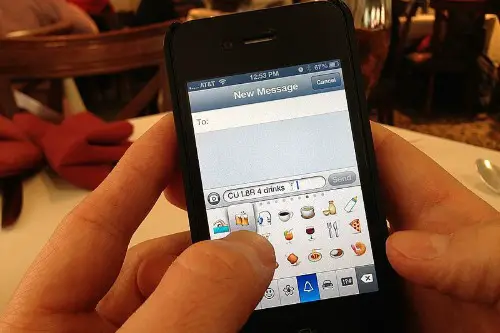
Technology subtly changes how people speak and write. Autocorrect, emojis, and texting norms shape communication habits. Platforms like iMessage encourage shorter, faster exchanges. Tone and meaning get compressed into fewer words.
Over time, those habits spill into offline conversations. Slang spreads faster and evolves more quickly. Even punctuation takes on new emotional meanings. Language adapts quietly, one message at a time.
This post The Overlooked Patterns That Explain How American Culture Quietly Evolves was first published on American Charm.

