
1. Tampa, Florida

Tampa went from one of the hottest pandemic markets to one where sellers are clearly losing leverage. Prices have slipped from their highs as inventory builds and demand softens. Buyers now have time to negotiate instead of rushing offers in days. That shift alone marks a major market reset.
The city was heavily fueled by out-of-state migration, which has cooled significantly. Insurance costs and rising ownership expenses have also spooked buyers. Tampa’s decline stands out because of how aggressive its earlier growth was. When momentum stopped, prices followed.
2. Austin, Texas
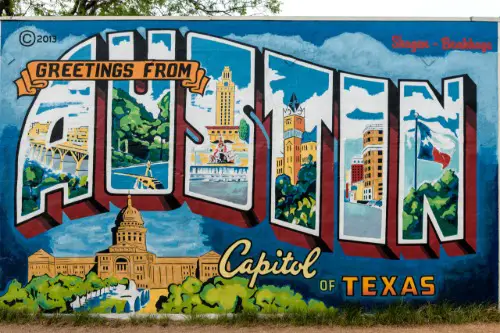
Austin’s housing market has given back a meaningful chunk of its pandemic-era gains, with prices down noticeably from their 2022 peak. Inventory has climbed as demand cooled, flipping the market dynamic from frantic bidding wars to cautious negotiations. Homes now sit longer, and price cuts are far more common than they were just a few years ago. This isn’t a blip — it’s a structural cooldown after one of the fastest run-ups in the country.
A big reason is affordability finally hitting a wall for local buyers. Remote workers and investors who once flooded the market have slowed, while new construction added supply. Higher mortgage rates magnified that imbalance almost overnight. Austin didn’t collapse overnight, but the crash already happened in slow motion.
3. Miami, Florida

Miami’s housing market has pulled back after years of soaring prices that stretched affordability to its limits. While still expensive, home values have declined from peak levels, especially outside ultra-luxury segments. The correction reflects reduced buyer urgency and increased financial pressure on owners. It’s a classic case of a market overshooting and then snapping back.
Higher insurance premiums and taxes have played a major role in slowing demand. Investor enthusiasm has cooled as carrying costs rise. Listings now linger longer, especially condos. Miami hasn’t imploded, but the crash already happened in valuation terms.
4. Cape Coral, Florida

Cape Coral has seen one of the sharpest price declines in Florida over the past year. After becoming a magnet for retirees and remote workers, demand dropped faster than supply. That imbalance pushed sellers into cutting prices to move homes. It’s a dramatic shift from the frenzy of 2021 and 2022.
New construction flooded the market just as buyer interest faded. Rising mortgage rates made affordability tougher in a city that relied on value pricing. Homes that once sold instantly now compete aggressively. Cape Coral’s downturn is measurable and ongoing.
5. Punta Gorda, Florida

Punta Gorda’s housing market has also retreated meaningfully from its recent highs. Prices have fallen year over year as inventory increased and buyer demand softened. The city’s retirement-driven market proved especially sensitive to rising borrowing costs. That sensitivity accelerated the downturn.
Many sellers bought near the peak and are now adjusting expectations. Homes stay listed longer, often with multiple price reductions. Demand hasn’t vanished, but it’s far more selective. Punta Gorda’s correction shows how quickly sentiment can shift.
6. North Port, Florida

North Port experienced rapid appreciation during the pandemic, followed by a clear reversal. Home values have declined from peak levels as supply outpaced demand. Buyers now have leverage that didn’t exist just two years ago. The market has unmistakably cooled.
Affordability pressures hit North Port particularly hard because wages didn’t keep pace with home prices. As migration slowed, excess inventory became obvious. Sellers now compete on price rather than speed. The crash here is quiet but real.
7. McAllen, Texas

McAllen stands out as a smaller Texas market with significant price declines. After a period of steady appreciation, values have turned downward. Demand weakened as affordability and economic constraints became more visible. This shift caught many local sellers off guard.
The market lacks the population growth needed to absorb excess inventory. Buyers are cautious and price-sensitive. Homes sit longer and often require concessions. McAllen’s downturn shows that housing corrections aren’t limited to major metros.
8. Victoria, Texas

Victoria has posted some of the steeper price drops among Texas cities. The market cooled as buyer interest slowed and inventory increased. Without strong in-migration, sellers lost pricing power quickly. That reversal followed years of modest but steady growth.
Higher mortgage rates amplified the slowdown. Buyers now negotiate aggressively or wait for further price drops. Homes no longer move quickly without adjustments. Victoria’s market correction is already well underway.
9. Waco, Texas
Waco’s housing market has retreated after several years of strong appreciation. Prices are down from recent highs as affordability constraints weigh on buyers. Inventory growth has shifted the market away from sellers. The pace is slower, but the direction is clear.
Buyers are taking their time and comparing options. Sellers are responding with price cuts and incentives. Days on market have climbed noticeably. Waco’s downturn reflects a broader Texas slowdown beyond the headline cities.
10. Lake Charles, Louisiana

Lake Charles has experienced declining home values amid economic and demographic challenges. Slower job growth has reduced housing demand. Sellers are facing fewer buyers and longer listing times. That combination has pressured prices downward.
The market lacks the momentum to rebound quickly. Buyers now expect concessions, especially on older homes. New listings add to competitive pressure. Lake Charles is firmly in correction territory.
11. Phoenix, Arizona
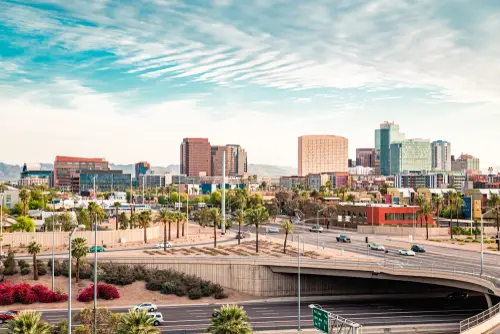
Phoenix’s housing market has cooled significantly after years of explosive growth. Prices have declined from peak levels as supply increased and demand normalized. Builders are offering incentives that were unthinkable during the boom. That alone signals a major shift.
Remote-work migration slowed, removing a key demand driver. Buyers now hesitate instead of rushing offers. Price cuts are increasingly common across metro areas. Phoenix’s correction is well documented and ongoing.
12. San Antonio, Texas

San Antonio’s market has softened after a long period of relative stability. Prices have dipped modestly as inventory grows and buyer demand cools. Even this historically affordable city is feeling the pressure of higher borrowing costs. The balance has shifted toward buyers.
Homes take longer to sell, and negotiations are back. Sellers can no longer rely on automatic appreciation. The slowdown may be gentler than in Austin, but it’s still real. San Antonio’s crash is quiet but measurable.
13. Orlando, Florida

Orlando’s housing market has pulled back after rapid pandemic-era growth. Prices have slipped as investor demand cooled and inventory rose. Buyers now have options instead of competition. That alone marks a market correction.
Tourism-related uncertainty and insurance costs have weighed on sentiment. Listings often need price reductions to attract interest. The pace of sales has slowed considerably. Orlando’s market already turned the corner.
14. San Francisco, California

San Francisco’s housing market has declined from peak levels following tech layoffs and remote-work shifts. Prices have softened across much of the city, particularly for condos. Demand has weakened as affordability challenges intensified. This marks a structural reset rather than a short-term dip.
High-end properties still perform better, but the broader market tells a different story. Buyers have leverage they haven’t had in years. Sellers face longer timelines and pricing pressure. San Francisco’s crash happened through erosion, not collapse.
This post The Housing Market Already Crashed in These Cities was first published on American Charm.

