1. Naples, Florida
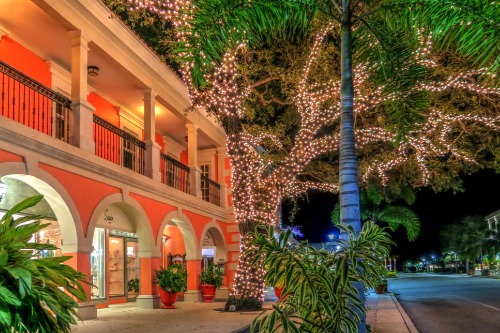
Naples offers gorgeous beaches and upscale living, attracting retirees who want luxury and leisure. But the cost of housing is among the highest in Florida, straining many fixed-income budgets. Hurricanes are an annual threat, creating financial and emotional stress. The summer humidity and heat are intense, making outdoor activity challenging.
Healthcare demand spikes during “snowbird” season, which can make appointments hard to schedule. Traffic congestion grows in winter months, despite being a relatively small city. Even simple errands like grocery shopping can take longer than expected. Retirees often find that the paradise image comes with more headaches than advertised.
2. Scottsdale, Arizona

Scottsdale’s desert beauty is hard to beat, but the extreme summer heat is a real challenge. Temperatures often soar above 110°F, which limits outdoor activities and increases energy bills. Air conditioning becomes a necessity, not a luxury, which can strain budgets. For those with health concerns, the dry heat can exacerbate respiratory and skin conditions.
The city also has a high cost of living, especially in housing, which is climbing faster than inflation. Many retirees find that downsizing or relocating is a financial puzzle they didn’t anticipate. Even leisure amenities, like golf clubs and resorts, have membership fees that add up. This combination of environmental and financial stress can quietly undermine the picture-perfect lifestyle many envision.
3. The Villages, Florida
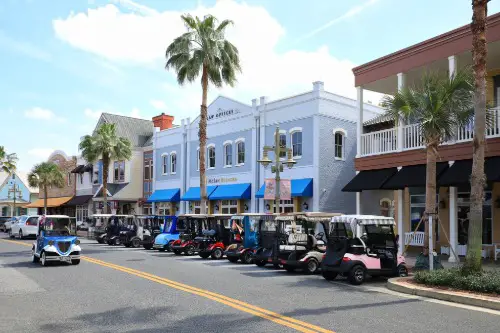
The Villages markets itself as a dream retirement community, filled with golf carts and social clubs. However, the rapid growth of the area has led to increased traffic and congested streets. Noise from construction and dense development can erode the peace retirees expect. Some find the constant social activity overwhelming rather than relaxing.
Healthcare access is another concern. While there are plenty of clinics, demand can outstrip availability, especially for specialized care. The sheer pace of growth can also create a sense of impermanence and instability. For those expecting tranquility, the booming development may be more stressful than satisfying.
4. Asheville, North Carolina
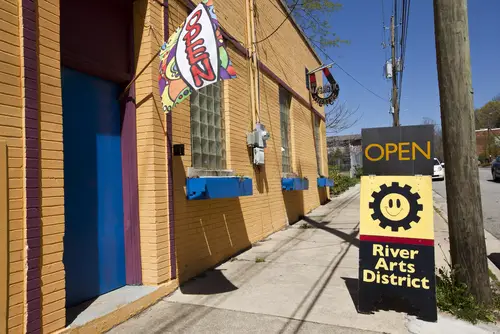
Nestled in the mountains, Asheville attracts retirees with its arts scene and natural beauty. Yet the popularity of the city has driven up housing costs significantly in recent years. Gentrification has pushed some longtime residents out of their neighborhoods. Weather, while mild, can bring heavy rainfall that affects mobility and daily planning.
Healthcare availability is also uneven outside the main hospital corridors. Travel time to quality specialists can be significant, especially for those living in rural outskirts. Seasonal tourist influxes add another layer of congestion to the otherwise sleepy streets. For some, these hidden stresses make the mountain paradise feel less like retirement heaven.
5. Portland, Oregon
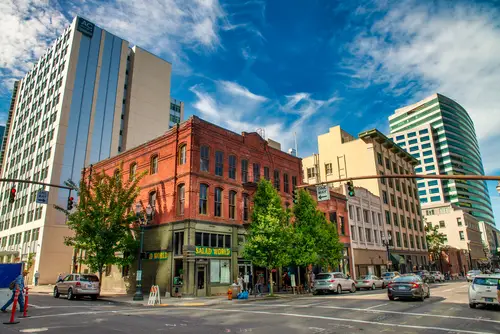
Portland appeals with its culture, food scene, and greenery, making it a top choice for active retirees. Yet the city’s rising cost of living is a real concern for those on a fixed income. Property taxes and rental prices have surged alongside urban development. Even simple outings can become expensive, adding subtle stress to everyday life.
Traffic congestion and public transportation issues compound the challenge. While Portland is walkable in many areas, retirees often need cars to get to healthcare appointments. Winters are damp and gray, which can affect mood and energy levels. Together, these factors quietly chip away at the idealized retirement lifestyle.
6. Austin, Texas
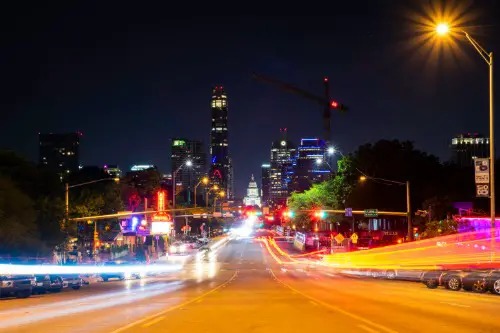
Austin’s lively music scene and warm climate attract many retirees seeking energy and community. However, the city has experienced explosive growth, leading to traffic headaches and longer commutes. Real estate prices have skyrocketed, making it hard for retirees to find affordable homes. Noise and crowds in central areas can overwhelm those seeking calm.
Healthcare infrastructure is also strained in fast-growing neighborhoods. Wait times for specialists are longer than in smaller towns. Air quality can fluctuate due to urban congestion and regional wildfires. For retirees expecting laid-back Texas charm, the reality can be surprisingly stressful.
7. Santa Fe, New Mexico
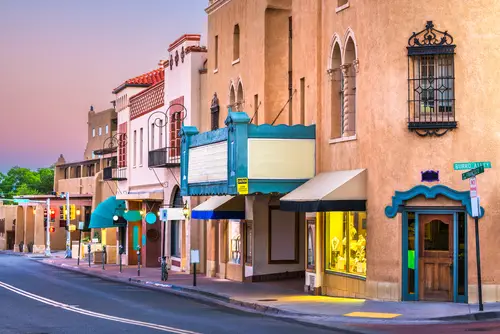
Santa Fe is known for its artsy culture and stunning desert landscape, drawing retirees from across the country. Yet the high altitude can affect health, particularly for those with respiratory or cardiovascular issues. Winters bring cold temperatures that can complicate mobility. Housing prices have been climbing, making retirement here financially challenging.
Access to healthcare can also be limited, with fewer specialized facilities than larger urban areas. Roads can be narrow and winding, adding stress to daily travel. Seasonal tourism spikes can disrupt the quiet many retirees expect. The combination of environmental and logistical hurdles can quietly undermine relaxation.
8. Sarasota, Florida
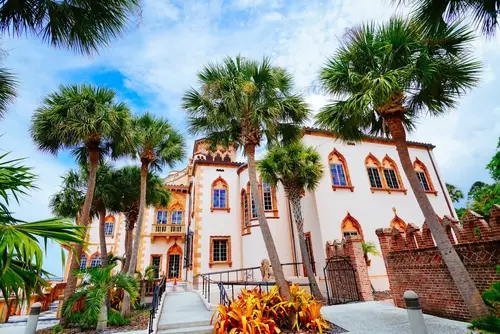
Sarasota is known for its beaches and arts scene, drawing retirees from all over the country. But the cost of living here has been steadily climbing, putting pressure on fixed-income residents. Healthcare can also be stretched during peak retirement seasons, making doctor appointments harder to schedule. While the sun is beautiful, it comes with intense humidity that can be physically draining.
Traffic is another factor that frustrates locals, especially during tourist season. Roads can become congested quickly, turning short trips into long, stressful drives. Many retirees move here expecting a quiet, easy pace of life, only to find that daily errands can feel like a chore. The constant balancing of enjoyment and inconvenience can quietly add up to stress over time.
9. Charleston, South Carolina
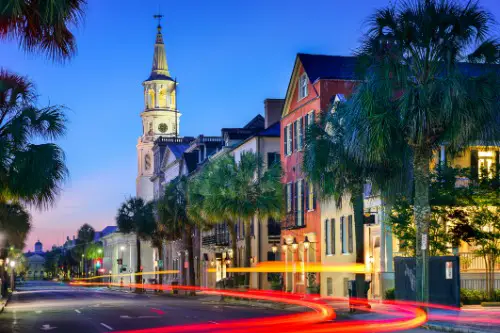
Charleston charms with its historic architecture and coastal lifestyle. Yet flooding and hurricanes are constant concerns for retirees living near the water. The cost of flood insurance and property maintenance can add significant financial stress. Summer heat and humidity also make daily life more physically taxing.
Traffic congestion in tourist-heavy areas adds a daily challenge. Parking near popular attractions can be difficult, even for locals. Healthcare quality is strong in some areas but limited in rural suburbs. The idyllic Southern lifestyle comes with hidden layers of logistical and financial strain.
10. Bend, Oregon

Bend attracts retirees with its outdoor recreation and scenic landscapes. However, the city has experienced rapid growth, leading to a tight housing market. Prices have surged faster than inflation, forcing many retirees to adjust expectations. Winters are cold and snowy, which can make mobility tricky for older adults.
Healthcare resources are limited, especially for specialized care. Travel to larger cities for medical services can become a frequent necessity. Tourism in summer adds congestion to roads and local businesses. While picturesque, Bend’s lifestyle comes with challenges many newcomers underestimate.
11. Palm Springs, California

Palm Springs offers year-round sun and a resort-like lifestyle that draws retirees in droves. Yet the desert heat can be oppressive, particularly in summer, limiting outdoor activity. Housing prices are high, and property taxes add another layer of financial concern. Water scarcity is a growing issue, impacting daily life and costs.
Healthcare services are concentrated in certain areas, which can create accessibility issues. Tourist influxes and second-home owners add traffic and crowding. Seasonal windstorms, known locally as “Santa Anas,” can disrupt routines and cause stress. The allure of Palm Springs comes with environmental and economic pressures that aren’t always obvious at first glance.
This post The Hidden Stress of America’s Favorite Retirement Spots was first published on American Charm.