1. A city shaped by the river, not a grid
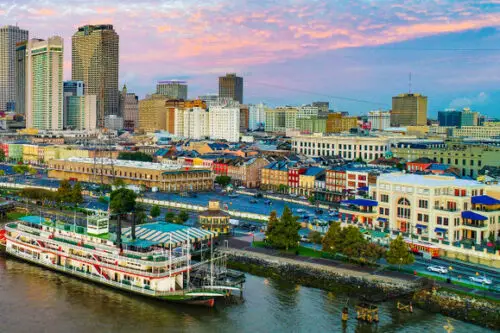
New Orleans bends and breathes around the Mississippi River, and you can feel that geography in daily life. The river dictated trade routes, neighborhoods, and even the city’s subtle, off-kilter layout. Streets don’t always behave like neat American grids because the water came first. That constant curve gives the city a sense of movement, like it’s always mid-conversation with the current.
The river also made the city a gateway rather than a stopover. Goods, people, and ideas flowed in from the Caribbean, Europe, and the American interior. That mix created a cultural layering you can still see block by block. It feels less like one city and more like several worlds braided together.
2. Architecture that looks European but lives Southern
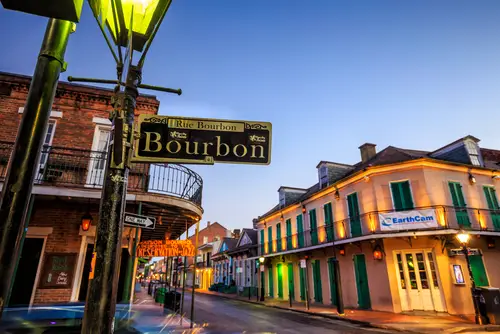
Walk through the French Quarter and you’ll notice wrought-iron balconies, interior courtyards, and colorful plaster walls. Those design choices come from French and Spanish colonial rule rather than typical British-influenced American planning. Buildings sit right up against the sidewalk, creating shade and intimacy. The result feels closer to the Mediterranean than the modern U.S.
But the climate shaped how those buildings function day to day. High ceilings, tall windows, and shaded galleries help manage heat and humidity naturally. Hidden courtyards invite airflow and private outdoor life. It’s Old World design adapted for Gulf Coast survival.
3. Music isn’t entertainment here, it’s infrastructure
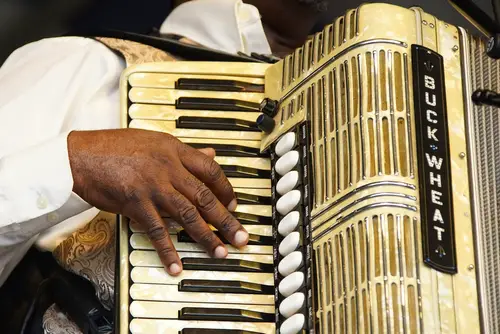
New Orleans is widely recognized as the birthplace of jazz, and that legacy still pulses through the streets. Music spills out of clubs, second lines, weddings, and funerals as a normal part of life. You don’t have to buy a ticket to hear something extraordinary. Sound is woven into the city’s daily rhythm.
Brass bands lead parades that can form with little notice. Street performers often play at a professional level because the local talent pool runs deep. Kids grow up seeing music as a community language, not a distant dream. That constant presence makes the city feel alive in a way few places match.
4. A festival calendar that never really sleeps
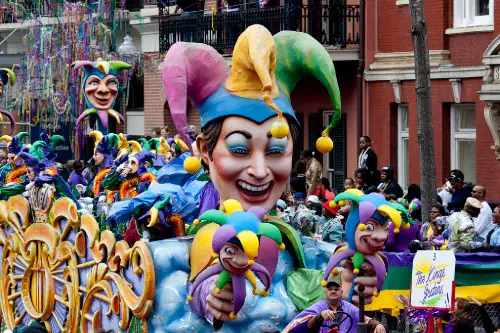
Mardi Gras is the headline act, but it’s only one part of a year-round celebration cycle. Carnival season alone includes weeks of parades organized by long-standing social clubs called krewes. The scale ranges from neighborhood walking parades to massive float processions. Celebration here is structured, historical, and deeply communal.
Beyond Carnival, major events keep the momentum going. New Orleans Jazz & Heritage Festival draws international audiences every spring. Food festivals, cultural fairs, and neighborhood events fill the gaps between marquee dates. The city’s identity is reinforced through constant gathering.
5. Food that tells migration stories on every plate

Local cuisine blends French, Spanish, West African, Caribbean, and Native American influences into something distinctly regional. Dishes like gumbo and jambalaya reflect layered culinary traditions rather than single origins. Recipes evolved through port trade, migration, and adaptation to local ingredients. Eating here feels like reading a living history book.
Restaurants range from corner po’boy shops to historic fine dining rooms. Café du Monde has served beignets and chicory coffee since the 19th century. Generations return to the same tables, making meals feel ritualistic. Flavor becomes a shared civic experience.
6. Neighborhood identities that feel like small towns
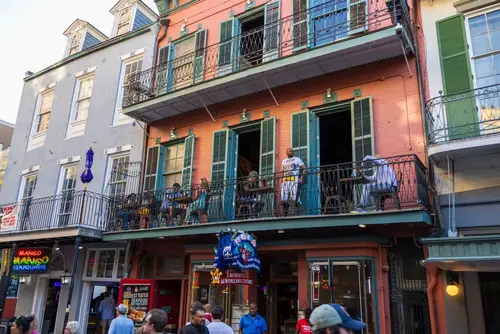
The city is divided into wards and neighborhoods with strong local loyalties. Areas like Tremé carry deep cultural and musical significance. Residents often identify with their neighborhood as strongly as the city itself. Traditions are preserved block by block.
Second lines, porch gatherings, and local bars create tight social networks. Community events are hyperlocal and deeply attended. History is passed down through families who have lived there for generations. That intimacy makes a major city feel personal.
7. A spiritual blend you won’t find elsewhere
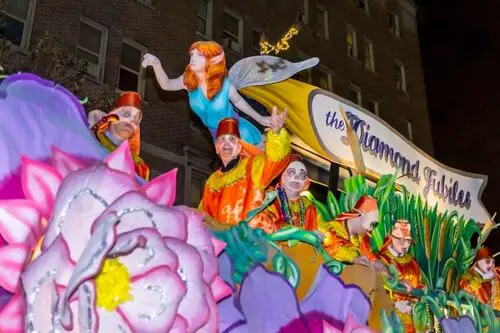
Catholicism arrived with French and Spanish settlers and remains highly visible. Things like feast days and church architecture still shape community life. At the same time, West African spiritual traditions survived through syncretic practices. The overlap created a distinctive religious landscape.
Louisiana Voodoo developed locally with unique customs and symbolism. It differs from Haitian Vodou while sharing historical roots. Spiritual shops, altars, and folklore are part of everyday scenery. Faith here feels layered rather than singular.
8. Cemeteries built like cities of the dead
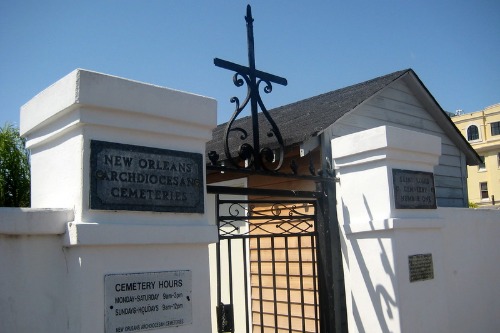
Because the water table is so high, traditional underground burial isn’t practical. Tombs are constructed above ground in elaborate stone structures. The result is rows of mausoleums that resemble small neighborhoods. Burial practices became architectural statements.
St. Louis Cemetery No. 1 is one of the most famous examples. Its above-ground vaults date back to the 18th century. Families often reuse tombs following long-standing customs. Even memorial spaces reflect environmental adaptation.
9. A legal system with continental roots
Unlike every other U.S. state, Louisiana uses a civil law system influenced by French and Spanish codes. Most states follow English common law traditions. Property, contracts, and legal terminology reflect that difference. The distinction still affects court procedures and legal education.
This legal heritage traces back to colonial governance. When the U.S. acquired the territory, the existing framework remained largely intact. Law schools in the state teach both civil and common law concepts. The hybrid system quietly shapes daily life.
10. Climate that encourages outdoor living at night

Subtropical heat and humidity dominate much of the year. Daytime activity often slows during peak summer hours. Evenings become the natural time for gathering and movement. The city feels most awake after sunset.
Open-air music, late dinners, and nighttime festivals fit the environment. Balconies and courtyards extend living space outdoors. Social life adapts to temperature patterns rather than strict schedules. That nocturnal energy feels distinctly local.
11. A resilience forged through disaster and recovery
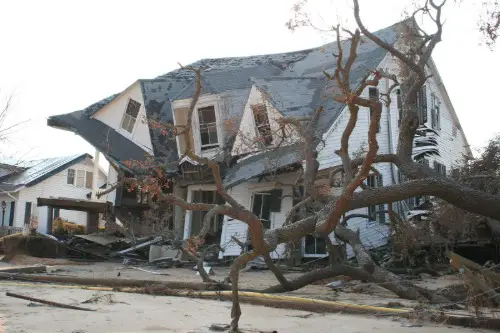
Hurricanes and flooding are recurring realities along the Gulf Coast. Events like Hurricane Katrina reshaped the city physically and socially. Levee failures led to widespread flooding and long-term displacement. Recovery required massive infrastructure and community effort.
That shared hardship strengthened civic identity. Neighborhood rebuilding became collective missions rather than isolated projects. Cultural traditions were preserved intentionally during recovery. The city’s spirit is defined as much by endurance as celebration.
This post The Hidden Reasons New Orleans Feels Unlike Anywhere Else in America was first published on American Charm.