1. Florida – Overcrowded and Aging Infrastructure
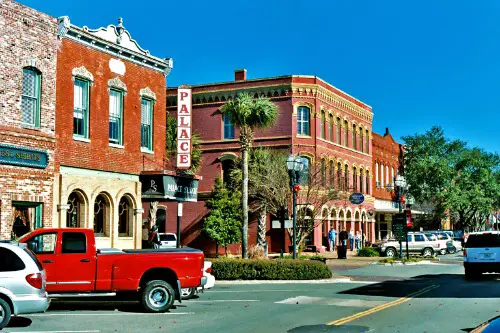
Florida draws retirees with its sunny weather and no state income tax, but the influx of newcomers has strained roads, bridges, and public services. Traffic congestion, especially in cities like Miami and Tampa, can turn even short errands into hour-long treks. The hurricane season adds another layer of stress, with flood zones and evacuation routes often overwhelmed. And with so many older residents, healthcare facilities are stretched thin during peak times.
Even outside of natural disasters, the cost of living in popular areas like Naples or Sarasota has skyrocketed. Home insurance rates have also surged because of hurricane risks. This combination can erode the financial comfort retirees expect from their “sunshine state” dream. So while Florida offers warmth and beaches, the practical daily realities can be challenging.
2. Arizona – Scorching Summers and Water Worries
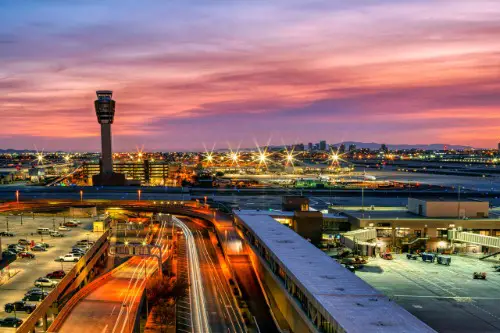
Arizona’s desert climate is a big draw for sun-seekers, but summer temperatures can soar well over 110°F. Heat waves can be dangerous for older adults, increasing risks of dehydration and heatstroke. Air conditioning bills can be shockingly high, and even short walks outdoors require careful planning. Beyond the heat, water scarcity is becoming a growing concern, especially in cities like Phoenix and Tucson.
The state’s rapid population growth has put extra pressure on infrastructure and healthcare services. Some retirees find that the once-quiet desert towns now feel crowded and congested. Wildfire smoke is another unexpected downside during dry months, affecting air quality. Retirees moving here for tranquility may find themselves battling environmental challenges instead.
3. California – Sky-High Costs and Tax Burdens
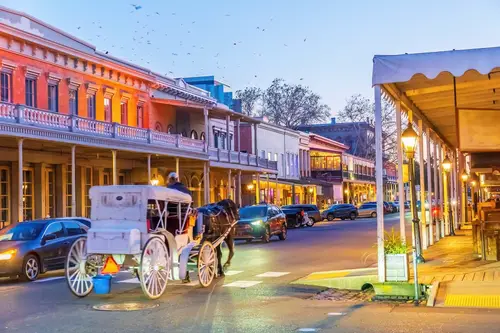
California is famous for its scenic coastlines and mild climate, but living here comes with a hefty price tag. Housing costs, even in smaller towns, are often far above the national average. Property taxes, while capped in some areas, still add significant annual expenses. For retirees on fixed incomes, this financial pressure can be surprising and stressful.
Additionally, wildfires have become an annual threat in many regions, from wine country to the foothills of Los Angeles. Earthquake risk also looms for those along the coast. Healthcare is excellent but can be expensive without supplemental insurance. What seems like paradise can quickly feel more like a costly, high-stakes gamble.
4. Texas – Sweltering Summers and Rising Crime
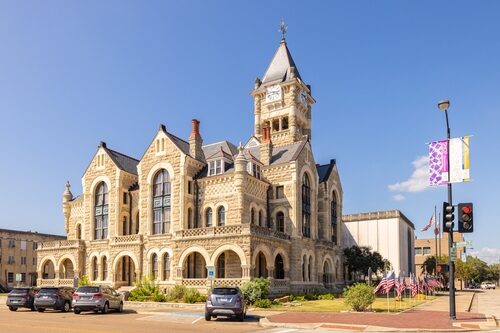
Texas appeals with its low taxes and affordable homes, yet its summer heat is brutal, particularly in cities like Austin and Houston. Humidity and high temperatures make outdoor activities uncomfortable for extended periods. Water shortages in some areas also pose long-term concerns. On top of that, urban areas have experienced upticks in crime, which can worry those prioritizing safety.
Healthcare access varies widely depending on the city or rural location, sometimes leaving seniors driving long distances for quality care. Roads and public services are often overwhelmed by rapid population growth. While the state has a vibrant culture, the sheer size of Texas can make travel and logistics tricky. Retirees need to weigh lifestyle perks against these environmental and social stressors.
5. North Carolina – Seasonal Allergies and Hurricanes
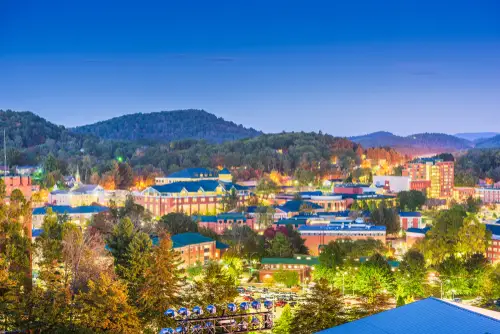
North Carolina offers mild winters and scenic mountains, but spring brings intense allergy seasons. Pollen counts are high, especially in Raleigh and Charlotte, making outdoor enjoyment difficult for sensitive retirees. Hurricanes also hit the coastal regions periodically, sometimes causing flooding and property damage. These natural issues can disrupt what is supposed to be a peaceful retirement.
The cost of living is moderate, yet healthcare access outside major cities can be limited. Roads can be congested in popular retirement corridors like Wilmington. Property insurance rates near the coast have risen because of hurricane risk. Even with its charm, the state’s environmental quirks require careful planning.
6. South Carolina – Hurricanes and Tourist Crowds
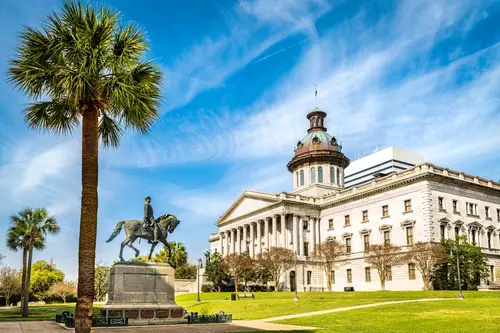
South Carolina’s warm climate and historic towns are appealing, but coastal areas face frequent hurricane threats. Flooding, evacuation hassles, and insurance costs are significant concerns. Summers are hot and humid, which can be tough for older adults. The influx of tourists during peak seasons can also make otherwise quiet towns feel crowded.
Healthcare quality varies, and some retirees find specialized medical care is concentrated in a few urban centers. Property values in coastal areas are rising, making affordability a challenge. Inland towns might avoid some storm issues but lack the amenities retirees seek. Charm comes with trade-offs, and it’s important to consider both.
7. Nevada – Extreme Heat and Limited Green Spaces
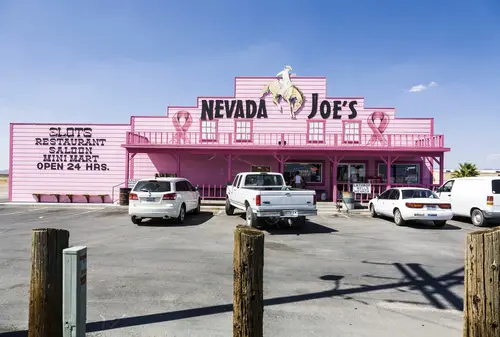
Nevada, especially Las Vegas, draws retirees for its tax-friendly environment and entertainment options. However, summers are intensely hot, with temperatures frequently exceeding 105°F. Air-conditioned spaces become a necessity, and outdoor activity options are limited. Green spaces and parks are scarce, which can impact daily quality of life.
Water scarcity is a serious concern, particularly in desert cities. Traffic congestion is increasing as the population grows. Healthcare is available but often concentrated in urban hubs, leaving rural retirees underserved. The flashy lifestyle appeal doesn’t always translate to comfortable everyday living.
8. Tennessee – Humidity and Health Infrastructure
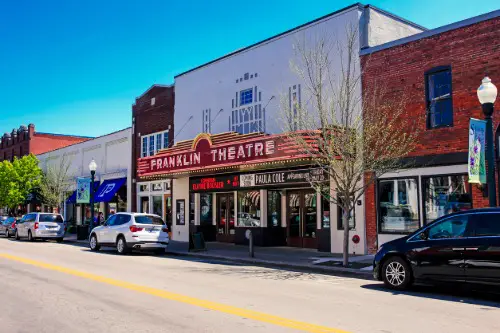
Tennessee offers no state income tax and a relatively low cost of living, but the climate can be challenging. Summers are hot and humid, leading to discomfort and increased risks for retirees with health concerns. Tornadoes occasionally strike, adding unpredictable danger. Rural areas often lack robust healthcare infrastructure, requiring longer drives for specialist care.
Urban areas like Nashville are growing rapidly, causing housing costs to rise. Traffic and construction delays are now common, reducing the small-town charm. Allergies are another seasonal issue, particularly in spring. While Tennessee has cultural perks, environmental and logistical challenges can’t be ignored.
9. Oregon – Rain and Rising Housing Costs
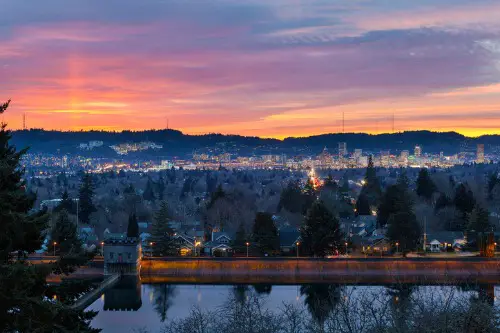
Oregon’s lush landscapes and moderate temperatures attract many retirees, but the constant rainfall in areas like Portland can feel gloomy. Seasonal depression is a real concern for those sensitive to limited sunlight. Homes in desirable areas have become increasingly expensive, putting stress on fixed incomes. Flood risks in certain regions add an extra layer of worry.
The job market and economy are strong, but property taxes and insurance are rising. Rural areas may lack access to hospitals or specialized medical care. Wildfires and smoke from nearby regions can reduce air quality even in the rainier western parts. Retirees must balance natural beauty with practical living concerns.
10. Colorado – Altitude Challenges and Cost of Living
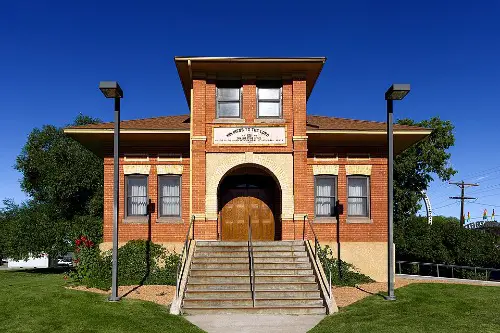
Colorado’s mountains and outdoor lifestyle are very attractive, but the high altitude can cause unexpected health issues for some retirees. Shortness of breath and other cardiovascular strains are more pronounced at elevation. Winters are long, and heavy snow can make driving treacherous. Ski resorts and tourist traffic can also make normally quiet towns feel busy.
Housing costs in Denver, Boulder, and ski towns have soared in recent years. Healthcare is good but often expensive without insurance. Wildfire smoke can drift across large regions in summer, affecting air quality. The state’s stunning scenery comes with financial and environmental trade-offs.
11. Washington – Rain, Taxes, and Urban Crowding
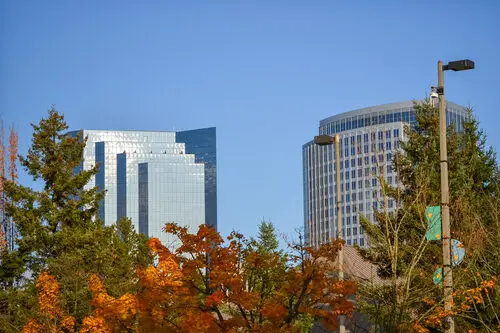
Washington offers breathtaking scenery and no state income tax, yet its frequent rain can feel oppressive for retirees used to sunnier climates. Seasonal mood changes are common, and rainy days can limit outdoor activities. Urban areas like Seattle are crowded, with high living costs and rising housing prices. Property taxes and insurance rates in desirable areas are climbing steadily.
Healthcare is high quality but can be costly in the Puget Sound region. Traffic congestion in cities can turn daily errands into stressful tasks. Earthquake risks along the coast and in Seattle add another layer of concern. Retirees hoping for peaceful natural beauty may face hidden daily stresses.
12. Pennsylvania – Harsh Winters and Property Taxes
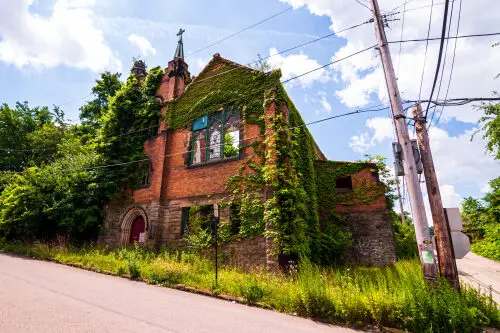
Pennsylvania attracts retirees with historic towns and access to quality healthcare, but the winters can be long and unforgiving. Snow, ice, and freezing temperatures limit mobility and make driving hazardous for older adults. Heating costs rise sharply during colder months, eating into fixed incomes. Seasonal isolation is also common in smaller towns once winter sets in.
Property taxes are among the highest in the country, particularly in suburban areas near Philadelphia and Pittsburgh. While the state offers some tax breaks for retirees, those savings can be offset by local tax burdens. Infrastructure in older communities often needs updates, leading to frequent roadwork. Retirement here can feel less affordable than expected.
13. New York – High Costs Beyond the City
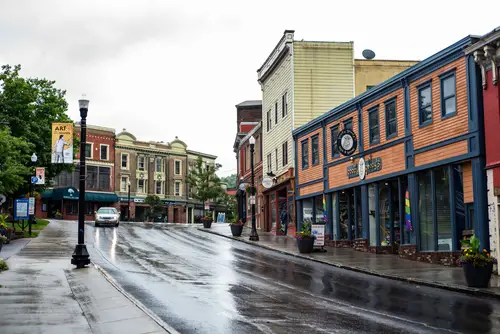
New York appeals to retirees seeking culture and top-tier healthcare, but high expenses extend far beyond New York City. Property taxes in upstate and suburban regions are steep, often surprising newcomers. Utilities, groceries, and home maintenance costs are also higher than national averages. These ongoing expenses can strain retirement budgets quickly.
Winters are cold and snowy, particularly in upstate regions, making daily life more difficult. Rural areas may lack nearby hospitals or specialists, requiring long drives for care. State taxes further reduce retirement income for many residents. The cultural benefits come with financial and logistical compromises.
14. New Mexico – Healthcare Gaps and Isolation

New Mexico’s warm climate and scenic desert landscapes attract retirees seeking tranquility. However, many areas are remote, with limited access to hospitals and specialists. Long travel distances for medical care are common, especially outside Albuquerque and Santa Fe. This can be stressful for retirees managing chronic conditions.
Infrastructure in rural communities is often outdated, affecting roads and utilities. Crime rates in certain cities are higher than expected, raising safety concerns. Economic challenges in the state can limit public services. The peaceful atmosphere sometimes comes at the cost of convenience and security.
15. Idaho – Rapid Growth and Limited Services
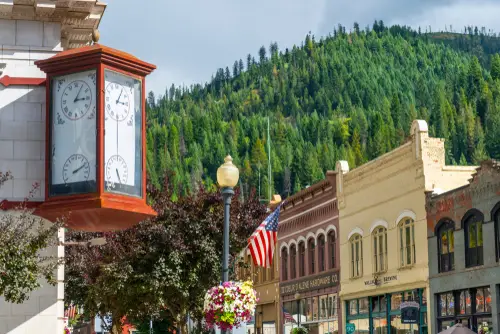
Idaho has become a retirement hotspot due to its natural beauty and lower taxes. Rapid population growth, however, has strained housing markets and infrastructure. Home prices have risen sharply, reducing affordability for retirees on fixed incomes. What once felt quiet now feels crowded in many towns.
Healthcare systems are struggling to keep pace with demand, especially outside Boise. Winters are cold and snowy, limiting mobility for several months. Public transportation options are limited in most areas. Retirees may find daily life less convenient than expected.
16. Utah – Air Quality and Cultural Adjustment
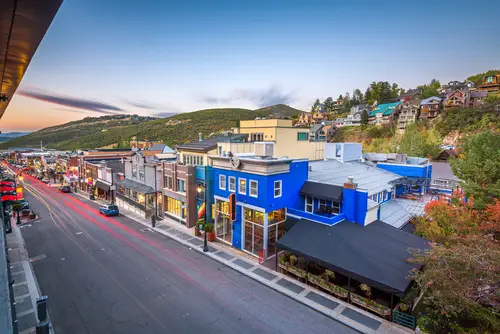
Utah draws retirees with outdoor recreation and relatively low crime rates. However, air quality issues are a serious concern, particularly in winter when pollution gets trapped in valleys. Poor air can aggravate respiratory and heart conditions. This hidden environmental issue surprises many newcomers.
Cultural and social life may feel limited for retirees unfamiliar with the state’s dominant religious culture. Healthcare is solid in urban areas but sparse in rural regions. Housing costs along the Wasatch Front are rising quickly. Retirement here can feel less inclusive and more restrictive than anticipated.
17. Michigan – Long Winters and Infrastructure Strain
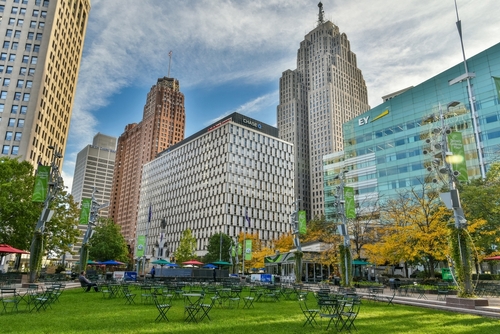
Michigan offers affordable housing and access to freshwater lakes, appealing to budget-conscious retirees. However, winters are long, dark, and snowy, limiting outdoor activity for months. Icy roads and sidewalks increase fall risks for older adults. Heating costs can also become a major expense.
Road conditions are a persistent issue, with frequent construction and potholes. Healthcare access is strong in major cities but weaker in rural areas. Some regions face economic decline, reducing local services. The natural beauty is real, but so are the seasonal hardships.
18. Alabama – Heat and Healthcare Limitations
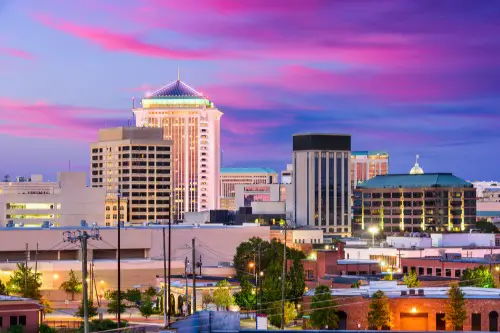
Alabama attracts retirees with low housing costs and mild winters. Summers, however, are extremely hot and humid, making outdoor activity difficult. Heat-related health risks increase significantly for older adults. Air conditioning becomes a constant and costly necessity.
Healthcare quality varies widely, with top facilities concentrated in a few cities. Rural areas often lack specialists and modern hospitals. Poverty in some regions affects infrastructure and public services. The affordability can come with compromises in care and comfort.
19. Georgia – Traffic and Climate Extremes
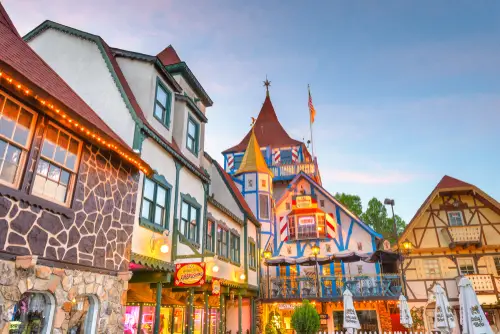
Georgia’s mild winters and tax-friendly policies make it popular among retirees. Rapid growth around Atlanta has caused severe traffic congestion, even in surrounding suburbs. What seems like a quiet community can quickly become overwhelmed by commuters. Daily errands often take longer than expected.
Summers are hot and humid, while storms and occasional hurricanes affect coastal areas. Allergy seasons are intense, particularly in spring. Housing costs are rising in popular retirement zones. The balance between affordability and livability is shifting fast.
20. Montana – Isolation and Harsh Weather
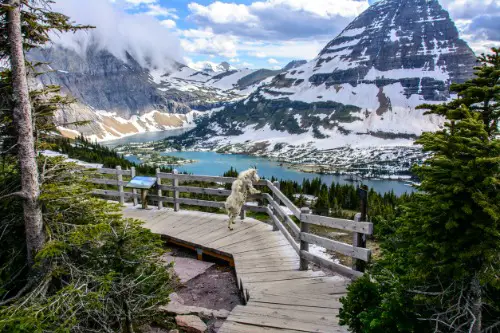
Montana appeals to retirees seeking wide-open spaces and scenic beauty. However, long winters bring extreme cold and heavy snowfall. Travel becomes difficult, and isolation can increase during colder months. Access to groceries and healthcare may be limited in rural areas.
Medical facilities are often far apart, requiring long drives for specialized care. Housing costs have risen sharply in popular towns like Bozeman. Wildfires and smoke are growing seasonal concerns. Retirement here demands resilience and careful planning.
21. Hawaii – Paradise at a Premium Price

Hawaii seems like the ultimate retirement dream with its warm climate and ocean views. The cost of living, however, is among the highest in the nation. Groceries, utilities, and healthcare come with premium price tags. Fixed incomes can feel stretched almost immediately.
Healthcare options are limited on smaller islands, sometimes requiring travel for treatment. Isolation from the mainland makes visiting family more expensive and difficult. Natural disaster risks like hurricanes and volcanic activity add uncertainty. The beauty is undeniable, but the downsides are easy to overlook.
This post The Hidden Downsides of America’s Most Popular Retirement Spots was first published on American Charm.