
1. Texas

Texas keeps showing up because it has been the single biggest magnet for domestic movers for several years running. People arrive for jobs in tech, energy, logistics, and health care, but they also come for the absence of a state income tax and relatively affordable housing compared with coastal hubs. Dallas–Fort Worth and Austin pull white-collar workers, while Houston and San Antonio attract health care, manufacturing, and military families. The scale matters here, because Texas isn’t just gaining people, it’s reshaping who arrives by absorbing Californians, Floridians, and Midwesterners at the same time.
What’s less discussed is that Texas also quietly loses people, especially native-born residents priced out of Austin and central Dallas. Some Texans move east to Arkansas or Oklahoma for cheaper homes, or south to the Rio Grande Valley to stretch retirement dollars. That churn is part of why Texas feels perpetually under construction and politically fluid. The inflow dominates the headlines, but the internal reshuffling is just as important.
2. Florida
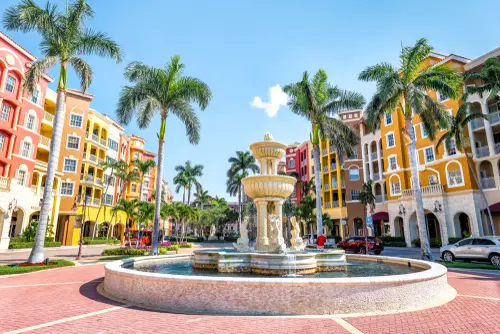
Florida is impossible to ignore because it has led the nation in net domestic migration in recent years. Retirees still dominate the stereotype, but the fastest-growing group is working-age adults relocating to Miami, Tampa, and Orlando. Remote work made Florida’s tax structure and climate more attractive, especially to people leaving the Northeast. The state’s population gains have been large enough to affect congressional representation and housing markets almost overnight.
What people talk about less is who leaves Florida and why. Insurance costs, especially for homeowners, have pushed some longtime residents to neighboring states like Georgia and Alabama. Service workers often move out after rent spikes in South Florida, even as wealthier newcomers arrive. Florida’s growth is real, but it’s also selective.
3. North Carolina
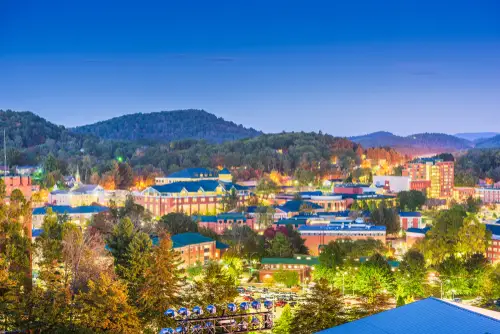
North Carolina earns its spot because it has quietly become one of the most balanced in-migration states in the South. The Research Triangle draws tech workers and academics, while Charlotte continues to attract finance and banking professionals. Compared with Florida or Texas, North Carolina offers a slower, steadier lifestyle that appeals to families. That consistency has produced sustained population gains rather than sudden booms.
At the same time, rural eastern counties are still losing residents. Young adults often leave smaller towns for Raleigh, Charlotte, or out of state entirely. That internal split explains why the state feels both booming and stagnant depending on where you stand. North Carolina isn’t just growing, it’s consolidating.
4. South Carolina

South Carolina shows up because its growth has accelerated faster than many people realize. Charleston and Greenville have become magnets for transplants from Ohio, New York, and New Jersey. Manufacturing investments, especially in automotive and aerospace, continue to draw workers from outside the region. The appeal blends coastal lifestyle with lower taxes and housing costs than nearby Florida.
The quieter story is that much of the growth comes from older Americans downsizing from higher-cost states. Younger South Carolinians still leave rural counties for better-paying jobs elsewhere. That age imbalance shapes schools, labor markets, and health care demand. The state gains people, but not evenly across generations.
5. Tennessee
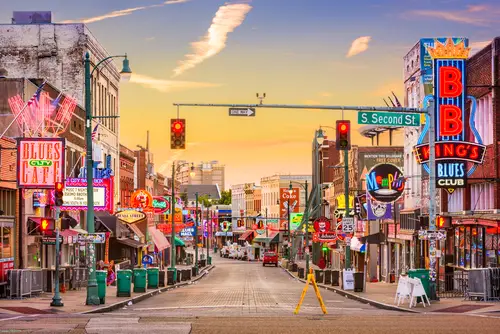
Tennessee belongs on this list because it has consistently gained residents without the flashiness of Texas or Florida. Nashville attracts entertainment, health care, and tech workers, while Knoxville and Chattanooga benefit from logistics and manufacturing. The lack of a state income tax remains a major draw. Tennessee’s growth feels organic rather than speculative.
Yet Tennessee also exports people, especially from Memphis and rural western counties. Crime concerns, school quality, and limited job diversity push some residents north to Kentucky or east to North Carolina. The state’s population story depends heavily on a few metro areas. Growth exists, but it’s geographically concentrated.
6. Georgia

Georgia’s inclusion is driven by Atlanta’s outsized influence on migration patterns. The metro area continues to draw young professionals, immigrants, and corporate relocations. Georgia benefits from a diversified economy that includes film, logistics, fintech, and higher education. That mix makes the state resilient during economic shifts.
Still, parts of south and central Georgia steadily lose population. Agricultural counties struggle to retain younger residents, who often leave for Atlanta or out of state. Housing affordability in metro Atlanta is now pushing some families to Alabama or South Carolina. Georgia gains people overall, but it also leaks them at the edges.
7. Alabama
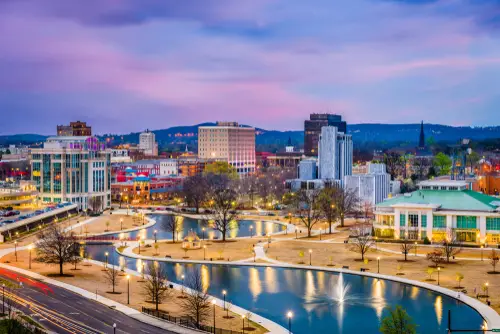
Alabama doesn’t usually make migration headlines, which is exactly why it belongs here. Huntsville has emerged as a major draw thanks to aerospace, defense, and tech industries. The city routinely ranks high for in-migration relative to its size. That growth contrasts sharply with Alabama’s long-standing reputation as a net-losing state.
Elsewhere, Alabama continues to lose residents, especially from the Black Belt and rural counties. Young people often leave for Atlanta, Nashville, or Texas in search of opportunity. The state’s population changes are uneven and highly localized. Alabama is both growing and shrinking at the same time.
8. Mississippi

Mississippi is included because it remains one of the South’s most consistent out-migration states. Economic opportunity, wages, and health outcomes continue to lag behind neighboring states. Young adults, in particular, leave for Texas, Tennessee, and Georgia. The losses are gradual but persistent.
What’s less talked about is where Mississippians go and what they take with them. Many move just across state lines, maintaining family and cultural ties. That regional movement subtly strengthens nearby states while hollowing out Mississippi’s workforce. The state’s challenge isn’t sudden decline, but long-term erosion.
9. Louisiana
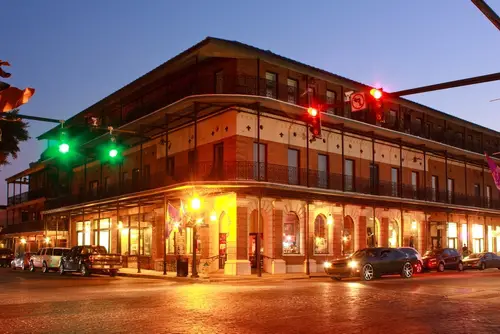
Louisiana earns a place here due to its sharp population losses in recent years. Natural disasters, rising insurance costs, and limited job growth have pushed residents out of New Orleans and coastal parishes. Texas is the most common destination, followed by Mississippi and Georgia. These moves accelerated after major hurricanes.
At the same time, Louisiana’s outflow includes a disproportionate number of young professionals. That loss affects tax revenue, school enrollment, and long-term economic prospects. Some retirees still move in, but not enough to offset departures. Louisiana’s migration story is increasingly about who leaves, not who arrives.
10. Arkansas
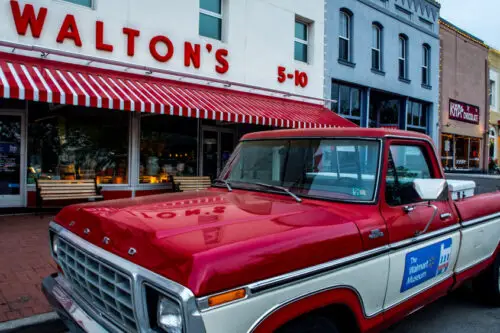
Arkansas is a quieter in-migration story that’s easy to overlook. Northwest Arkansas attracts workers tied to Walmart, logistics, and supplier networks. The region has grown rapidly compared with the rest of the state. Lower housing costs also appeal to remote workers from Texas and California.
However, eastern and southern Arkansas continue to lose population. Agricultural automation and limited job diversity push residents toward Memphis, Dallas, or Little Rock. The state’s gains are highly regional rather than statewide. Arkansas grows by pockets, not by blanket appeal.
11. Virginia
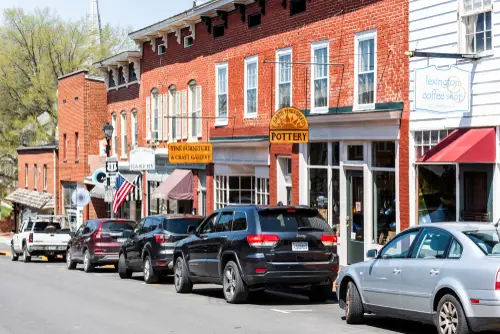
Virginia belongs here because it sits at the crossroads between the Northeast and the South. Northern Virginia attracts high-income workers tied to government, defense, and tech. At the same time, some residents leave for cheaper Southern states as housing costs rise. The state experiences both inflow and outflow simultaneously.
Southern and southwestern Virginia continue to lose population. Younger residents often leave for North Carolina or Tennessee. That internal divide affects political and economic planning. Virginia’s migration story is less about totals and more about redistribution.
12. Maryland

Maryland is included because it quietly feeds the Southern shuffle. High housing costs and taxes push some residents toward Virginia, North Carolina, and Florida. Federal workers increasingly relocate while keeping remote or hybrid roles. The state has seen steady domestic out-migration despite international inflows.
The departures often come from middle-income families seeking more space. That shift reshapes school enrollment and suburban growth patterns. Maryland’s losses don’t make headlines because they’re gradual. Still, they consistently benefit Southern states.
13. West Virginia

West Virginia appears here as one of the South’s most persistent population losers. Limited job growth and aging demographics drive long-term out-migration. Residents often relocate to Ohio, Virginia, and North Carolina. The trend has continued for decades with few interruptions.
What’s notable is that many movers stay relatively close. Cultural and family ties keep migration regional rather than national. That proximity softens the social impact but not the economic one. West Virginia’s challenge remains retaining younger workers.
14. Kentucky

Kentucky rounds out the list because it sits on the margin between gain and loss. Louisville and Lexington attract residents tied to logistics, health care, and education. Northern Kentucky benefits from proximity to Cincinnati’s job market. These areas help stabilize the state’s population.
Rural eastern Kentucky continues to lose residents steadily. Coal’s decline and limited alternatives drive younger people elsewhere. Many relocate to Tennessee or Ohio rather than far away. Kentucky’s migration story is one of fragile balance rather than clear direction.
This post The Great Southern Shuffle: States Americans Are Entering—and Leaving—and Not Talking About It was first published on American Charm.

