
1. The Decline of Boredom as a Catalyst
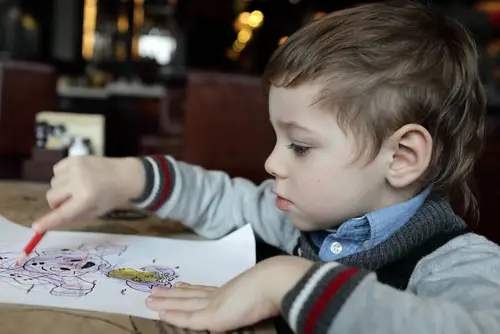
Boredom used to be a common part of free time. Without instant entertainment, people often had to create their own fun. That led to imagination, problem-solving, and spontaneous activities. It was uncomfortable at times, but also productive in subtle ways.
Now, boredom is easier to avoid entirely. A phone can fill even a few spare seconds. The result is less time spent sitting with idle thoughts. Free time becomes constantly occupied rather than open-ended.
2. The Move From Outdoor Play to Screen-Based Entertainment

Free time used to default to being outside, especially for kids. Neighborhoods, parks, and backyards were the main stage for unstructured play. You didn’t need to plan much because friends were usually nearby and available. The experience was physical, social, and often a little unpredictable.
Gradually, screens became the center of leisure time. Video games, streaming, and mobile apps offered entertainment without leaving the house. This shift made free time more convenient but also more solitary. It changed how people relax, moving from shared spaces to personal ones.
3. The Decline of Shared Family Viewing
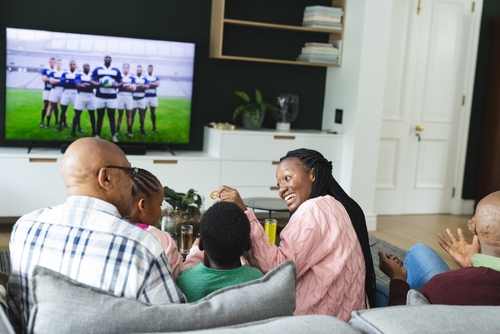
Evenings once revolved around a single television set in the living room. Families watched the same shows together because there were limited channels and devices. It created a built-in shared experience and regular conversation topics. Free time overlapped in a very literal way.
As devices multiplied, people started watching different things in different rooms. Personal screens replaced communal viewing habits. Free time became individualized rather than shared. The living room stopped being the default gathering place.
4. The Transition From Hobbies to Passive Scrolling
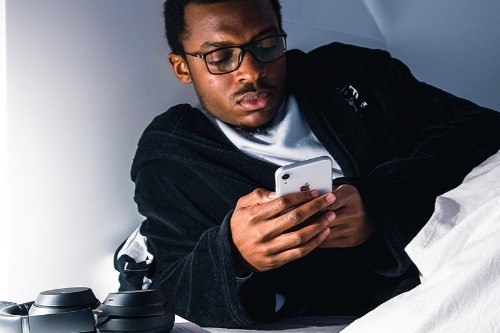
Hobbies like reading, crafting, or playing instruments used to fill long stretches of downtime. These activities required focus, patience, and often skill-building over time. They gave free time a sense of progress and personal investment. You could see improvement the more you did them.
Social media introduced a different kind of engagement. Scrolling offers constant stimulation without requiring much effort. It’s easy to fill small gaps in the day but harder to feel a sense of accomplishment. Over time, it reshaped how people think about what “relaxing” looks like.
5. The Blurring of Work and Leisure Time
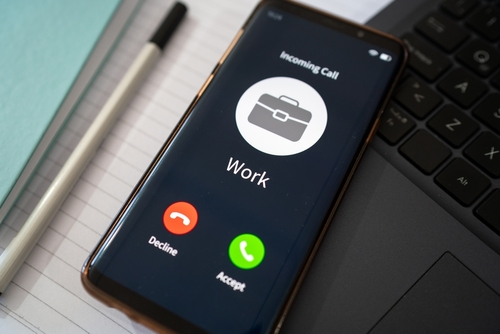
Work used to have clearer boundaries, especially before email and smartphones. When you left the office, you were largely unreachable. Free time felt more defined because it was separate from professional responsibilities. Evenings and weekends had a clearer sense of ownership.
Technology gradually erased those lines. Notifications, messages, and remote access keep work within arm’s reach at all times. People now dip in and out of work during what used to be uninterrupted leisure. Free time feels more fragmented as a result.
6. The Shift From In-Person Socializing to Digital Interaction
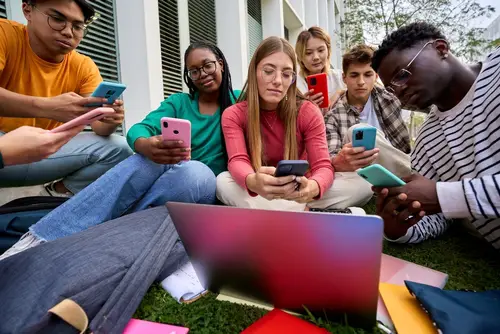
Meeting friends once required physical presence, whether at someone’s house or a public space. Conversations happened face-to-face, with all the nuance that comes with it. Plans took more effort, but the payoff felt more immersive. Free time was often built around being together.
Messaging apps and social platforms made staying in touch easier. You can now maintain relationships without leaving your home. While convenient, it changes the texture of social time. Interaction becomes more frequent but sometimes less deep.
7. The Rise of On-Demand Entertainment
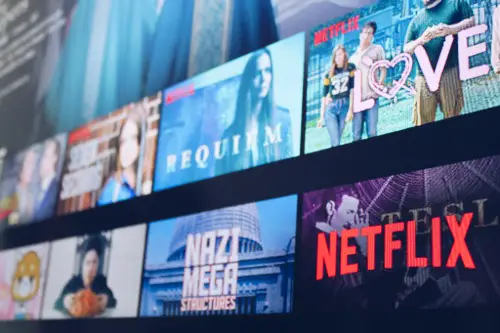
There was a time when you had to wait for your favorite show to air at a specific hour. Movies meant going to a theater or renting something in advance. That structure gave free time a sense of anticipation and routine. Missing something often meant waiting days or weeks to catch it again.
Streaming services changed that rhythm completely. Now, entire seasons are available instantly, and content is always within reach. Free time became less about planning and more about choosing from endless options. The shift made entertainment more flexible, but also easier to overconsume.
8. The Evolution of Travel and Vacation Planning
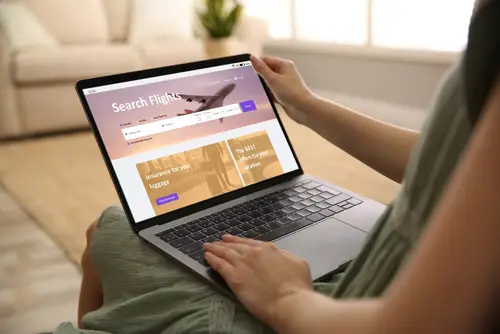
Planning a trip once meant guidebooks, travel agents, and a fair amount of guesswork. Part of the experience was discovering places as you went. Free time during travel felt exploratory and sometimes unpredictable. Mistakes were part of the story.
Digital tools changed that dynamic. Reviews, maps, and itineraries are available instantly. Travelers can optimize nearly every moment of a trip. While that reduces uncertainty, it can also reduce spontaneity. Free time on vacation becomes more structured than it used to be.
9. The Rise of Multitasking During Leisure

Leisure used to be more singular in focus. Watching TV meant just watching TV, and reading meant just reading. Activities had clearer boundaries and demanded more attention. Free time felt slower and more immersive.
Now, it’s common to combine activities. People scroll their phones while watching shows or listen to podcasts while doing other tasks. This layering changes how deeply we engage with any one thing. Free time becomes more about efficiency than immersion.
10. The Commercialization of Downtime
Many forms of leisure used to be low-cost or free. Playing outside, borrowing books, or visiting friends didn’t require much spending. Free time was shaped more by availability than by consumption. It felt accessible regardless of budget.
Over time, more leisure activities became tied to subscriptions, tickets, or purchases. Streaming platforms, gaming, and curated experiences often come with ongoing costs. Free time increasingly overlaps with consumer habits. That shift subtly changes how people choose to relax.
11. The Personalization of Entertainment Algorithms
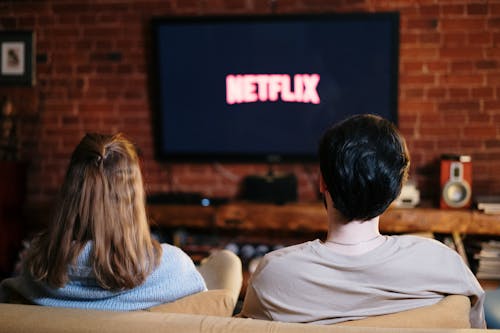
Entertainment used to be shaped by limited options and shared cultural moments. Everyone watched the same popular shows or listened to the same radio hits. Free time often overlapped with what everyone else was experiencing. It created a sense of collective rhythm.
Algorithms now tailor content to individual preferences. Recommendations are based on past behavior rather than shared schedules. This makes entertainment feel more relevant, but also more isolated. Free time becomes uniquely curated instead of widely shared.
This post The Gradual Shift That Changed How People Experience Free Time was first published on American Charm.