1. Healthcare Costs That Shock

Americans often expect that visiting a doctor or hospital will be relatively straightforward and affordable, especially if they have insurance. In reality, even with coverage, surprise bills and high deductibles leave many people paying more than they anticipated. The promise of accessible healthcare frequently clashes with the reality of medical debt. It’s a gap that causes stress, delays care, and makes people rethink when they should even see a doctor.
Patients assume insurance will cover most of their care, but hidden fees, out-of-network charges, and medication costs often inflate bills unexpectedly. This disconnect between expectation and reality highlights systemic inefficiencies. People expect predictability and transparency, but billing practices often feel opaque. For many, navigating healthcare costs becomes a job in itself.
2. Job Security That Isn’t

The idea that hard work guarantees job stability is still deeply ingrained in American culture. Unfortunately, layoffs, automation, and contract work mean that security is less certain than people hope. Even employees in traditionally “stable” industries can find themselves unexpectedly unemployed. This gap leaves workers feeling vulnerable despite their dedication.
People expect loyalty from employers in exchange for commitment, but the modern job market often prioritizes flexibility over tenure. Contracts, gig work, and performance-based roles create uncertainty. Employees anticipate long-term stability, yet companies regularly restructure to cut costs. The result is a mismatch between expectations of security and the precarious reality of work.
3. Education That Doesn’t Match Career Outcomes
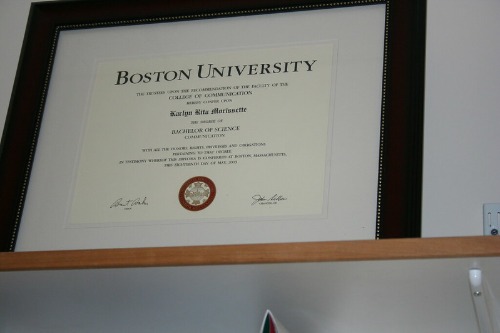
Many Americans invest in higher education expecting it to lead directly to a fulfilling, well-paying career. However, degree holders often face underemployment or find their skills don’t match the job market. Student debt compounds the disappointment when earnings aren’t enough to cover loans. This mismatch can make people question whether their educational path was worth it.
Colleges promise not just knowledge but a clear career trajectory, yet economic shifts and technological change can render certain degrees less valuable. Students assume preparation equals opportunity, but the labor market doesn’t always reward credentials proportionally. Career guidance is often generic rather than tailored to emerging fields. The gap leaves graduates navigating uncertainty far beyond graduation day.
4. Housing Affordability That Feels Out of Reach
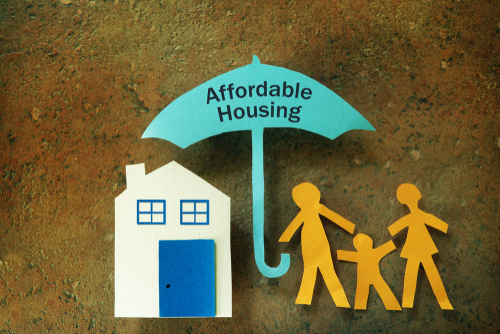
Homeownership is still seen as a central piece of the American Dream, but rising prices have put it out of reach for many. Millennials and Gen Z often expect that steady work will eventually translate into owning a home. In reality, wages haven’t kept pace with inflation, and urban markets are fiercely competitive. The dream of a starter home is increasingly replaced by long-term renting.
Expectations of stability clash with reality as housing costs consume larger portions of income. People anticipate a path from renting to owning, yet economic conditions frequently disrupt that plan. Mortgage rates, down payments, and bidding wars make the process daunting. For many, the idea of owning a home remains aspirational rather than attainable.
5. Retirement Savings That Fall Short
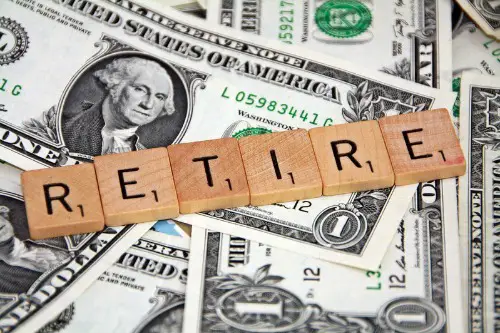
Americans often expect to retire comfortably after decades of work. Unfortunately, many find their savings insufficient due to low wages, market fluctuations, or unexpected expenses. Social Security alone rarely covers all needs, leaving a gap between expectation and reality. This discrepancy causes stress and forces people to delay retirement or change lifestyle plans.
Planning for retirement assumes stability in income and investments, but life rarely follows a neat formula. Rising healthcare and living costs exacerbate the shortfall. People expect that careful saving guarantees security, yet inflation and economic shifts undermine that confidence. The gap leaves millions anxious about their future financial independence.
6. Customer Service That Actually Helps

Many Americans still expect customer service to solve problems efficiently and pleasantly. In reality, long wait times, automated systems, and scripted responses often create frustration rather than resolution. The gap between expectation and experience is stark in industries from banking to tech support. Consumers leave interactions feeling unheard and undervalued.
Companies anticipate that automation will streamline support, but the human touch often gets lost. People assume staff will have the authority and knowledge to resolve issues quickly. Instead, obstacles and transfers multiply, extending frustration. This mismatch erodes trust and makes even routine transactions stressful.
7. Political Promises That Stick

Voters often expect elected officials to follow through on campaign promises and represent their constituents faithfully. Reality frequently falls short, as political compromise, lobbying pressures, and bureaucracy hinder execution. Policies are slower to materialize, or outcomes don’t reflect expectations. This creates cynicism and a sense of disconnection from government.
Citizens assume transparency and accountability, yet governance is messy and iterative. Campaign messaging simplifies complex issues, leading to unmet expectations. People anticipate change, but entrenched systems resist it. The resulting gap fosters frustration and disengagement.
8. Technology That Just Works
Americans often assume that new devices or apps will seamlessly improve daily life. Yet glitches, updates, and incompatibility issues can make technology more frustrating than helpful. The promise of efficiency clashes with the reality of constant troubleshooting. Users quickly feel the difference between expectation and real-world performance.
Expectations are high because tech marketing emphasizes simplicity and speed. People assume plug-and-play experiences, but integration challenges are common. Software updates can create new problems instead of solving old ones. The gap reminds us that even cutting-edge tools have human limitations.
9. Transportation That’s Convenient
Many assume that public transportation or commuting infrastructure will be fast, reliable, and stress-free. In practice, delays, underfunded systems, and traffic congestion make travel unpredictable. The reality is a daily struggle to reach destinations on time. Commuters often spend more time planning around obstacles than actually moving efficiently.
Expectations are based on ideal systems or experiences abroad, but domestic infrastructure often falls short. People anticipate convenience, yet maintenance backlogs and outdated networks limit reliability. Road congestion and unpredictable transit schedules disrupt routines. This gap affects quality of life, productivity, and even mental health.
10. Food That’s Affordable and Healthy

Americans expect that nutritious food will be accessible and affordable, but the reality is more complicated. Processed and fast foods are often cheaper and more convenient than fresh, whole ingredients. Low-income families face particular challenges in making healthy choices. The expectation of healthy, budget-friendly meals frequently clashes with what’s available locally.
People assume grocery stores will offer equitable access to quality foods, but food deserts and price disparities complicate this. Health-conscious eating often requires more planning and resources than anticipated. Marketing promises balance and variety, yet availability varies widely. This gap affects both physical health and overall lifestyle satisfaction.
11. Work-Life Balance That Actually Exists

Many Americans enter the workforce expecting a balance between career and personal life. Yet long hours, constant connectivity, and high workloads often blur the line between home and office. People assume that modern policies like remote work or flexible hours will protect personal time. Reality, however, shows that stress and burnout are widespread.
The promise of balance is often aspirational rather than practical. Companies may offer perks but still demand constant availability. Workers anticipate flexibility, but organizational culture can undermine it. This mismatch leaves many juggling obligations with insufficient support.
This post The Gap Between What Americans Expect and What They Get was first published on American Charm.