
1. Equal Opportunity and Where You’re Born
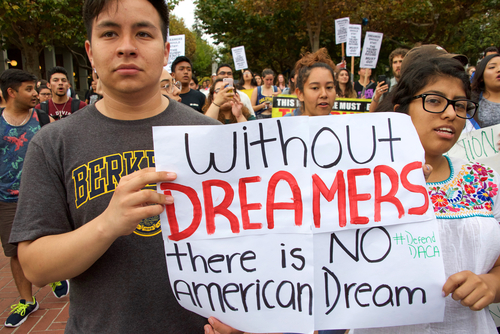
America promises that anyone can succeed if they work hard enough. That idea shows up in school lessons, movies, and political speeches. It suggests that effort matters more than background. People grow up believing the starting line is basically the same for everyone.
In reality, zip code shapes almost everything. Schools, healthcare access, safety, and job networks vary widely by neighborhood. Being born into poverty makes climbing much harder, no matter how hard you work. The promise ignores how uneven the ground really is.
2. Public Education as the Great Equalizer

Public schools were meant to give every child a fair shot. The idea was simple: free education would create informed citizens and economic mobility. It’s a promise many families still believe in deeply. School is supposed to be the place where gaps narrow.
But schools are funded largely by local property taxes. That means wealthy areas get better buildings, smaller classes, and more resources. Poorer districts struggle just to keep the lights on. The system quietly delivers unequal outcomes while promising equal chances.
3. College as a Path to Stability

For decades, America sold college as the safest road to a good life. Get a degree, and the jobs will follow. Guidance counselors and parents repeated this advice endlessly. It became a near-guarantee in the national story.
College costs rose far faster than wages. Many graduates now carry heavy debt without the job security they were promised. Degrees don’t always translate into stable income anymore. The promise stayed the same while the math completely changed.
4. Full-Time Work and Financial Security
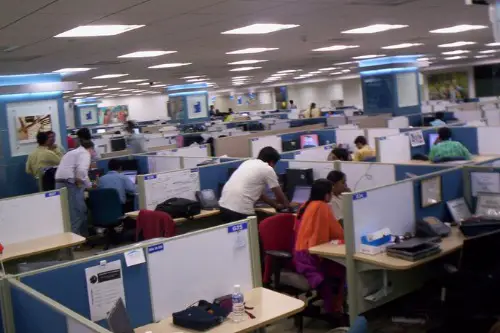
There’s a long-standing belief that full-time work should cover basic needs. If you work forty hours a week, you should afford rent, food, and healthcare. This idea feels reasonable and deeply American. It’s often framed as simple fairness.
For many workers, that promise no longer holds. Wages stagnated while housing, childcare, and healthcare costs soared. Millions work full time and still live paycheck to paycheck. Effort alone doesn’t guarantee stability anymore.
5. Homeownership as a Milestone

Owning a home has been framed as a sign you made it. It’s tied to security, community, and long-term wealth. Government policies once actively encouraged this goal. The message was clear: buy a home and build a future.
Rising home prices and tighter lending changed the picture. Many younger Americans are priced out entirely. Others rent longer while watching wealth accumulate elsewhere. The promise remains, but access has narrowed sharply.
6. Healthcare and Peace of Mind

America promises world-class medical care. The technology, hospitals, and specialists truly are advanced. People are told that if something goes wrong, help is available. It creates a sense of reassurance.
Access depends heavily on employment and income. Many avoid care because of cost, even when insured. Medical debt remains a leading cause of bankruptcy. The quality exists, but the safety net is full of holes.
7. Fair Treatment by the Justice System

The justice system promises equal treatment under the law. The phrase “justice for all” is repeated constantly. Courts are meant to be neutral and fair. Everyone is supposed to stand equal before the system.
In practice, outcomes vary widely by race and income. Wealth affects legal representation, bail, and sentencing. Minor encounters can escalate differently depending on who you are. The promise sounds absolute, but the experience often isn’t.
8. Voting as a Voice
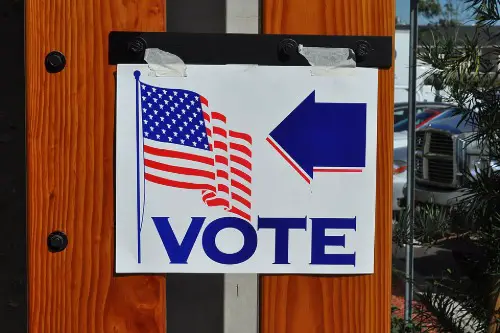
Voting is framed as the most basic civic right. America promises that every citizen’s voice matters. Elections are portrayed as the ultimate equalizer. One person, one vote is the ideal.
Barriers still exist in subtle and not-so-subtle ways. Long lines, limited polling locations, and restrictive laws affect turnout. These obstacles don’t hit all communities equally. The right exists, but access isn’t always simple.
9. Retirement After a Lifetime of Work

There’s an expectation that decades of work lead to rest and security. Retirement is supposed to be the reward at the end. Social Security and pensions were designed to support that idea. It’s a comforting promise.
Many people can’t afford to stop working. Pensions disappeared, savings fell behind, and costs rose. Some delay retirement out of necessity, not choice. The finish line keeps moving further away.
10. Safety and Trust in Public Institutions

Americans are told that institutions exist to protect them. Police, regulators, and agencies are meant to serve the public. Trust is built into the system’s design. People are expected to rely on it.
Failures erode that trust over time. Scandals, neglect, and unequal enforcement tell a different story. Confidence drops when accountability feels rare. The promise of protection doesn’t always match experience.
11. Freedom to Move Up

At its core, America promises mobility. You’re supposed to be able to do better than the generation before you. Progress is framed as both personal and national. It’s the emotional center of the American story.
Economic data shows mobility has slowed. Many people earn roughly what their parents did, adjusted for inflation. Rising costs eat away at gains. The dream still exists, but it’s harder to reach than advertised.
This post The Gap Between What America Promised and What It Delivered was first published on American Charm.

