
1. Phoenix, Arizona
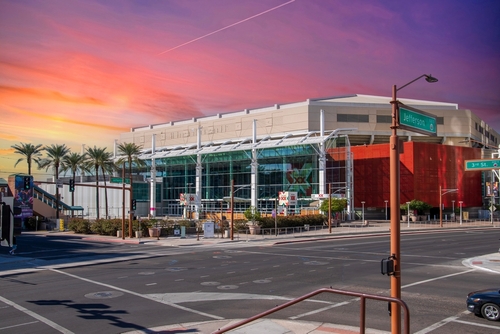
Phoenix has been one of the fastest-growing big cities in the U.S. for decades, attracting retirees, Californians, and remote workers. Recently, it has seen an increase in domestic out-migration, even while overall population growth remains positive due to international arrivals. Home prices and rents spiked dramatically after 2020, undermining its reputation as an affordable Sun Belt haven. Intensifying heat waves and water supply concerns are also weighing on residents’ decisions.
The appeal of Phoenix was always tied to lifestyle math that made sense on paper. When housing costs rose and summer temperatures became harder to tolerate, that math changed. Some residents now view the city as a place to leave once careers shift or kids arrive. The desert lifestyle still attracts newcomers, but it’s also pushing others out.
2. Austin, Texas
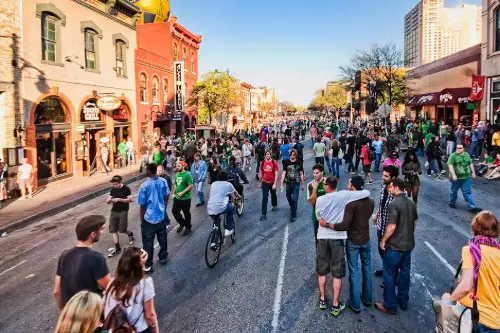
Austin spent the 2010s as one of the fastest-growing large cities in the country, driven by tech expansion, remote work, and aggressive development. In recent Census estimates, however, it has posted net domestic out-migration, meaning more Americans are leaving than arriving. Housing costs surged far faster than local wages, erasing the affordability that once defined the city. Extreme heat, worsening traffic, and a tech-sector slowdown have made many residents rethink staying.
People aren’t abandoning Austin because it stopped being fun or creative. They’re leaving because daily life has become more expensive, crowded, and stressful than expected. Former transplants are cashing out home equity and moving to cheaper Texas metros or entirely different states. For many, Austin no longer feels like a smart long-term value.
3. Las Vegas, Nevada
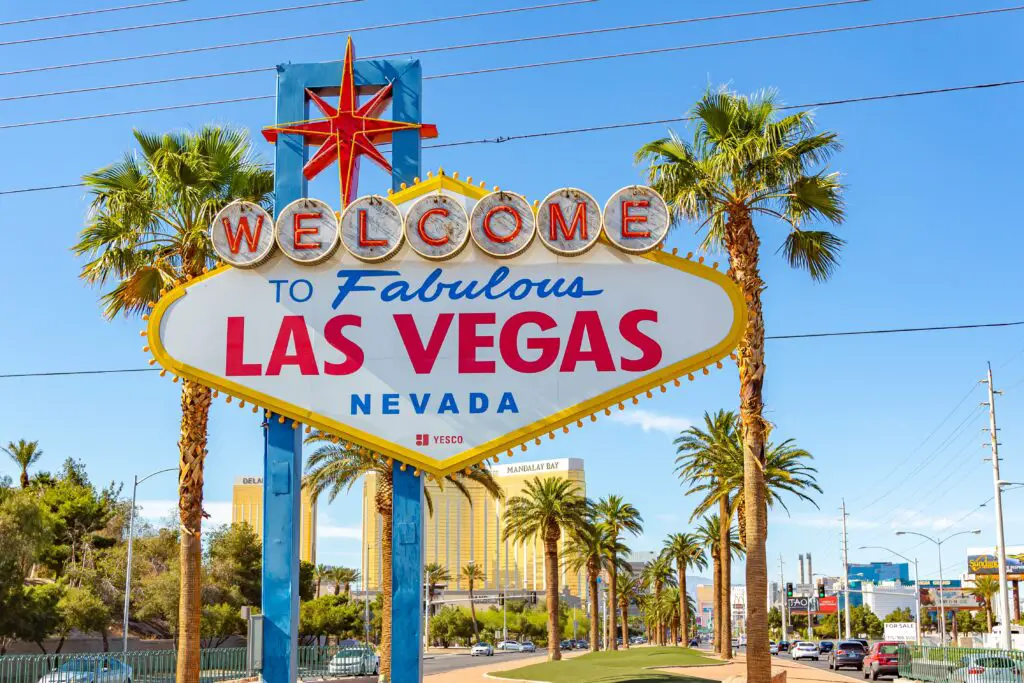
Las Vegas grew rapidly throughout the 2010s as people sought lower taxes and cheaper housing than California. In recent years, it has experienced net domestic out-migration, despite continued overall growth. Housing costs climbed sharply while wages in key industries like hospitality lagged behind. Severe drought, water restrictions, and extreme heat have also become more visible concerns.
For many residents, Las Vegas works best as a temporary stop rather than a permanent home. The job market is still heavily tied to tourism, which can feel unstable during economic downturns. Rising insurance and utility costs have further strained household budgets. As a result, some Americans are deciding it’s time to move on.
4. Boise, Idaho
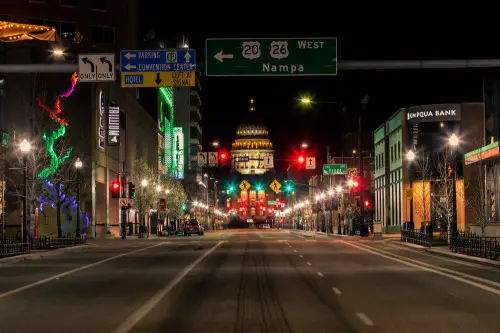
Boise exploded in popularity during the pandemic, becoming one of the fastest-growing mid-sized cities in the country. Since then, it has recorded noticeable domestic out-migration as the housing market cooled and affordability worsened. Home prices rose so quickly that many locals and recent arrivals alike were priced out. Job growth failed to keep pace with the cost of living increases.
Boise’s charm hasn’t disappeared, but its economic balance has shifted. Remote workers who arrived for cheap housing discovered fewer amenities and limited career mobility. Younger residents are leaving for larger metros with better pay and social options. The city is still growing overall, but not everyone is sticking around.
5. Nashville, Tennessee
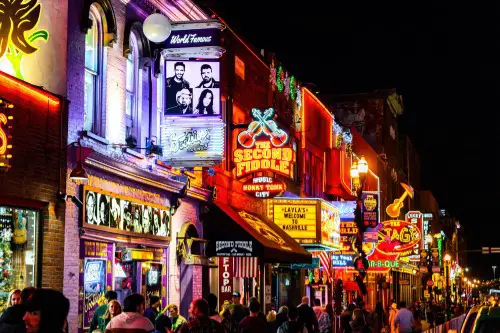
Nashville’s population surged as people chased its booming entertainment scene and expanding healthcare sector. Recently, domestic out-migration has increased, even as the metro continues to add residents overall. Housing prices jumped sharply, and infrastructure improvements lagged behind growth. Traffic congestion and rising property taxes have become daily frustrations.
Many people came to Nashville expecting a smaller-city feel with big-city opportunity. Instead, they found escalating costs and growing pains that resemble much larger metros. Longtime residents feel squeezed, while newer arrivals reassess the value proposition. Some are choosing nearby suburbs or entirely different states instead.
6. Denver, Colorado
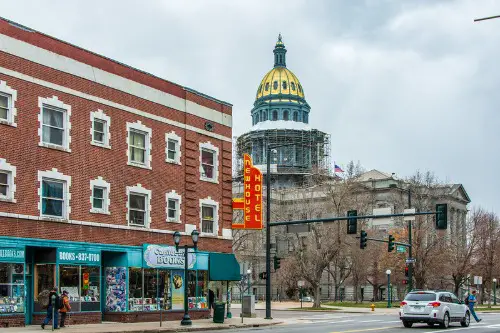
Denver grew rapidly throughout the 2010s, attracting outdoor enthusiasts and young professionals. In recent Census data, it has experienced net domestic out-migration despite strong job markets. Housing affordability has worsened dramatically, with rents and home prices outpacing income growth. Wildfire smoke, drought conditions, and heavier traffic have also affected quality of life.
Denver still offers lifestyle perks, but they now come at a premium. Many residents find themselves priced out of central neighborhoods and pushed farther from work. Others are leaving for smaller mountain towns or cheaper western cities. The growth era changed Denver faster than some residents could adapt.
7. San Antonio, Texas
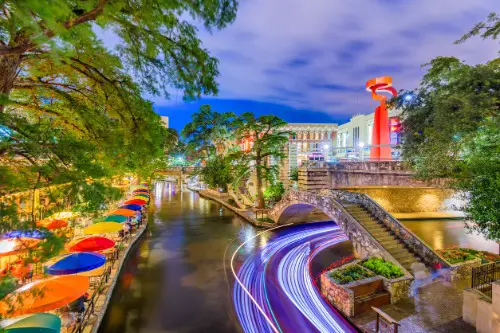
San Antonio has long been one of the fastest-growing large cities in Texas, fueled by affordability and military employment. Recently, it has seen increased domestic out-migration even as total population growth remains modest. Wages have struggled to keep up with rising housing and utility costs. Extreme heat and limited public transit also factor into relocation decisions.
San Antonio appeals to families looking for space, but economic mobility can feel limited. Younger professionals often leave for Austin, Dallas, or out of state. Long commutes and aging infrastructure add to daily stress. For some residents, the city feels stable but stagnant.
8. Dallas, Texas
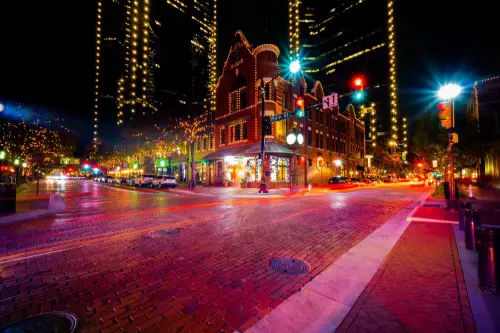
Dallas continues to attract businesses and corporate relocations at a rapid pace. At the same time, it has experienced net domestic out-migration in recent years. Housing costs rose quickly, especially in desirable neighborhoods close to job centers. Traffic congestion, long commutes, and sprawling development have dampened enthusiasm.
Many people moved to Dallas for career growth, not lifestyle. Once job situations change, the city’s appeal can fade fast. Families often relocate to smaller Texas metros or cheaper states after building savings. Dallas grows through churn as much as attraction.
9. Houston, Texas
Houston remains one of the nation’s fastest-growing metros by sheer population numbers. However, it has also recorded domestic out-migration, offset by international immigration. Flooding risks, rising insurance costs, and extreme heat weigh heavily on residents. Housing affordability has narrowed, particularly in flood-safe areas.
The city offers strong job opportunities, but daily life can be exhausting. Long drives, limited zoning, and climate risks make some residents uneasy about staying long term. Others leave after major weather events or job transitions. Houston’s growth masks a steady outflow of Americans.
10. Tampa, Florida
Tampa grew rapidly as people flocked to Florida for warm weather and no state income tax. Recently, it has seen a rise in domestic out-migration despite continued popularity. Home insurance premiums and property taxes have surged alongside housing prices. Hurricane risk and climate concerns have become more personal for residents.
The cost of living caught many newcomers by surprise. Salaries in local industries haven’t kept pace with housing inflation. Some residents leave after realizing Florida’s financial risks extend beyond rent or mortgages. Tampa remains desirable, but not universally sustainable.
11. Orlando, Florida
Orlando experienced fast growth driven by tourism, construction, and population inflows from other states. Lately, it has seen more Americans moving out than in. Housing costs climbed rapidly, while wages in hospitality-heavy sectors lagged behind. Insurance costs and climate risks also factor into relocation choices.
Orlando works well for certain lifestyles, but not everyone thrives there long term. Many residents move in for opportunity and leave for stability. Families often struggle with affordability once initial savings are gone. The city’s churn rate remains high.
12. Atlanta, Georgia
Atlanta grew quickly as a hub for corporate offices, film production, and logistics. In recent years, it has experienced net domestic out-migration despite strong overall population numbers. Traffic congestion, rising housing costs, and long commute times frustrate residents. Infrastructure improvements haven’t fully matched the pace of growth.
Atlanta offers opportunity, but it demands patience. Many residents leave for suburbs or smaller southern cities after a few years. The city gains newcomers while quietly losing established households. Growth and abandonment are happening at the same time.
13. Raleigh, North Carolina
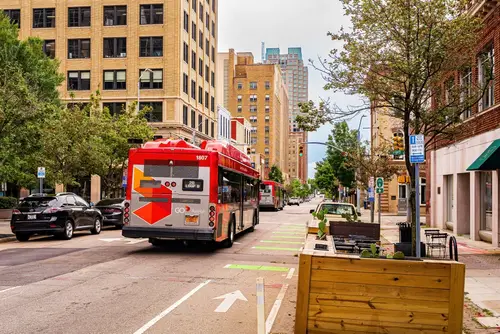
Raleigh was one of the fastest-growing cities in the Southeast, driven by tech and research jobs. Recently, it has seen domestic out-migration as housing costs rose sharply. Remote workers who arrived during the pandemic found prices escalating faster than expected. Limited nightlife and cultural amenities also influence decisions to leave.
Raleigh excels as a career starter city, but not everyone stays. Some residents move on once job flexibility increases. Others seek larger metros or cheaper regions after buying proves difficult. The city continues to grow, but loyalty isn’t guaranteed.
14. Charlotte, North Carolina
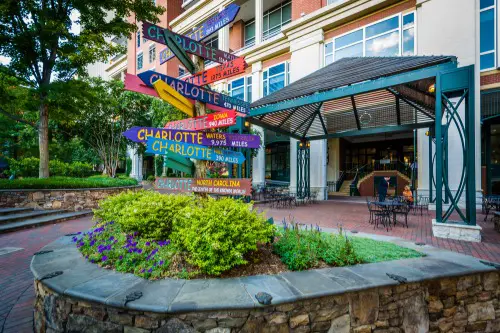
Charlotte has grown rapidly as a banking and finance hub, drawing transplants from across the Northeast and Midwest. Despite that growth, recent estimates show more Americans moving out than in on a domestic basis. Housing costs rose quickly, especially in neighborhoods close to job centers. Traffic congestion and car-dependent sprawl have also chipped away at the city’s appeal.
Many newcomers arrived expecting a lower-cost alternative to larger East Coast metros. Instead, they found rising rents, longer commutes, and limited public transit options. Once career momentum slows, some residents reassess whether Charlotte still makes sense. The city keeps growing, but retention has become a quiet challenge.
15. Jacksonville, Florida
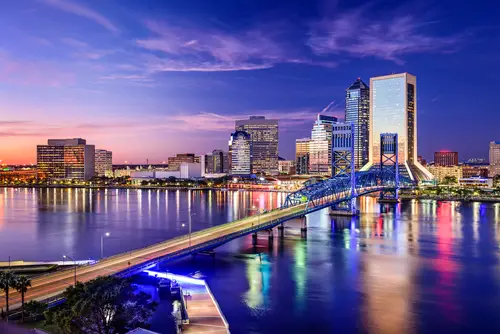
Jacksonville expanded fast as people sought Florida’s tax advantages and relatively cheap housing. Lately, it has experienced domestic out-migration even as overall population numbers climb. Insurance premiums, property taxes, and housing costs increased faster than many residents expected. Flood risk and climate concerns have also become harder to ignore.
Jacksonville offers space and jobs, but daily life can feel fragmented. Long drives and limited urban amenities frustrate residents who moved from denser cities. Some leave after realizing the savings gap has narrowed significantly. The city attracts newcomers while simultaneously losing established households.
16. Salt Lake City, Utah
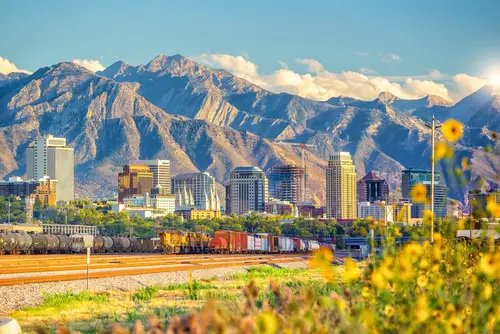
Salt Lake City grew quickly thanks to a strong job market and outdoor lifestyle branding. In recent years, it has seen more Americans leaving than arriving domestically. Housing prices surged well beyond local wage growth. Air quality issues and water concerns have also entered relocation calculations.
The city remains economically strong, but affordability has reshaped who can stay. Younger residents and families often find themselves priced out sooner than expected. Others move once remote work allows more flexibility. Salt Lake City continues to grow, but not everyone benefits equally.
17. Reno, Nevada
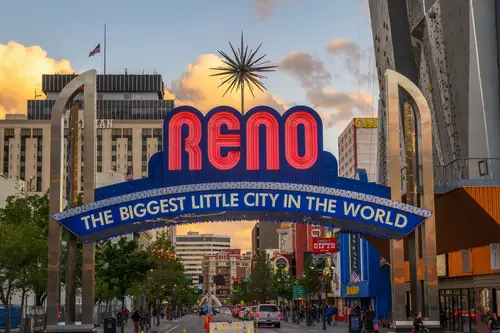
Reno boomed during the pandemic as Californians searched for cheaper housing and lower taxes. Since then, domestic out-migration has picked up as costs rose sharply. Housing prices climbed faster than job opportunities diversified. Wildfire smoke and water scarcity concerns add to uncertainty.
Reno’s appeal was rooted in value, not scale. As prices increased, the trade-offs became more obvious to residents. Limited healthcare access and amenities push some people to leave. Growth brought attention, but it also exposed constraints.
18. Spokane, Washington
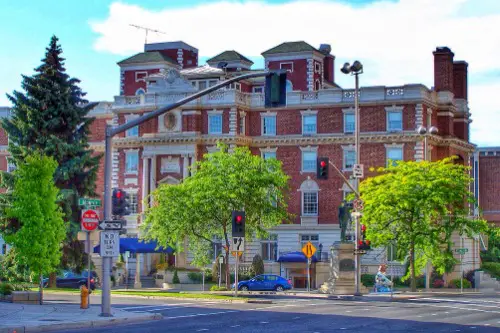
Spokane became one of the fastest-growing smaller cities in the West during the early 2020s. Recently, it has seen Americans moving out as affordability worsened. Home prices rose quickly without matching wage growth. Winters, limited job mobility, and healthcare access influence decisions to relocate.
Many residents arrived for a slower pace and lower costs. When those advantages faded, the city’s isolation felt more pronounced. Younger professionals often move on after a few years. Spokane still attracts newcomers, but turnover remains high.
19. Tucson, Arizona
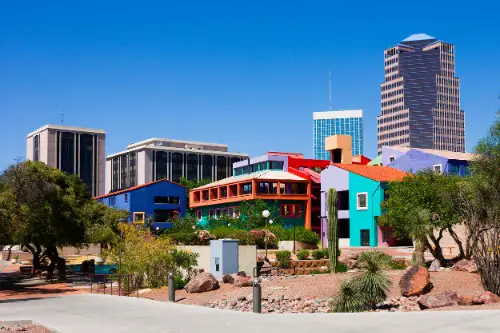
Tucson experienced renewed growth as retirees and remote workers looked beyond Phoenix. Despite that, it has recorded domestic out-migration in recent estimates. Housing costs increased while wages remained relatively low. Extreme heat and water concerns mirror issues seen elsewhere in Arizona.
Tucson appeals to a specific lifestyle, but it’s not universally sustainable. Job opportunities outside a few sectors are limited. Some residents leave after realizing long-term earning potential is constrained. Growth continues, but permanence is less certain.
20. Scottsdale, Arizona
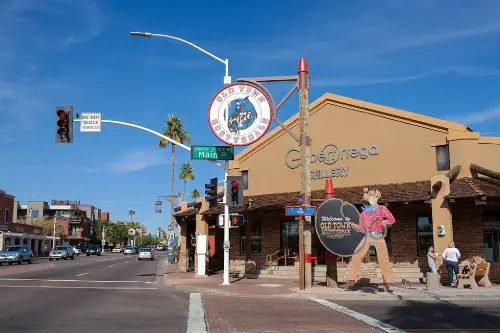
Scottsdale grew quickly as an upscale alternative within the Phoenix metro. Recently, it has seen more Americans leaving than arriving domestically. Home prices and property taxes climbed sharply, narrowing its luxury appeal. Heat extremes and water uncertainty affect even high-income households.
Many residents came for lifestyle and status. As costs rose, the value equation shifted. Some sell and relocate to cooler or more affordable markets. Scottsdale still attracts wealth, but it also quietly sheds residents.
21. Frisco, Texas
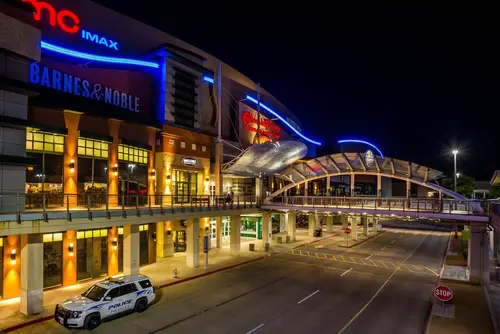
Frisco expanded at breakneck speed as part of the Dallas–Fort Worth boom. Lately, it has experienced domestic out-migration despite continued development. Housing prices jumped, especially for single-family homes. Traffic congestion and infrastructure strain followed rapid growth.
Frisco works well for certain family stages, but not forever. As kids grow or jobs change, some residents look elsewhere. The city’s appeal is tightly tied to suburban value. When that erodes, mobility increases.
22. McKinney, Texas
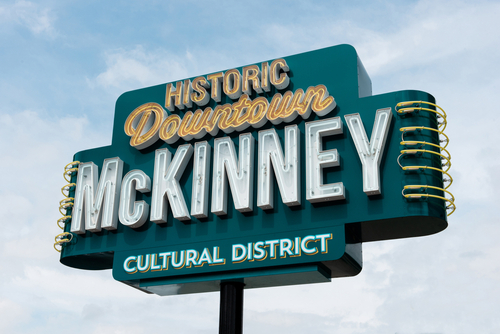
McKinney grew rapidly as a more affordable DFW suburb. In recent years, domestic out-migration has increased. Rising property taxes and home prices reduced its cost advantage. Longer commutes and summer heat also play a role.
Many households moved to McKinney for space and savings. As expenses climbed, those benefits diminished. Some residents relocate to smaller metros or other states. Growth continues, but loyalty weakens over time.
23. New Braunfels, Texas
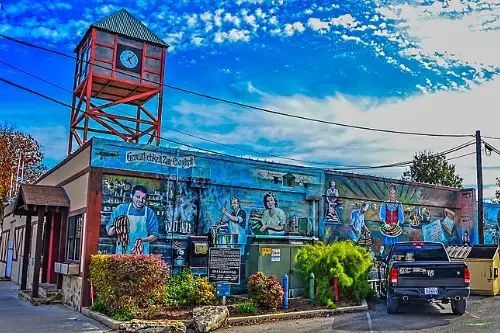
New Braunfels became one of the fastest-growing small cities in the country, fueled by Austin and San Antonio spillover. Recently, it has seen more Americans moving out than in domestically. Housing prices surged while local wages stayed modest. Infrastructure struggled to keep up with population growth.
The city’s charm draws newcomers quickly. Staying long term proves harder once costs rise. Limited job diversity pushes residents to move after a few years. New Braunfels keeps growing, but it doesn’t keep everyone.
This post The Fastest-Growing Cities That Americans Are Already Abandoning was first published on American Charm.

