
1. Calling After a Certain Hour to Avoid Long-Distance Charges
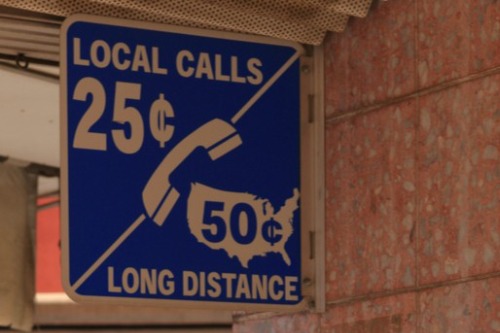
Phone calls weren’t always something you made casually at any time. Long-distance rates were often cheaper in the evenings or on weekends. People planned conversations around those windows to save money. It created a shared understanding of when it was “okay” to call.
Families would sometimes wait until a specific hour to connect with relatives far away. That timing shaped communication habits in a very practical way. Flat-rate mobile plans eventually made that unnecessary. The routine faded as pricing structures changed.
2. Checking the Morning Newspaper on the Porch

For decades, the day started with the sound of a newspaper hitting the front step. People built entire morning routines around reading headlines, weather, and the comics before work or school. The timing mattered because once you left the house, that was your main source of daily information. It set the tone for how people understood the world each morning.
Today, that ritual has mostly faded as print circulation declined and digital news took over. The physical act of unfolding pages and scanning columns is far less common. You still see the occasional paper on a driveway, but it’s no longer universal. The routine survives more as a nostalgic image than a daily habit.
3. Waiting by the Radio for a Favorite Song
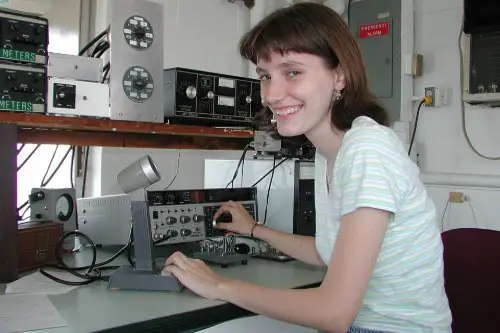
Before streaming, hearing a favorite song often meant waiting patiently for it on the radio. People memorized station schedules and listened closely for DJs announcing upcoming tracks. Timing mattered because you couldn’t replay a song on demand. Some even kept cassette tapes ready to record it live.
That sense of anticipation shaped how people spent downtime. Radios played in kitchens, cars, and bedrooms throughout the day. Now, music is instantly accessible, and that waiting game has largely disappeared. The routine lingers only in the occasional nostalgia for “hearing it when it comes on.”
4. Planning Evenings Around TV Schedules

Television used to run on fixed schedules that dictated when you had to be home. Families planned dinners and errands so they wouldn’t miss a favorite show. Weekly episodes created shared anticipation and conversation the next day. Missing it often meant waiting for a rerun weeks or months later.
Streaming services erased that rigid structure. Entire seasons are now available at once, and viewing is on demand. The idea of everyone watching the same episode at the same time is less common. What was once a built-in weekly rhythm has become entirely flexible.
5. Listening for Factory Whistles or Church Bells

In many towns, daily life was synchronized by sounds like factory whistles or church bells. These signals marked the start of shifts, lunch breaks, or the end of the workday. People didn’t need to check a clock as often because they could hear time passing. Entire communities moved in rhythm with those cues.
As industries closed or automated, those sounds disappeared. Modern life relies more on personal devices than shared signals. The absence is noticeable in places that once depended on them. What was once a public timekeeper is now mostly silent.
6. Walking to a Payphone for Important Calls
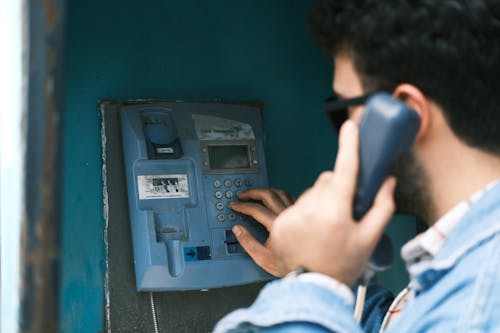
Before cell phones, being out meant being unreachable unless you found a payphone. People carried coins specifically for making calls on the go. You planned check-ins or emergencies around where phones were located. Certain corners, stores, and transit stations became communication hubs.
As mobile phones spread, payphones quickly became obsolete. Many were removed, and the habit of seeking them out disappeared. It’s now unusual to see someone scanning for a public phone. The routine survives mostly in memory and old city infrastructure.
7. Picking Up Film Rolls and Waiting for Development
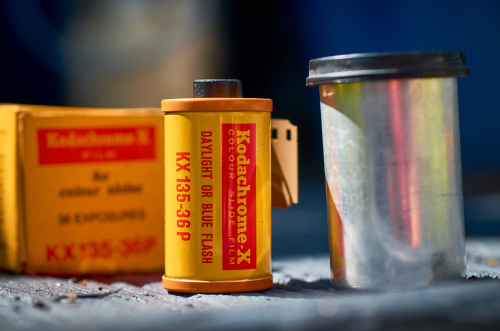
Photography used to involve a built-in delay between taking pictures and seeing them. People dropped off rolls of film at pharmacies or photo shops and returned days later. That waiting period was part of the experience. It also meant being more selective with each shot.
Daily life sometimes revolved around when photos would be ready. Vacations, events, and milestones had a delayed reveal. Digital cameras and smartphones removed that gap entirely. The anticipation that once shaped the routine is largely gone.
8. Stopping by the Bank Before It Closed Early
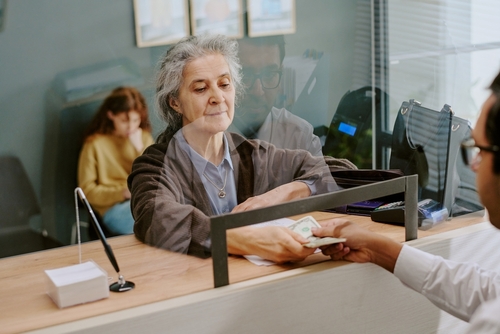
Banks once operated on limited hours, often closing in the early afternoon. People structured errands to fit within that narrow window. Missing it meant waiting until the next business day. Simple tasks like depositing checks required careful timing.
The rise of ATMs and online banking changed everything. Many transactions no longer require a physical visit at all. Extended hours and digital access made the old urgency unnecessary. The routine of rushing to beat closing time has mostly faded.
9. Checking the Mailbox at a Specific Time

Mail delivery used to be predictable enough that people checked their mailbox at roughly the same time each day. Letters, bills, and catalogs were primary forms of communication and information. Receiving mail was often a small daily event. The timing mattered because it was one of the few regular updates from the outside world.
Email and digital billing reduced the volume and urgency of physical mail. Deliveries still happen, but the anticipation is different. Many people now check less frequently or without a set routine. What was once a daily habit has become more occasional.
10. Meeting Friends Without Real-Time Updates

Making plans once required committing to a time and place without constant communication. If someone was late, you simply waited or hoped they’d arrive. There was no easy way to send a quick update while en route. That uncertainty was part of everyday social life.
People built in extra time and backup plans because of that limitation. Public meeting spots became reliable gathering points. Smartphones removed much of that unpredictability. The routine of “just waiting and seeing” has mostly disappeared.
11. Setting an Alarm Clock by Hand Every Night
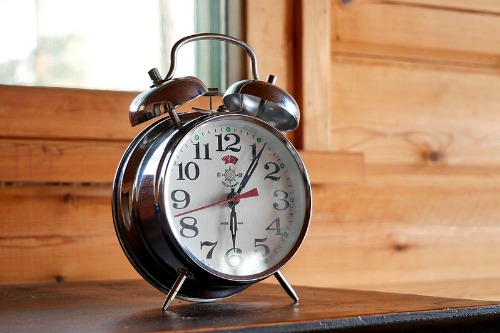
Bedtime routines often included setting a physical alarm clock for the next morning. You adjusted dials or buttons carefully to make sure you’d wake up on time. Oversleeping had real consequences without multiple backups. That small nightly action was part of staying on schedule.
Today, smartphones handle alarms automatically with recurring settings. Many people rarely think about resetting them. The manual step has been quietly removed from daily life. It’s a small but telling example of how routines have simplified.
This post The Faint Traces of Routines People Used to Build Their Days Around was first published on American Charm.

