1. Miami
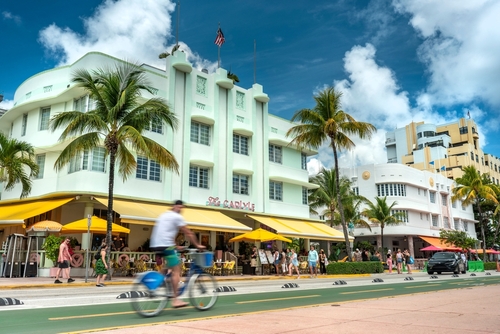
Miami’s rental surge in the early 2020s caught many residents off guard. An influx of remote workers and new businesses drove rents sharply upward across the metro area. One-bedroom apartments frequently land above $2,500 in popular neighborhoods. For locals, it can feel like the city suddenly upgraded everyone to a pricier membership tier.
International buyers and seasonal residents also influence the market. Miami has long attracted investors and part-time residents who purchase condos but rent them out short term. That reduces the supply of long-term rentals in some areas. As demand keeps flowing in, prices rarely stay still for long.
2. New York City
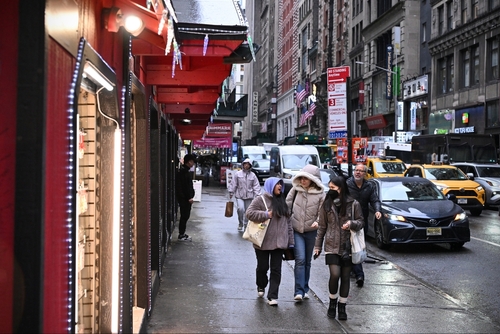
If rent were a streaming service, New York’s would be the ultra-premium tier you never meant to sign up for. Median rents for apartments routinely push well above $3,500, and that’s often for places that require creative furniture placement. Neighborhoods that used to be considered “affordable,” like parts of Queens or upper Manhattan, now come with price tags that rival luxury buildings in other cities. Even longtime New Yorkers sometimes feel like the monthly payment just keeps auto-renewing with no cancel button in sight.
Part of the pressure comes from relentless demand paired with limited housing supply. Millions of people want to live near the city’s jobs, culture, and transit, which keeps the rental market fiercely competitive. Bidding wars for rentals aren’t unusual, especially during peak moving seasons. Add broker fees, deposits, and application costs, and the subscription analogy starts to feel painfully accurate.
3. San Jose
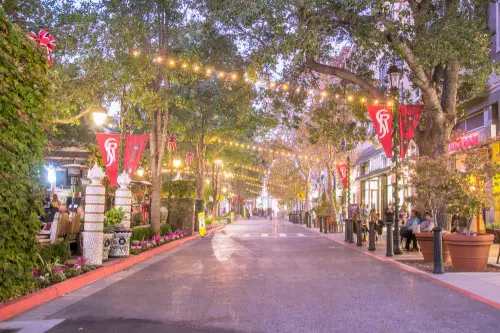
San Jose quietly ranks among the most expensive rental markets in the country. Sitting in the heart of Silicon Valley, it’s surrounded by some of the highest salaries in tech. Median rents for a one-bedroom apartment regularly land in the $2,700–$3,000 range. When your neighbors include engineers from companies like Apple or Google, the price floor rises fast.
Another factor is how many workers want to live close to the tech campuses scattered across the South Bay. Shorter commutes are a luxury people will pay heavily for. New construction has helped somewhat, but demand still outruns supply. That means the rent reminder every month feels less optional and more like a mandatory tech tax.
4. Los Angeles
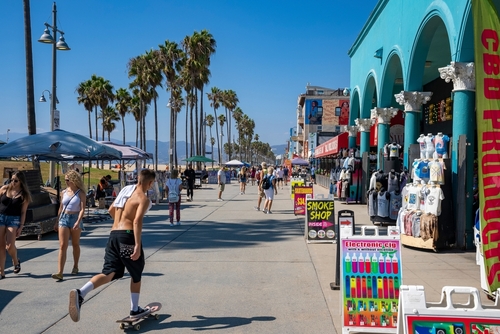
Los Angeles has the unique ability to make a modest apartment feel like a luxury expense. Average rents for one-bedrooms often sit around $2,400 or higher depending on the neighborhood. Areas near the coast or major job hubs can jump well past that. Suddenly, your sunny California lifestyle starts to resemble a recurring charge you didn’t quite budget for.
Sprawl also plays a role in the pricing puzzle. Many people want to live near work to avoid the city’s legendary traffic, which pushes rents up in desirable areas. Hollywood, Santa Monica, and parts of the Westside are particularly pricey. Even inland neighborhoods that used to be more affordable have seen steep increases in recent years.
5. Boston
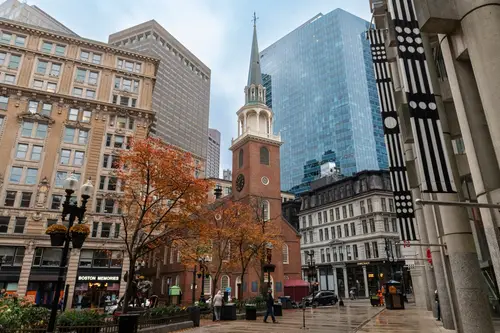
Boston’s rental market is powered by two big forces: universities and high-paying industries. With dozens of colleges in the metro area, the city sees a constant flow of students looking for apartments each year. That demand helps keep rents high, with one-bedrooms frequently landing around $3,000 in central neighborhoods. It’s not uncommon for renters to feel like they’re paying tuition and rent at the same time.
The city’s historic layout also limits how much new housing can be added quickly. Many neighborhoods feature older buildings that are charming but small in supply. Meanwhile, biotech and finance jobs bring in well-paid professionals who can afford higher rents. The result is a market that rarely gives renters a break.
6. San Diego
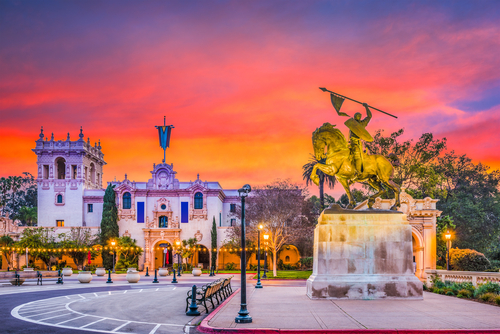
San Diego’s coastal beauty comes with a serious monthly bill. One-bedroom rents often sit around $2,500 or more depending on proximity to the beach or downtown. Sunshine, surf, and year-round mild weather make the city incredibly attractive to newcomers. That popularity keeps the rental meter running high.
Military presence also contributes to the steady demand. Large bases and defense contractors bring a constant influx of residents looking for housing. Combine that with limited coastal land for development, and prices climb quickly. Even longtime locals sometimes feel like they’re renting their own hometown on a subscription plan.
7. Seattle
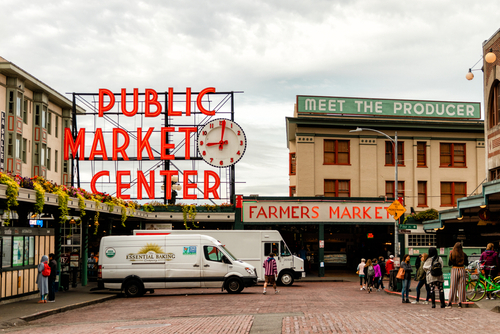
Seattle’s transformation into a tech powerhouse dramatically reshaped its rental market. Companies like Amazon and Microsoft have brought tens of thousands of high-paying jobs to the region. That growth pushed average one-bedroom rents well into the $2,000+ range in many neighborhoods. For renters, the city’s booming economy can feel like a double-edged sword.
Rapid population growth has outpaced housing construction in certain areas. Neighborhoods close to downtown or major tech offices see the biggest price pressure. Even with a wave of new apartment buildings, demand remains strong. The result is a market where rent increases have become almost routine.
8. San Francisco
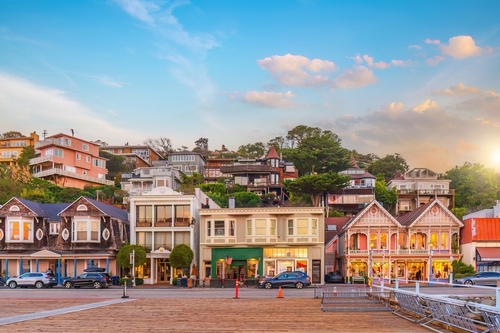
San Francisco has spent more than a decade near the top of America’s rent leaderboard. Even after some pandemic-era dips, typical one-bedroom rents still hover around the $3,000 range in many neighborhoods. The city’s tech economy brings in high earners who can compete aggressively for limited apartments. For everyone else, it can feel like the rent keeps charging your card long after your paycheck clears.
Geography doesn’t help much either. San Francisco sits on a small peninsula, so there’s only so much room to build, and housing approvals can take years. Combine that with strict zoning and strong neighborhood opposition to development, and supply grows slowly. The result is a market where even older units command premium prices.
9. Washington
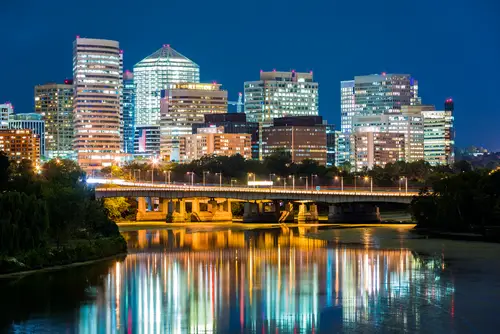
Washington, D.C. blends government power with a very competitive housing market. The city’s large base of federal employees, contractors, and lobbyists creates steady demand for apartments. One-bedroom rents in many central neighborhoods commonly exceed $2,400. Living close to the Capitol comes with a price tag that renews every month.
The metro area also attracts young professionals who want to be near politics, law, or international organizations. Neighborhoods like Logan Circle, Navy Yard, and Dupont Circle have seen major development and rising rents. Even with new buildings going up, demand stays strong. That makes the rental market feel like a subscription tied to the nation’s capital.
10. Honolulu
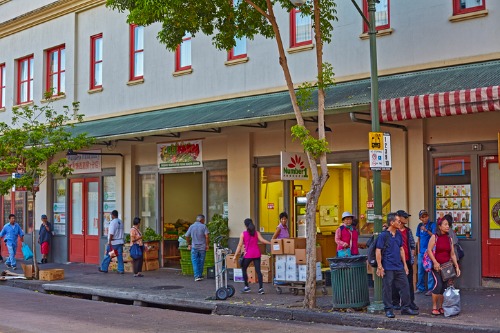
Honolulu’s housing costs are shaped heavily by geography. Living on an island means limited land and expensive construction costs. One-bedroom apartments often rent for around $2,000–$2,500 or more depending on location. When nearly everyone wants an ocean view, prices naturally climb.
Tourism and military presence also influence the market. Short-term rentals and vacation properties compete with long-term housing supply. Meanwhile, military personnel stationed on Oahu create consistent demand for rentals. The result is a tight market where rent rarely drops for long.
11. Austin
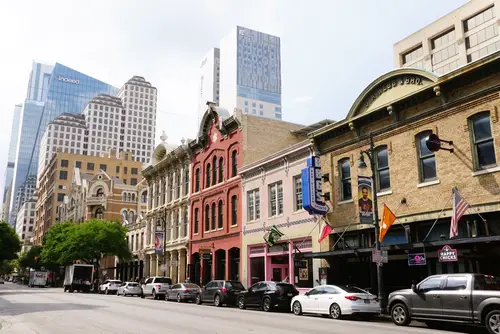
Austin’s rental prices climbed rapidly during its tech-fueled boom. Companies relocating or expanding in the city brought thousands of workers looking for housing. At one point in the early 2020s, rents jumped faster here than in almost any major U.S. city. Even after some stabilization, one-bedrooms often hover around the $1,700–$2,000 range.
The city’s popularity plays a huge role in that pressure. Austin draws people with its music scene, food culture, and relatively young population. New apartment construction has been aggressive, but demand has stayed strong. For many renters, the monthly payment still feels like the cost of admission to one of America’s hottest cities.
12. Denver
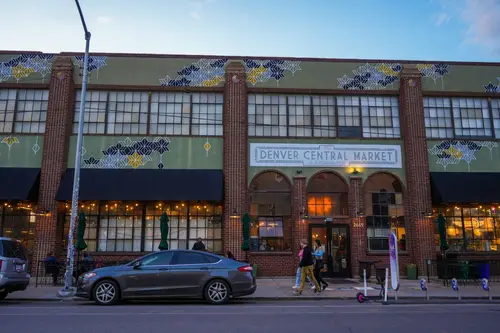
Denver’s growth over the past decade reshaped its rental landscape. The city attracted waves of newcomers drawn by outdoor lifestyle, job growth, and a strong economy. As the population surged, average rents for one-bedrooms climbed to roughly $1,800–$2,000 in many areas. That steady climb made rent feel less like a bill and more like a permanent membership.
Limited housing supply during peak growth years pushed prices upward quickly. Popular neighborhoods near downtown or the mountains command particularly high rents. Even with new developments appearing across the metro area, demand hasn’t slowed much. The result is a market where renters keep paying to stay in Colorado’s capital.
This post The Cities Where Rent Feels Like a Subscription You Can’t Cancel was first published on American Charm.