
1. Albuquerque, New Mexico

Albuquerque often gets touted as an affordable Southwestern hub with great culture and scenery. But when you actually start digging into housing costs and utilities, the lower prices aren’t as widespread as the ads make them seem. Rent has climbed steadily, especially for desirable neighborhoods close to downtown or near the university. What looks affordable on paper can very quickly feel expensive once you factor in commuting and limited rental inventory.
The job market here hasn’t expanded at the same pace as rents, which means workers often feel priced out despite the “low cost of living” headlines. Many residents end up with long drives or multiple part‑time gigs just to make ends meet. Add in higher insurance costs and some of the highest property taxes in the state, and that “cheap city” label starts to blur. It’s still lovely in many ways—but affordable for everyone? Not always.
2. Austin, Texas

Austin has been promoted for years as a relatively affordable Texas alternative with live music and tech jobs. Problem is, that was true mostly a decade ago. With rapid growth, housing prices have exploded, and what used to be “bargain” rents now rival much pricier cities. People who move here expecting cheap living often find themselves in long‑term leases they can’t afford to break.
Traffic and utility costs have also jumped as infrastructure struggles to keep up with demand. Meanwhile, wages in many sectors haven’t kept pace with inflation and rent increases. So while the vibe is unbeatable for some, the finances can feel tight. It’s a classic case of the city’s reputation lagging behind its reality.
3. Boise, Idaho
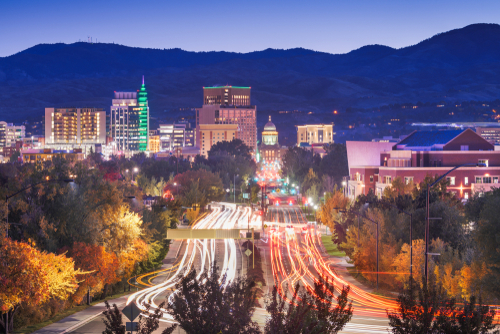
Boise surged into the spotlight as an affordable, outdoor‑centric city that was perfect for newcomers fleeing pricier West Coast markets. Early on, that was true, but the influx of remote workers changed the equation fast. Home prices have soared well beyond what longtime locals might have considered reasonable. Even rentals that look affordable at first glance come with bidding wars and fast turnover.
The so‑called “Boise Bubble” has made the city feel cozy as long as you don’t need to buy or rent near desirable parts of town. Commuters often end up far from work to find anything remotely cheap. People flock here for the scenery but forget to check the housing market’s heat. That aspirational ad copy can blindside newcomers.
4. Charleston, South Carolina
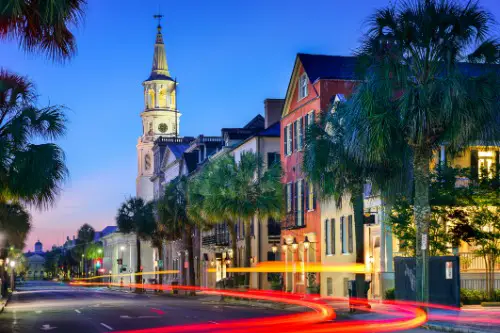
Charleston has all the charm of historic streets, beaches nearby, and Southern cuisine—and that’s exactly why ads make it look affordable to everyone. But appetite for this lifestyle has driven prices up sharply. The tourism economy boosts seasonal jobs but doesn’t always offer the stable, well‑paying employment needed to match housing costs. Rentals downtown can cost as much as similar units in much larger metropolitan areas.
Even utilities and insurance are higher here thanks to climate risk factors and coastal location. People selling the city often point to the quality of life, not the wallet crunch. Those dreaming of a cheap beachside life may need to adjust their expectations once they see the real numbers.
5. Nashville, Tennessee
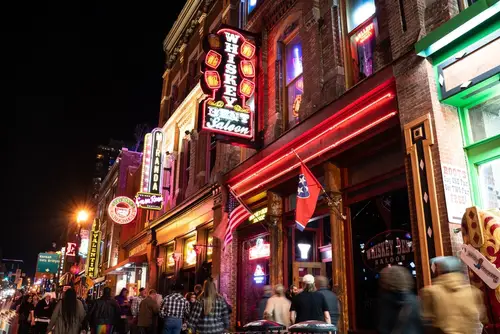
Nashville’s music scene and bragging rights as a Southern cultural icon make it seem like a friendly, affordable place to land. In truth, the same buzz that attracts visitors also attracts transplant residents—and high living costs. Housing stock has struggled to keep pace with demand, meaning rents and home prices jump faster than many salaries. Areas that seem affordable on a map are often far from employment centers, leading to long commutes.
Additionally, local services and taxes have climbed to support growth, which chips away at disposable income. Folks who buy into the affordable dream find their budgets shrinking instead. It’s still buzzing and exciting, but for many, it’s pricier than the ads make it look.
6. Phoenix, Arizona
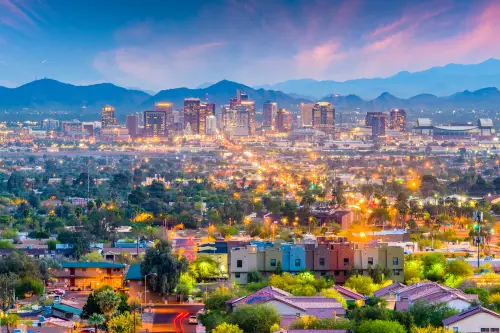
Phoenix is frequently featured as a friendly alternative to California prices, and that messaging has worked well to draw people in. But the reality is more complicated: rapid population growth has pushed up both rent and home prices significantly. Some neighborhoods still have lower median rents, but they often lack amenities or are located far from job centers. Commuting costs can erase any perceived savings quickly.
The desert climate also means higher utility bills in summer months, which doesn’t always show up in “cost of living” comparisons. Entry‑level salaries in many sectors aren’t adjusting at the same pace as expenses. So “affordable Phoenix” is often true only in very specific circumstances.
7. Sacramento, California
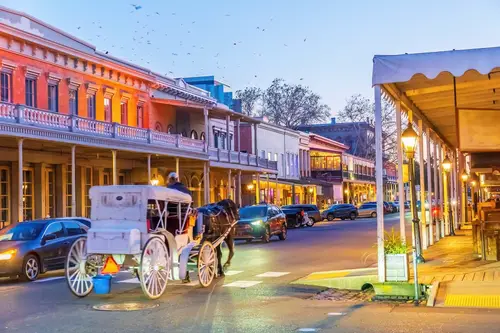
Sacramento gets touted as California’s affordable capital—and compared to San Francisco or Los Angeles, it is. But that’s a pretty low bar. Within the state context, recent price growth has made housing costs here decidedly steep. What once was a refuge for Bay Area escapees is now full of pricey neighborhoods and competitive rental markets.
Daily expenses like groceries, gas, and insurance also lean toward the higher end because it’s California, no matter how budget‑friendly the ads might imply. Sacramento’s growth hasn’t matched job diversity outside government and healthcare, leaving some groups stuck with high bills and less income growth. So while it’s cheaper than its mega‑city neighbors, “affordable” is relative.
8. Denver, Colorado
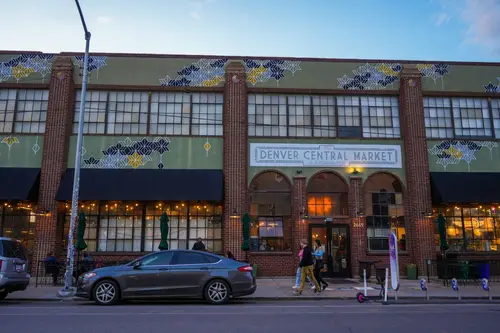
Denver’s fresh air and outdoor appeal make it a perennial go‑to in promotional material for affordable mountain‑adjacent living. But limited land for development and strong demand have steepened home and rental prices over time. Areas that seem like deals on paper are often dozens of minutes from jobs, inflating commuting costs. And the jobs that do pay well are frequently in tech or engineering—fields that newcomers might not be in.
Seasonal cost spikes, especially for tourism and services, mean locals can struggle when demand surges. Utilities and insurance costs also trend above the national average. So Denver’s “affordable” reputation often depends on where you live and what you do—not the universally cheap haven ads might suggest.
9. Raleigh, North Carolina
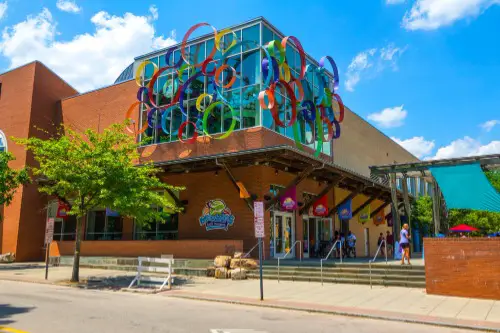
Raleigh is part of the growing Research Triangle, which makes it appealing for job seekers and marketers alike. That growth has also made it pricier than many expect, because supply can’t keep up with demand. Housing developments sell quickly, and rental competition pushes prices up in neighborhoods that once were considered budget‑friendly. People chasing affordability sometimes end up farther out, with long, costly commutes.
Utilities and transportation costs in the region also run higher than some national averages, which chips away at any perceived savings. Advertisements rarely highlight those trade‑offs. So while it’s an attractive and dynamic city, the “budget‑friendly” label oversimplifies the story.
10. Minneapolis–Saint Paul, Minnesota

The Twin Cities are often marketed for balanced urban living, green spaces, and comparatively low Midwest costs. But the nuances reveal a different reality for many residents. Certain pockets are indeed more affordable, yet the most desirable areas (close to lakes, downtown jobs, or transit) come with costs that rival much larger cities. Winters here aren’t cheap either, with heating bills and vehicle maintenance adding up quickly.
And while culture and community are strong, wages in some service industries don’t match the rising costs of rent or homeownership. The ad copy doesn’t usually spell that out. So calling Minneapolis–Saint Paul broadly affordable misses a lot of real‑world financial stress for locals.
11. Tampa, Florida
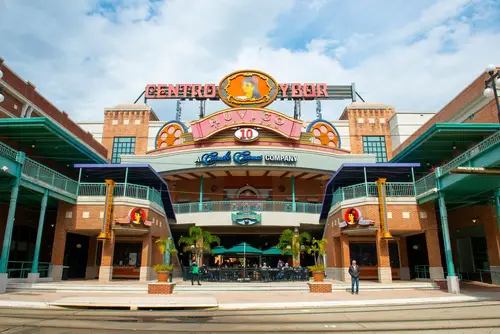
Tampa’s sunny beaches and lack of state income tax make it look like a real deal at first glance. But the influx of new residents has pushed housing costs up sharply in recent years. What used to be “affordable Florida” has become competitive with many East Coast metros. Rental demand is high, and homes in safe, centrally located neighborhoods often go for prices that don’t feel cheap at all.
Daily costs like car insurance, flood insurance, and coastal property premiums add extra weight to the monthly budget. Tourism‑driven seasonal demand also affects prices for basic goods and services. So while Tampa delivers lifestyle perks, the “affordable paradise” pitch glosses over financial realities.
This post The Cities That Only Look Affordable in Ads was first published on American Charm.

