
1. New York City, New York
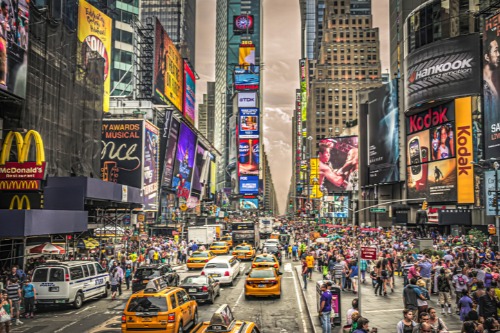
New York projects success through finance, culture, and sheer global influence. The reality is that even solid middle-class earners often live paycheck to paycheck. Rent consumes a massive share of income unless you accept long commutes or cramped living conditions. The competition for everything from apartments to doctor appointments can feel relentless.
Daily life requires stamina. Crowds, noise, and constant stimulation wear people down over time. Basic errands take more effort than expected, especially with aging infrastructure. Many residents thrive on the energy, but just as many quietly feel exhausted by it.
2. San Francisco, California

From the outside, San Francisco looks like a nonstop parade of innovation, waterfront views, and high-paying jobs. Once you live there, the gap between salaries and housing costs becomes impossible to ignore, even for people in tech. Rent control helps some longtime residents, but newcomers often face bidding wars for aging apartments. The result is a city where financial stress undercuts the postcard beauty.
Daily life can also feel surprisingly constrained. Public transit coverage is uneven, and commuting across the Bay regularly turns into a time sink. Basic services like childcare and parking are scarce and expensive. Many residents love the culture but quietly plan their exit once burnout sets in.
3. Los Angeles, California
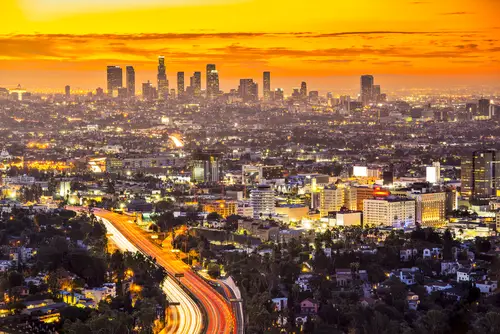
Los Angeles sells itself as sunshine, creativity, and endless opportunity. Living there often means spending hours a day in traffic just to maintain a basic routine. Housing costs are high across most neighborhoods, not just the glamorous ones. The sprawl makes it hard to feel connected unless your work and social life align perfectly.
The city’s infrastructure struggles to keep up with its size. Public transportation exists but is impractical for many jobs and commutes. Water shortages and wildfire risks add a layer of anxiety to everyday life. For many residents, the dream slowly turns into logistical fatigue.
4. Seattle, Washington
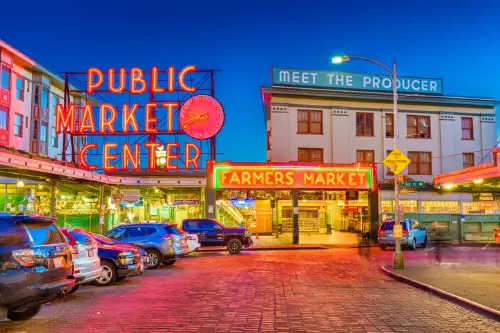
Seattle looks like a balanced blend of tech wealth, nature, and progressive values. Living there reveals how sharply housing prices have risen relative to local wages outside tech. Neighborhoods that once felt accessible now feel financially gated. The cost of basics like groceries and childcare surprises many newcomers.
The climate also plays a role in daily satisfaction. Long stretches of gray weather affect mood more than people anticipate. Traffic congestion has increased faster than transit solutions. For some residents, the city’s calm exterior hides a creeping sense of isolation.
5. Washington, D.C.
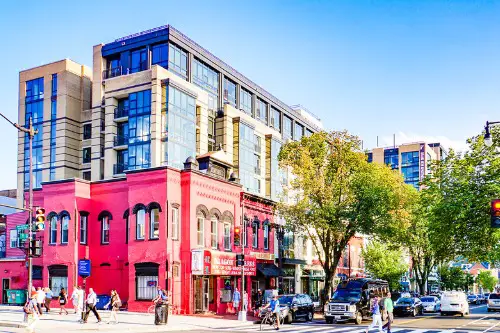
Washington, D.C. appears polished, powerful, and professionally rewarding. In practice, the city revolves heavily around politics and status, which can feel limiting if you are outside those circles. Housing costs are high even in less central neighborhoods. Many people stay only as long as their career requires it.
The transient population shapes daily life. Friendships often feel temporary as people cycle in and out with administrations and contracts. Commutes can be deceptively long despite the city’s compact layout. The city works well for ambition, but less well for long-term rootedness.
6. Boston, Massachusetts
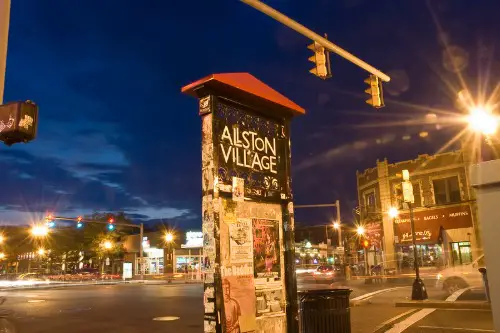
Boston presents itself as historic, intellectual, and economically stable. Living there often means paying premium prices for small, outdated apartments. The housing market is tight due to limited new construction and heavy student demand. Even professionals with good jobs can feel financially stretched.
The city’s layout adds friction to everyday life. Roads are confusing, traffic is persistent, and parking is scarce. Winters are long and physically demanding. Boston rewards persistence, but it rarely feels easy to live in.
7. Austin, Texas
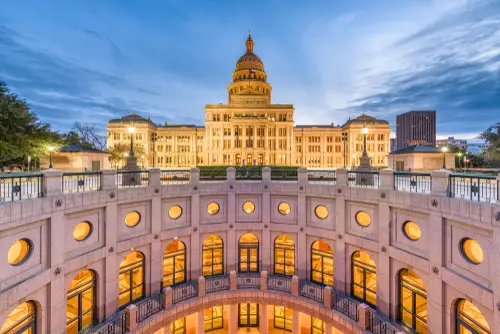
Austin has a reputation for creativity, tech growth, and quality of life. Rapid population growth has driven up housing costs faster than wages for many residents. Infrastructure has struggled to keep pace with expansion. Longtime locals often feel priced out of their own city.
The heat also shapes daily routines more than expected. Summers are long and intense, limiting outdoor activity for months. Traffic congestion has increased significantly in recent years. What once felt quirky and manageable now feels increasingly strained.
8. Denver, Colorado
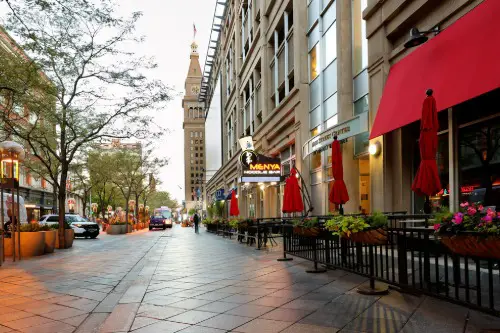
Denver markets itself as a healthy, outdoorsy city with economic opportunity. The cost of living has risen sharply as more people relocate for lifestyle reasons. Housing prices are high relative to local salaries in many industries. Access to nature does not always translate to affordable living.
Traffic and sprawl complicate daily life. Popular outdoor areas are crowded, especially on weekends. Air quality issues from wildfires and pollution affect the region more frequently. The lifestyle looks ideal, but maintaining it can be exhausting.
9. Miami, Florida
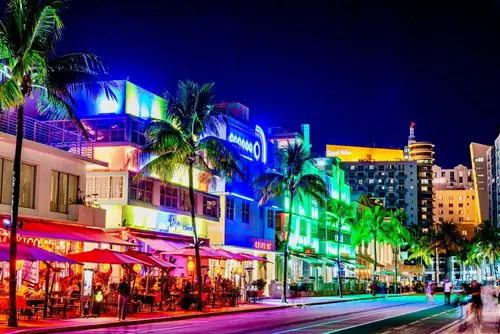
Miami looks glamorous, energetic, and financially booming. Many residents discover that wages lag far behind housing costs. The city’s economy relies heavily on tourism, real estate, and service work. That imbalance creates instability for long-term residents.
Climate realities add pressure. Flooding and hurricane risks are part of regular life. Insurance costs are high and rising. Living in Miami requires constant adaptation beneath the glossy surface.
10. San Diego, California
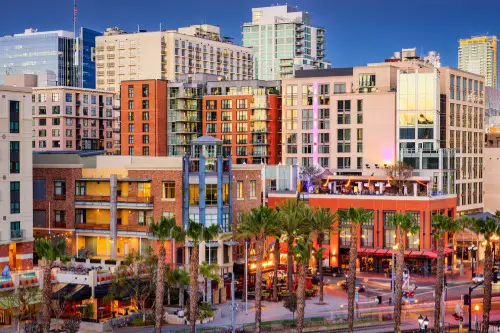
San Diego appears to offer perfect weather and coastal calm. Housing costs rival larger cities without offering the same salary scale. Many residents live far from work to find affordable rent. The laid-back image masks serious financial stress.
Job opportunities are concentrated in a few industries. Public transportation is limited for a city of its size. Traffic along major corridors is persistent. The lifestyle is appealing, but maintaining it requires trade-offs.
11. Chicago, Illinois
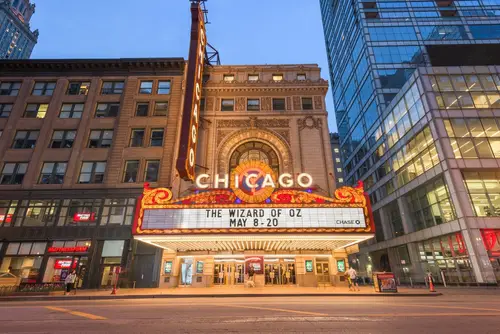
Chicago projects strength through architecture, culture, and economic diversity. While more affordable than coastal cities, certain costs still catch residents off guard. Property taxes are high and unpredictable. Winters add a physical and financial burden to daily life.
Segregation and inequality shape the city in visible ways. Neighborhoods can feel disconnected from one another. Commuting long distances is common. Chicago offers opportunity, but navigating it requires resilience.
12. Nashville, Tennessee
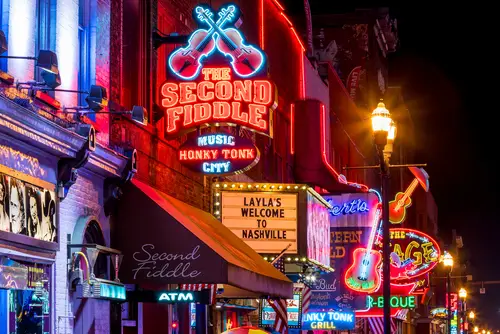
Nashville has grown into a symbol of cultural and economic momentum. Rapid growth has pushed housing prices beyond what many local jobs support. Infrastructure development has lagged behind population increases. Longtime residents often feel squeezed out.
Tourism dominates parts of the city. Noise and congestion affect daily routines. Public transit options are limited. The city feels exciting, but not always livable.
13. Portland, Oregon
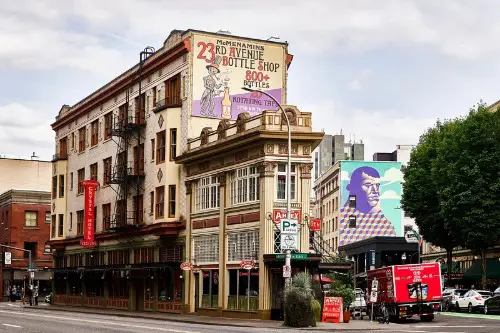
Portland looks successful through its creativity and progressive reputation. Housing affordability has worsened significantly over the past decade. Wages have not kept pace with rising costs. Many residents feel financially stuck despite full-time work.
The city also struggles with visible social challenges. Homelessness and public safety concerns affect daily comfort. Infrastructure maintenance has been inconsistent. Portland’s ideals remain strong, but living there feels harder than it used to.
14. Atlanta, Georgia
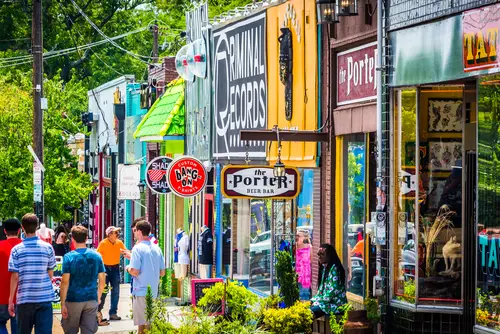
Atlanta presents itself as a booming Southern hub with opportunity. Sprawl makes car ownership nearly mandatory. Traffic congestion is among the worst in the country. Housing prices have risen sharply in desirable areas.
Public transportation coverage is limited outside the core. Inequality is visible across neighborhoods. Commutes eat into personal time. Atlanta succeeds economically, but daily life requires patience.
15. Phoenix, Arizona
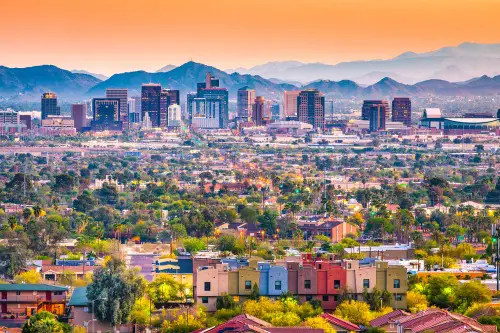
Phoenix looks like a fast-growing city full of opportunity. Extreme heat defines daily life for much of the year. Cooling costs are high and unavoidable. Outdoor activity becomes limited for long stretches.
Urban sprawl increases commute times. Water scarcity is an ongoing concern. Public transit is limited compared to city size. The growth is real, but so are the trade-offs.
16. Las Vegas, Nevada
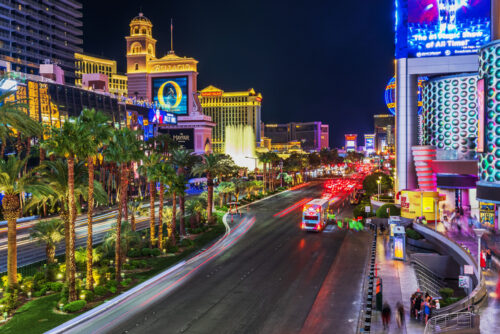
Las Vegas appears prosperous due to tourism and development. Many residents work in volatile service industries. Job security can fluctuate with the economy. Wages often do not match rising housing costs.
The desert environment adds challenges. Summer heat is intense and prolonged. The city’s infrastructure prioritizes visitors over residents. Living there feels very different from visiting.
This post The 16 Cities That Look Successful Until You Try Living There was first published on American Charm.

