
1. Los Angeles
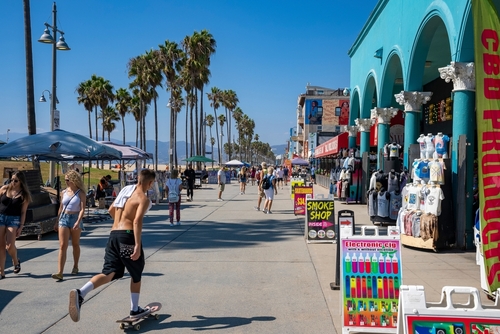
Ads sell Los Angeles as endless sunshine, palm trees, and creative freedom. That part is real, especially on a perfect coastal afternoon. What they skip is how much of your life happens in traffic, even for short distances. Commutes of an hour or more are common, and they quietly shape daily routines.
Rent and home prices routinely outpace wages, even for well-paid professionals. Many neighborhoods that look glamorous on screen are financially out of reach in real life. Air quality varies by area and season, which surprises newcomers expecting constant beach breezes. Loving LA often means accepting trade-offs that never make it into a car commercial.
2. San Francisco
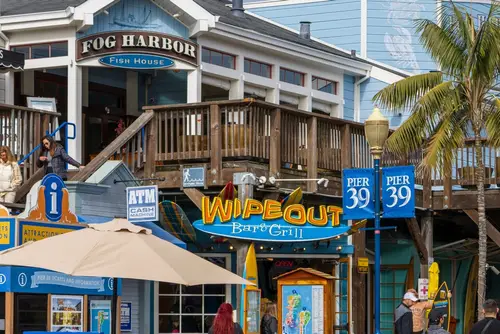
San Francisco ads highlight pastel houses, cable cars, and tech-fueled optimism. The city really is beautiful, especially when the fog lifts just right. Living there means navigating some of the highest housing costs in the country. Even modest apartments can command prices that feel disconnected from reality.
Daily life also includes visible homelessness in many central neighborhoods. Public transit works well in parts of the city but feels limited compared to the rent you pay. The weather is cooler and windier than many newcomers expect, even in summer. The charm is real, but so are the compromises.
3. New York City
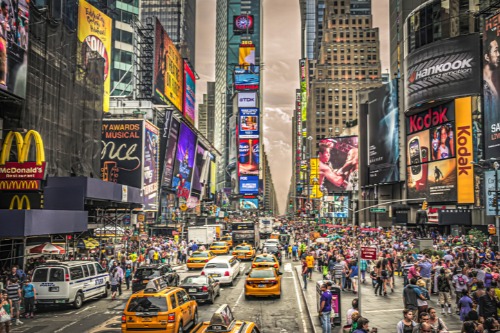
New York looks unbeatable in ads, with skyline shots and late-night energy. The cultural density and career access are genuinely world-class. What’s missing is how physically small most living spaces are. Tiny apartments and shared walls are the norm, not a temporary phase.
Everyday expenses add up quickly, from groceries to transit to basic services. Noise is constant in many neighborhoods, even late at night. Simple errands often require planning and patience. Loving New York usually means deciding the intensity is worth the cost.
4. Miami
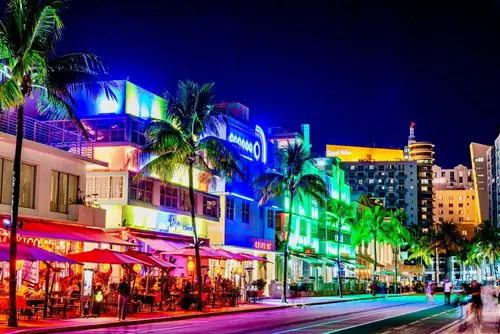
Miami commercials promise turquoise water, nightlife, and year-round glamour. The beaches and food scene absolutely deliver on that image. Day-to-day life, however, is shaped by intense heat and humidity for much of the year. Summer afternoons can feel oppressive rather than carefree.
Flooding during heavy rain is a growing concern in some neighborhoods. Home and car insurance costs have risen sharply, especially near the coast. Traffic is heavier than visitors expect, even outside peak tourist seasons. Living in Miami requires adapting to climate realities that ads rarely mention.
5. Austin
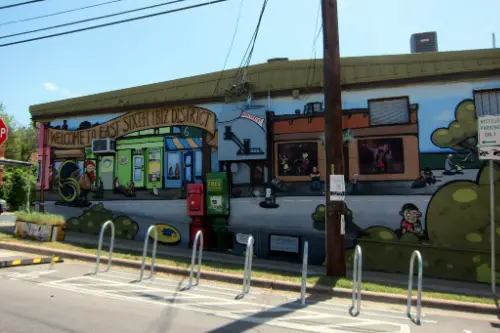
Austin still markets itself as quirky, creative, and effortlessly cool. The music, food trucks, and outdoor spaces are real draws. Rapid growth has strained roads, housing, and public services. Longtime residents often point out that the city feels more crowded every year.
Housing costs have risen quickly compared to local wages. Traffic congestion has become a daily frustration rather than an occasional one. Seasonal allergies, especially cedar pollen, catch many newcomers off guard. Austin can still be fun, but it no longer feels easy.
6. Seattle
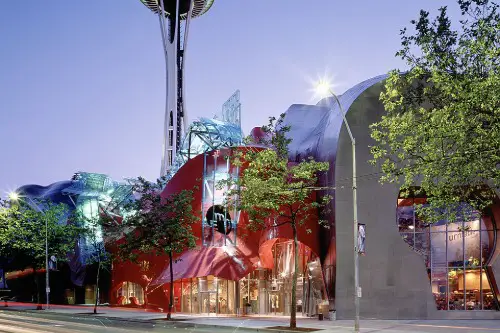
Seattle ads lean into coffee shops, water views, and tech-driven prosperity. The natural scenery really is stunning on clear days. What’s harder to sell is the long stretch of gray skies each year. Winters are dark, damp, and mentally challenging for some residents.
Housing prices have climbed alongside the tech industry’s growth. Traffic congestion is persistent, despite public transit investments. Social circles can feel hard to break into, a phenomenon locals openly joke about. Loving Seattle often means loving it quietly.
7. Denver
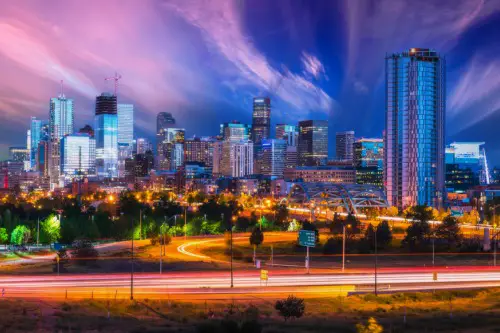
Denver is marketed as a sunshine-filled gateway to the mountains. Access to outdoor recreation is a genuine perk. The city’s popularity has driven housing costs up fast. Many people are surprised by how competitive rentals have become.
Weather can shift quickly, with hailstorms and snow even in spring. The altitude affects newcomers more than ads suggest. Traffic along major corridors has worsened with growth. Denver still offers adventure, but it comes with logistical headaches.
8. San Diego
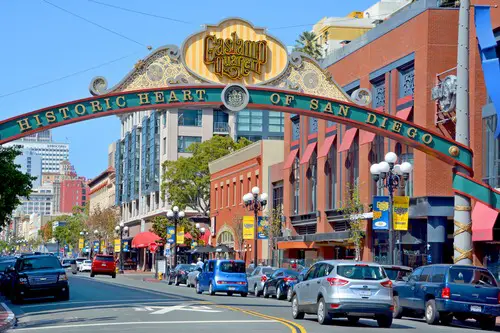
San Diego looks like a permanent vacation in advertisements. The weather is among the most consistent in the country. That perfection comes at a steep price for housing. Even far from the beach, rents remain extremely high.
Wages often don’t match the cost of living. Many residents commute long distances to afford housing. Tourism affects traffic and neighborhood crowding year-round. Living in San Diego is beautiful, but rarely affordable.
9. Las Vegas
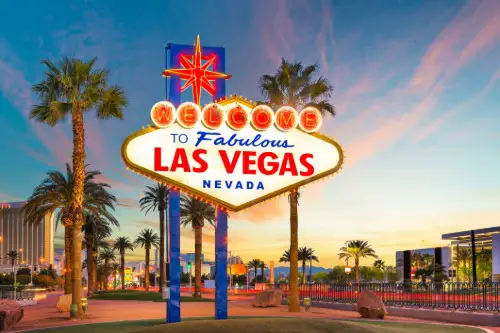
Las Vegas ads focus on nonstop excitement and luxury. Away from the Strip, daily life is much quieter. Summer heat is intense and lasts for months. Temperatures regularly exceed levels that limit outdoor activity.
Water scarcity is an ongoing concern in the region. Many jobs are tied to tourism, which can be economically volatile. Neighborhoods vary widely in quality and services. Living in Las Vegas requires adjusting expectations far beyond the lights.
10. Phoenix
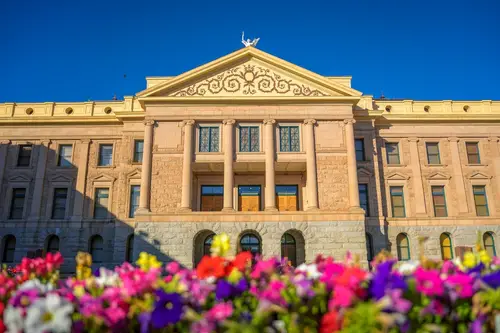
Phoenix is often sold as sunny, spacious, and affordable. The sunshine is constant, and housing once was cheaper. Extreme heat dominates life for several months each year. Running errands in summer can feel physically exhausting.
Urban sprawl means long drives are unavoidable. Public transit options are limited compared to older cities. Rising housing demand has pushed prices higher than many expect. Phoenix works best if you plan your life around the climate.
11. Nashville
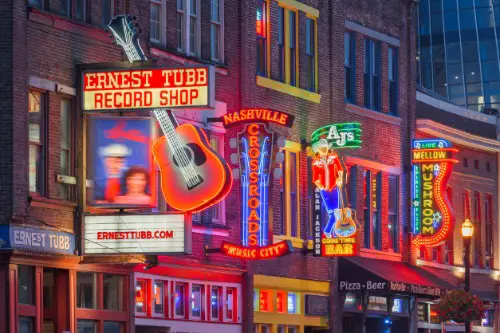
Nashville marketing leans heavily on music, nightlife, and Southern charm. Visitors see a lively downtown and friendly crowds. Living there means dealing with rapid growth and strained infrastructure. Traffic congestion has increased noticeably in recent years.
Housing prices have risen quickly, especially near the urban core. Tourism dominates many central neighborhoods, even on weekdays. Summer humidity can be intense and long-lasting. Nashville is fun, but it’s not as laid-back as it looks.
12. Portland

Portland ads highlight bikes, greenery, and effortless creativity. The food scene and access to nature live up to the hype. The city also struggles with visible homelessness and public safety concerns. These issues are part of everyday life, not just headlines.
Gray, rainy weather lasts for much of the year. Housing costs have climbed faster than wages for many residents. Job opportunities can feel limited outside specific industries. Loving Portland often means embracing its imperfections.
13. Boston
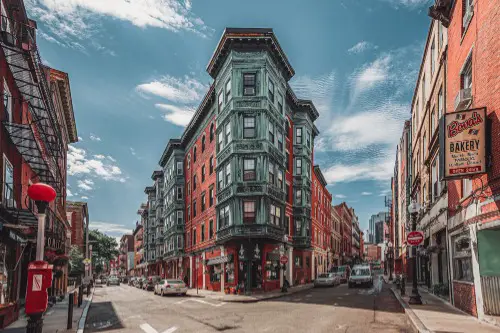
Boston is often portrayed as historic, charming, and intellectually vibrant. The architecture and academic culture are genuine strengths. The cost of living is high, especially relative to apartment size. Older housing stock can mean maintenance issues and limited space.
Traffic congestion is among the worst in the country. Winters are long, cold, and demanding. Social scenes can feel insular to newcomers. Boston rewards commitment, but it tests patience.
14. Honolulu
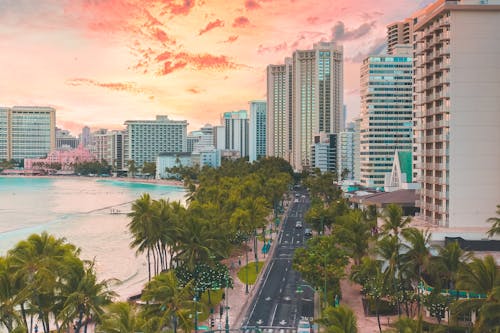
Honolulu is marketed as tropical paradise with city convenience. The beaches and scenery are undeniably stunning. Everyday life is shaped by extremely high costs for housing, groceries, and utilities. Many goods are more expensive due to shipping.
Traffic congestion is heavy despite the city’s size. Job opportunities outside tourism and government are limited. Distance from the mainland can feel isolating over time. Living in Honolulu is beautiful, but rarely carefree.
This post The Cities That Look Perfect in Ads—Until You Actually Live There was first published on American Charm.

