1. Detroit, Michigan
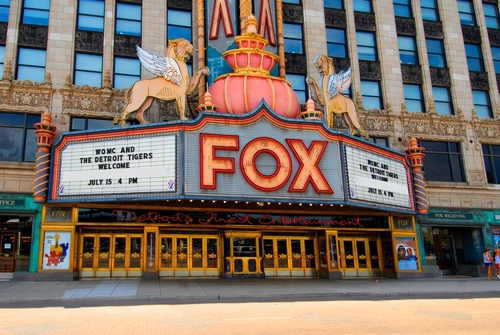
For much of the early 20th century, Detroit looked unstoppable. The city became the beating heart of the American auto industry, home to giants like Ford, General Motors, and Chrysler, and its population soared to nearly 1.85 million by 1950. Many believed it would remain one of the most powerful industrial cities in the world. At the time, few places symbolized American prosperity more clearly.
But deindustrialization, automation, and global competition slowly eroded that dominance. Manufacturing jobs declined sharply after the 1950s, and the city’s population steadily fell for decades. By 2013, Detroit even filed for the largest municipal bankruptcy in U.S. history. The city has made progress in revitalizing parts of downtown, but it never became the unstoppable megacity people once imagined.
2. Gary, Indiana
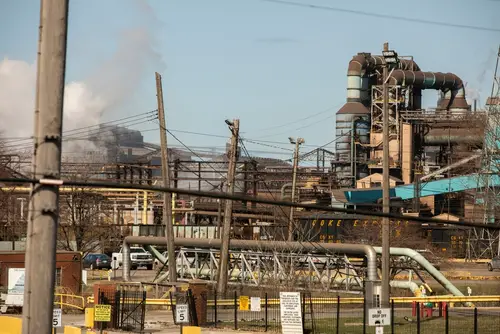
When Gary was founded in 1906 by U.S. Steel, it was designed to be a powerhouse industrial city from the very beginning. The massive Gary Works steel mill drew thousands of workers, and the population skyrocketed to more than 175,000 by 1960. With its proximity to Chicago and a booming steel industry, many expected Gary to remain a major economic center in the Midwest. For decades, it looked like a classic American success story built on heavy industry.
That promise faded as the U.S. steel industry contracted in the late 20th century. Automation and foreign competition drastically reduced the number of jobs at the mills. The city lost more than half its population as residents moved away in search of work and opportunity. Today, Gary still has industrial activity, but it never evolved into the thriving regional hub people once predicted.
3. Buffalo, New York
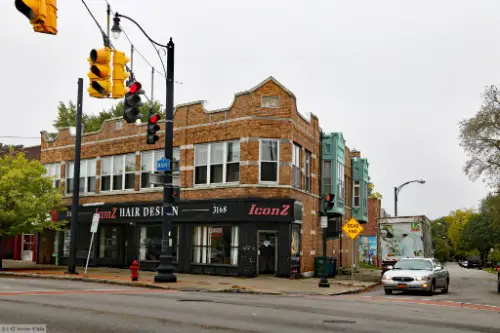
In the early 1900s, Buffalo was one of the busiest and most important cities in the United States. Its location at the eastern end of Lake Erie made it a crucial transfer point for goods moving between the Great Lakes and the Erie Canal. By 1950, it had grown to more than half a million residents and a diverse industrial economy. Many observers thought Buffalo would remain a major economic gateway for the Northeast.
Everything changed when transportation technology shifted. The opening of the St. Lawrence Seaway in 1959 allowed ships to bypass Buffalo entirely, weakening its strategic advantage. At the same time, manufacturing jobs began leaving the region. Buffalo has worked hard to reinvent itself, but it never regained the national prominence people once assumed it would have.
4. Youngstown, Ohio
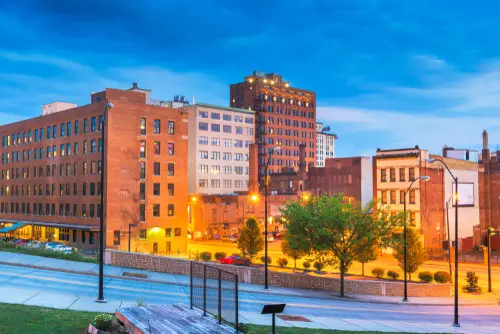
Youngstown spent much of the 20th century as a steelmaking powerhouse in the Mahoning Valley. The city’s mills produced enormous amounts of steel, and the population climbed to more than 170,000 by 1930. With steady industrial growth and strong union jobs, it seemed poised for a long future as a manufacturing center. For a while, it looked like a classic American boomtown built on heavy industry.
That future unraveled dramatically in 1977 on a day locals still call “Black Monday.” Youngstown Sheet and Tube abruptly shut down a major mill, triggering massive layoffs. Over the next few years, much of the region’s steel industry collapsed. The population fell sharply, and the city never regained its economic momentum.
5. Cleveland, Ohio
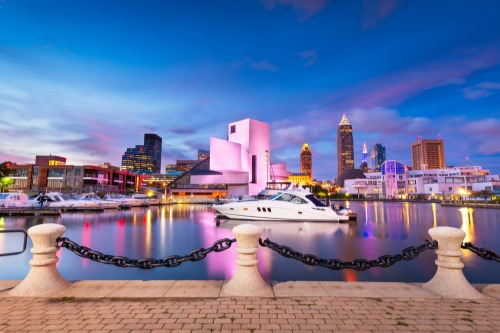
At the turn of the 20th century, Cleveland was one of the fastest-growing cities in the United States. Its strategic location on Lake Erie helped make it a center for manufacturing, shipping, and oil refining. By 1920, it had become the fifth-largest city in the country. Many civic leaders expected Cleveland to keep rising as a national powerhouse.
The city began losing ground in the late 20th century as manufacturing declined. Population loss accelerated after the 1950s, and many businesses relocated to suburbs or other regions. Cleveland also became the first major U.S. city to default on its loans during the fiscal crisis of 1978. While it remains culturally important, it never maintained the economic trajectory many once predicted.
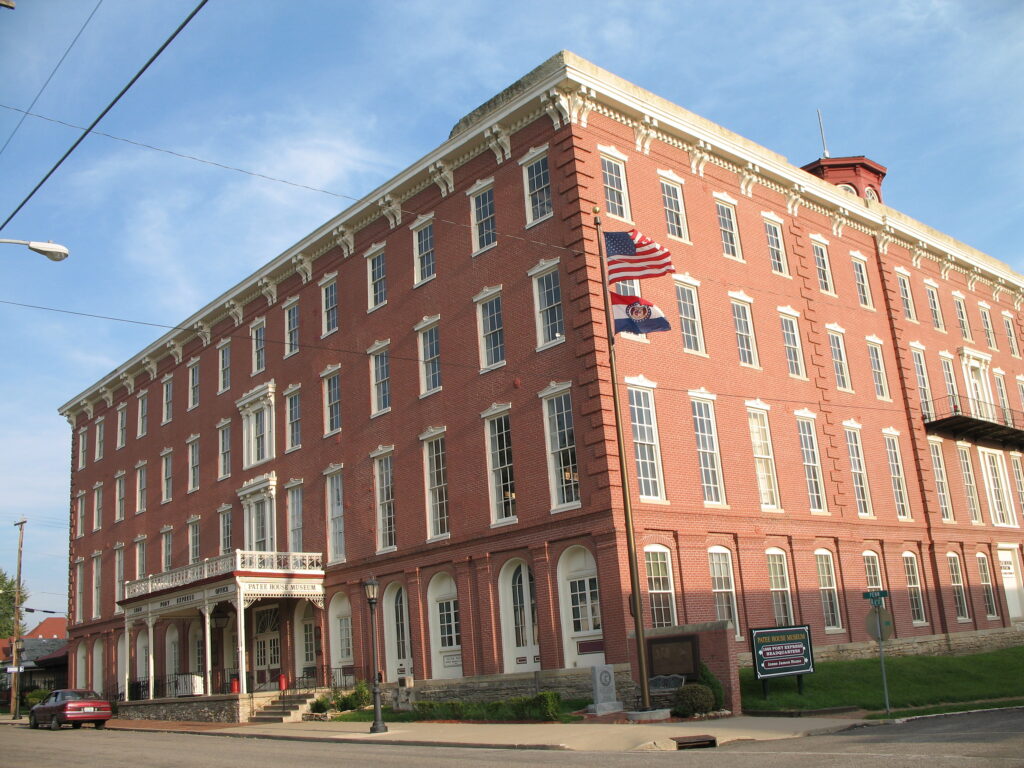
6. St. Louis, Missouri
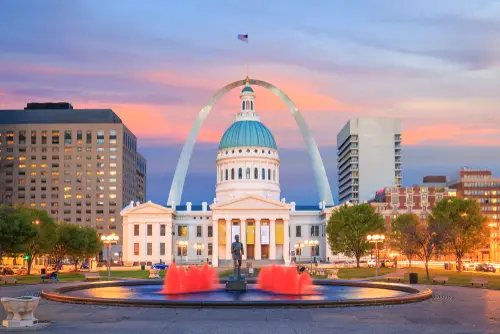
St. Louis once stood among America’s most important cities. In 1904, it hosted both the World’s Fair and the Olympic Games, showcasing its global ambitions. By 1950, more than 850,000 people lived there, and the city served as a major gateway between the eastern and western United States. Many believed it would continue growing as a central hub of commerce and transportation.
Instead, suburbanization and regional economic shifts slowed the city’s growth. The population steadily declined after the mid-20th century as residents moved to surrounding counties. Urban renewal projects and highway construction also disrupted established neighborhoods. Today the broader metro area remains significant, but the city itself never became the dominant national center some expected.
7. Newark, New Jersey
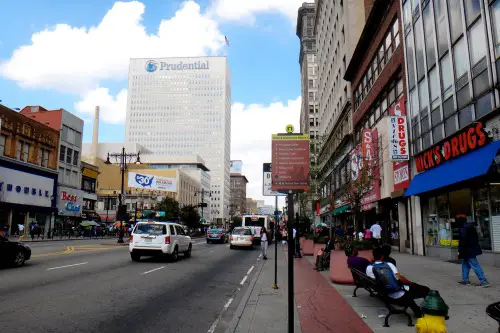
In the early 20th century, Newark was one of the most important manufacturing centers in the country. The city produced everything from leather goods to beer and jewelry, and its population surged to more than 440,000 by 1930. With its proximity to New York City and strong industrial base, many believed Newark would continue rising as a major urban hub. It seemed well positioned to share in the region’s long-term prosperity.
But the city faced major challenges after World War II. Manufacturing jobs declined, and many middle-class residents moved to suburbs across northern New Jersey. The 1967 Newark uprising also marked a turning point in public perception and investment. Although the city has made progress in redevelopment, it never fully achieved the growth trajectory people once imagined.
8. Camden, New Jersey
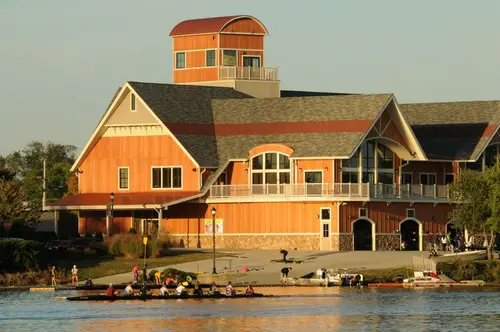
Camden once had a surprisingly strong industrial reputation. Companies like RCA Victor and the New York Shipbuilding Corporation made the city a major employer during the early and mid-20th century. The population peaked at more than 124,000 in 1950, and its waterfront location near Philadelphia gave it strategic advantages. At the time, it seemed like a city with lasting economic importance.
That momentum faded as factories closed and shipbuilding declined. Jobs disappeared quickly in the second half of the 20th century, leading to widespread economic hardship. The population fell significantly as residents moved elsewhere for opportunities. Camden has pursued redevelopment projects in recent years, but the industrial boom that once defined it never returned.
9. Scranton, Pennsylvania
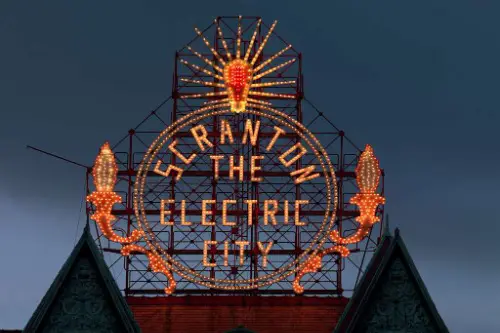
Scranton rose to prominence as a center of the anthracite coal industry. During the late 19th and early 20th centuries, its mines and railroads fueled economic growth across the region. The city’s population grew rapidly, peaking at more than 140,000 in 1930. At the time, many believed Scranton would remain a prosperous industrial hub for generations.
However, the coal industry declined sharply after World War II as energy markets changed. Mine closures led to widespread job losses and economic stagnation. The city gradually lost residents as younger generations moved elsewhere. Scranton remains culturally significant, but it never regained the economic prominence it once held.
10. Bridgeport, Connecticut
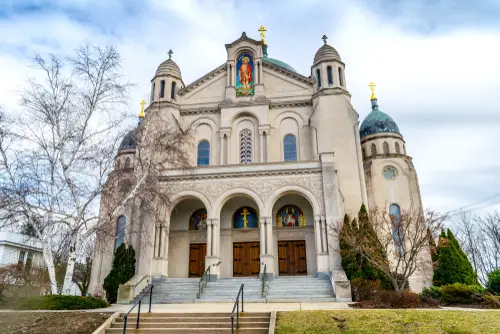
Bridgeport was once one of the most important manufacturing cities in New England. In the early 20th century, factories there produced machinery, ammunition, and consumer goods. The population climbed above 158,000 by 1950, and the city was home to major employers like Remington Arms and General Electric. Many expected Bridgeport to remain a cornerstone of the region’s industrial economy.
That outlook changed as manufacturing began moving out of the Northeast. Factory closures and job losses hit the city hard in the late 20th century. Bridgeport even filed for municipal bankruptcy protection in 1991, though the petition was later rejected by a federal judge. While redevelopment efforts continue, the city never fully realized the economic future many once predicted.
11. Birmingham, Alabama
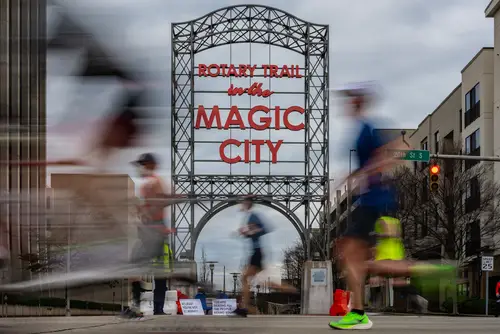
For decades, Birmingham was often called the “Pittsburgh of the South.” The region’s natural deposits of coal, iron ore, and limestone made it an ideal location for steel production. By the mid-20th century, the city had become a major industrial center with a population of more than 340,000 in 1960. Many observers believed Birmingham would continue growing as the South industrialized.
However, the steel industry faced major restructuring in the late 20th century. Plant closures and layoffs slowed the city’s economic growth and led to population decline. Birmingham eventually shifted toward healthcare, education, and finance. While it remains an important regional city, it never became the industrial giant some once envisioned.
12. Rochester, New York
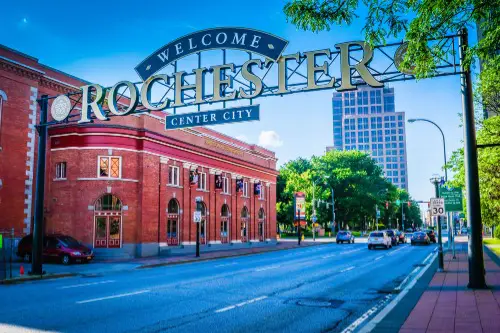
For much of the 20th century, Rochester looked like a model mid-sized American success story. Major companies like Eastman Kodak, Xerox, and Bausch + Lomb were headquartered there, creating thousands of well-paying jobs. The city’s population peaked at more than 330,000 in 1950, and its economy was driven by innovation and manufacturing. Many believed Rochester would remain a major technology and imaging center.
That confidence began fading in the late 20th century. Kodak’s decline, along with major downsizing at other companies, reshaped the local economy. The city lost population and many corporate headquarters that once defined it. Rochester still has strong universities and research activity, but it never fully sustained the growth trajectory people once expected.
This post The Cities Americans Thought Would Be the Next Big Thing—But Never Took Off was first published on American Charm.