1. San Francisco Bay Area, California
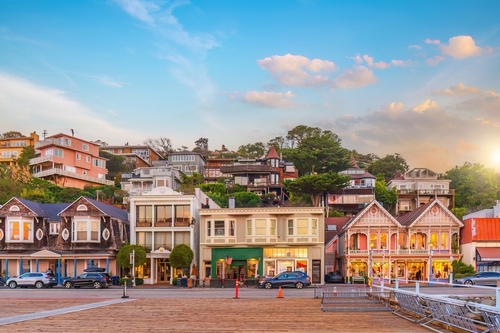
The San Francisco Bay Area symbolizes innovation, yet it has seen a pronounced resident exodus driven largely by extreme housing costs. Remote work reshaped priorities, making it harder to justify paying premium prices for dense urban living. Tech sector volatility added uncertainty for workers already stretched thin. For many households, the lifestyle math simply stopped penciling out.
Former residents often describe wanting backyards, shorter commutes, and a calmer pace. Families especially cite the challenge of long-term housing stability. As a result, many relocate to more affordable Western and Sun Belt metros. The Bay remains globally magnetic, but domestic migration tells a more cautious story.
2. Los Angeles, California

Los Angeles has been topping domestic out-migration charts for years, with more people moving out than in as housing costs have skyrocketed and traffic congestion remains notoriously brutal. Many Angelenos tell friends they’re “done” with spending half their income and half their day just to live anywhere near work. The allure of sunshine and entertainment jobs isn’t enough for folks feeling squeezed on rent and quality of life. These practical pressures have made LA less of a long-term option for families and young professionals alike.
While LA still draws tourists and international immigrants, the net domestic loss is stark, with Americans often leaving for more affordable Southern or Mountain states. Folks cite a sense of burnout from relentless costs and long commutes. You’ll hear conversations about “escaping the grind” from Silicon Beach to the Valley. And this isn’t a tiny trickle — LA’s outflow has been measured in the hundreds of thousands over recent years.
3. New York City, New York
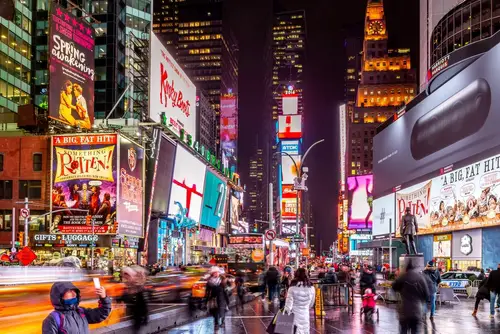
New York City remains iconic, but it consistently posts some of the highest domestic migration losses in the country as residents look for more space and affordability. Between high rents, stressful commutes, and lifestyle fatigue, many New Yorkers feel the math simply stops working. Conversations about moving often revolve around schools, quieter neighborhoods, and everyday breathing room. Even people who love the city admit it can feel financially relentless.
NYC still attracts international newcomers and young grads, which complicates the picture. But domestically, the trade-off conversation is constant: vibrant city life versus sustainable living. Many long-timers say they leave reluctantly, not because they stopped loving New York, but because they couldn’t justify staying. That tension sits at the heart of its steady outflow.
4. Chicago, Illinois

Chicago frequently appears in domestic out-migration data despite its cultural vibrancy and architectural beauty. Residents commonly cite property taxes, winter weather, and uneven economic growth as factors pushing them to reconsider. Conversations about leaving often blend practical concerns with emotional attachment to the city. It’s a place people love — but sometimes feel financially boxed in by.
Families and retirees often talk about stretching their dollars further in warmer or lower-tax states. Even loyal Chicagoans admit that affordability pressures weigh heavily over time. The result is a steady, measurable flow outward. It’s less about rejecting the city and more about recalculating long-term livability.
5. San Diego, California

San Diego’s idyllic reputation doesn’t shield it from migration losses driven by cost of living pressures. Locals often joke that paradise comes with a luxury price tag. Housing affordability remains the biggest sticking point for longtime residents. Even solid earners report feeling squeezed by everyday expenses.
Many departures stem from frustration over being priced out of neighborhoods people grew up in. Residents still love the weather and lifestyle, but question sustainability. The result is a gradual outward flow toward inland or lower-cost regions. It’s a reminder that desirability alone doesn’t guarantee retention.
6. Boston, Massachusetts

Boston’s education and innovation economy draws talent, yet housing costs frequently push residents to reconsider staying. Young professionals arrive energized but often leave after confronting long-term affordability realities. Suburban commutes and rising rents become recurring pain points. Conversations about moving tend to center on value for money.
Families cite the desire for more space and manageable housing costs. Post-pandemic lifestyle reevaluations amplified these pressures. Many residents feel Boston is fantastic — just financially demanding. That dynamic fuels a steady pattern of outward migration.
7. Denver, Colorado

Denver’s rapid growth transformed it into a lifestyle hotspot, but rising prices created new friction for residents. Housing appreciation outpaced wages, making homeownership feel increasingly distant. Traffic congestion and urban crowding added to the frustration. Longtime locals often say the city changed faster than their paychecks.
Outdoor appeal remains strong, yet affordability concerns dominate moving conversations. Many residents choose to cash out and relocate to smaller or less expensive markets. It’s a classic example of popularity creating unintended strain. Success, in Denver’s case, came with trade-offs.
8. Northern New Jersey
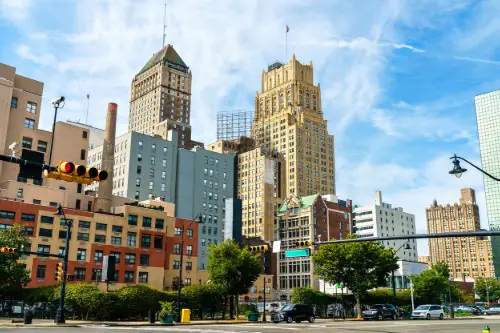
Northern New Jersey’s proximity to NYC once guaranteed appeal, but high taxes and housing costs are driving reconsideration. Residents frequently voice frustration about commuting expenses and logistical headaches. Many feel they’re paying big-city prices without big-city perks. That imbalance becomes a tipping point over time.
Families talk openly about relocating for financial breathing room. The pull of lower-tax states is especially strong. Migration patterns reflect this quiet recalculation. It’s less dramatic than a mass exodus, but steady enough to register clearly.
9. Fresno, California

Fresno often flies under the radar, yet it experiences notable out-migration tied to economic opportunity gaps. Young adults frequently cite limited career pathways as motivation to leave. While housing appears affordable, wages don’t always align comfortably. That mismatch drives upward mobility seekers elsewhere.
Residents commonly describe wanting broader professional ecosystems. Many departures center on education and job prospects. The cumulative effect shows up in migration data. It’s a story of ambition pushing people outward.
10. Bakersfield, California

Bakersfield sees steady outward movement driven by employment limitations and environmental concerns. Heat, air quality, and industrial surroundings come up often in resident discussions. Affordable housing alone doesn’t offset perceived quality-of-life trade-offs. Career mobility remains a major motivator for leaving.
Those who depart often cite access to more diverse economies. Lifestyle aspirations play an equal role. Migration trends reflect a pattern of seeking broader opportunity. Affordability isn’t always enough to anchor residents long term.
11. Long Island, New York
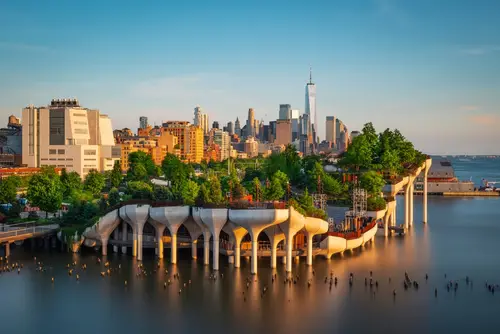
Long Island combines high property taxes with lengthy commutes, prompting many families to reassess. Residents frequently discuss the tension between suburban appeal and mounting financial pressure. Housing costs weigh heavily on multigenerational households. Even longtime locals feel stretched.
Conversations about relocating often revolve around space and affordability elsewhere. Many families seek similar lifestyles at lower cost in other states. Migration data mirrors these personal calculations. It’s a gradual shift rooted in everyday economics.
12. Seattle, Washington

Seattle’s tech boom elevated housing prices and congestion, reshaping resident priorities. Even strong earners report feeling squeezed by escalating living costs. Traffic and infrastructure strain add to urban fatigue. The city’s rapid evolution left some longtime residents feeling displaced.
Remote work expanded relocation possibilities. Many residents weigh natural beauty against affordability concerns. That calculus increasingly favors moving. Migration patterns show this quiet rebalancing.
13. Fort Lauderdale, Florida

Fort Lauderdale surprises some observers by appearing in out-migration discussions. Rising housing costs and insurance expenses have altered affordability perceptions. Climate concerns and infrastructure stress also influence decisions. Longtime residents increasingly weigh long-term resilience.
Families sometimes view the area as better suited for tourism than permanence. Economic pressures compound environmental worries. Migration reflects these layered considerations. It’s a nuanced story beneath the sunshine reputation.
14. Philadelphia, Pennsylvania

Philadelphia maintains cultural richness and relative affordability compared to nearby metros, yet still sees notable outward migration. Residents frequently cite wage growth lagging behind living expenses as a frustration. Public safety concerns also shape relocation conversations. Many households feel caught between opportunity and constraint.
Families often look to surrounding regions for space and perceived stability. Professional mobility plays a strong role in departures. Migration trends capture this balancing act. It’s a city people care about deeply, even when they ultimately choose to leave.
This post The Cities Americans Flee First—And Nobody Talks About Why was first published on American Charm.